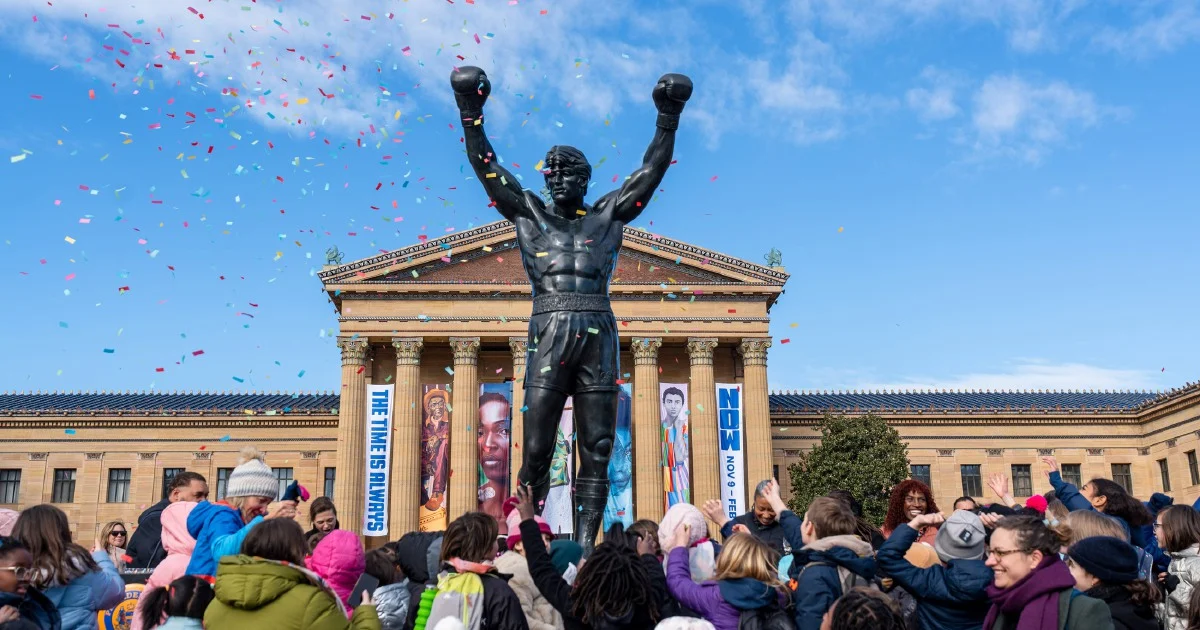
Organisers in Philadelphia have issued a formal caution to France's football supporters ahead of the World Cup, urging them to resist the temptation of adorning or handling the city's most recognisable monument—the bronze statue of fictional boxer Rocky Balboa. The warning comes after a documented pattern of sporting setbacks experienced by teams whose fans have previously decorated the sculpture with their national colours or symbols, a phenomenon that has gained attention among superstitious sports enthusiasts across multiple continents.
The Rocky statue, which depicts the iconic character from Sylvester Stallone's celebrated film franchise, stands as a cultural landmark attracting millions of visitors annually to Philadelphia. Its prominent location and instantly recognisable form have made it a natural gathering point for international visitors and sports fans attending major events in the city. However, this popularity has also made it a target for well-meaning supporters seeking to express their national pride through impromptu decorations and modifications to the statue itself.
According to reports compiled by local authorities and event organisers, the alleged curse appears to have affected multiple nations whose supporters engaged with the monument during international tournaments. The pattern suggests that teams whose fans dressed the statue in their national colours subsequently experienced disappointing performances, early eliminations, or unexpected defeats in their respective competitions. While no scientific basis exists for such superstitions, the anecdotal evidence has become sufficiently notable that officials felt compelled to issue a preemptive advisory to visiting supporters.
France's participation in the World Cup carries heightened expectations, given the nation's recent successes on the international football stage and their status as defending champions from previous tournaments. The French Football Federation and local organisers recognised that supporters from such a high-profile footballing nation would be particularly drawn to the Philadelphia landmark, making them a primary audience for the warning. The advisory essentially represents an unconventional but pragmatic approach to risk management in the realm of sports tourism and fan behaviour.
The curse narrative, whether substantive or purely coincidental, reflects a broader cultural phenomenon wherein sports fans worldwide engage in superstitious practices and beliefs. From wearing lucky jerseys to avoiding particular routes to stadiums, supporters have long attributed outcomes to factors beyond rational explanation. The Rocky statue curse represents a localised iteration of this global tendency, one that has captured sufficient imagination to warrant official acknowledgment and intervention.
Local Philadelphia authorities have expressed concerns not merely about superstition but about the practical implications of fans modifying or handling the statue. Repeated touching and dressing of the bronze sculpture can cause wear and degradation to the artwork itself, necessitating ongoing conservation efforts. Additionally, large gatherings of enthusiastic supporters attempting to access the statue simultaneously could create crowd management challenges and safety concerns during major international events.
The warning carries particular significance for Malaysian and Southeast Asian sports enthusiasts, who represent a substantial portion of World Cup viewership and increasingly participate in international sports tourism. Many fans from this region, accustomed to their own rich traditions of sports superstitions and talismanic practices, would likely resonate with and understand the cultural logic underlying such a curse narrative, even while recognising its purely folkloric nature.
For France's supporters specifically, the advisory presents an interesting psychological element as they navigate their role as favourites in the tournament. The responsibility of defending their status, combined with the explicit warning about a potential curse, creates a unique narrative context for French fans attending matches or visiting Philadelphia. Some supporters may find the whole situation amusing and harmless, whilst others might approach the Rocky statue with genuine caution born from their commitment to maximising every possible advantage, however marginal or superstitious.
The broader context of this warning also highlights how modern sporting events generate their own mythology and folklore. Despite living in an age of advanced analytics, data science, and rational sports management, international football tournaments continue to generate stories and narratives that blend superstition with genuine cultural expression. The Rocky statue curse exemplifies this peculiar intersection between contemporary global sports culture and timeless human tendencies toward superstitious thinking.
Organisers have indicated they will maintain heightened vigilance around the statue during the tournament period, with physical barriers potentially erected to prevent unauthorised access or modification. This practical measure aims to protect both the artwork and to actively enforce the warning issued to visiting supporters. The decision reflects a recognition that fan behaviour requires management during major international events, particularly when cultural beliefs and civic infrastructure intersect.
As France's supporters prepare for their World Cup campaign, they will carry not only their hopes for another trophy but also awareness of the Philadelphia statue warning. Whether the curse holds any genuine power remains a matter of personal belief, but the advisory ensures that French fans cannot claim ignorance should their team encounter difficulties during the tournament.

%22%2F%3E%3C%2Fpattern%3E%3C%2Fdefs%3E%3Crect%20width%3D%22100%25%22%20height%3D%22100%25%22%20fill%3D%22url(%23ph4w4yvg)%22%2F%3E%3Crect%20width%3D%22100%25%22%20height%3D%22100%25%22%20fill%3D%22url(%23ph4w4yvp)%22%2F%3E%3Ctext%20x%3D%2250%25%22%20y%3D%2250%25%22%20text-anchor%3D%22middle%22%20dominant-baseline%3D%22central%22%20fill%3D%22rgba(255%2C255%2C255%2C0.95)%22%20font-family%3D%22Georgia%2C%20'Times%20New%20Roman'%2C%20serif%22%20font-weight%3D%22700%22%20font-size%3D%22226%22%20letter-spacing%3D%22-0.02em%22%3EPenang%3C%2Ftext%3E%3C%2Fsvg%3E)