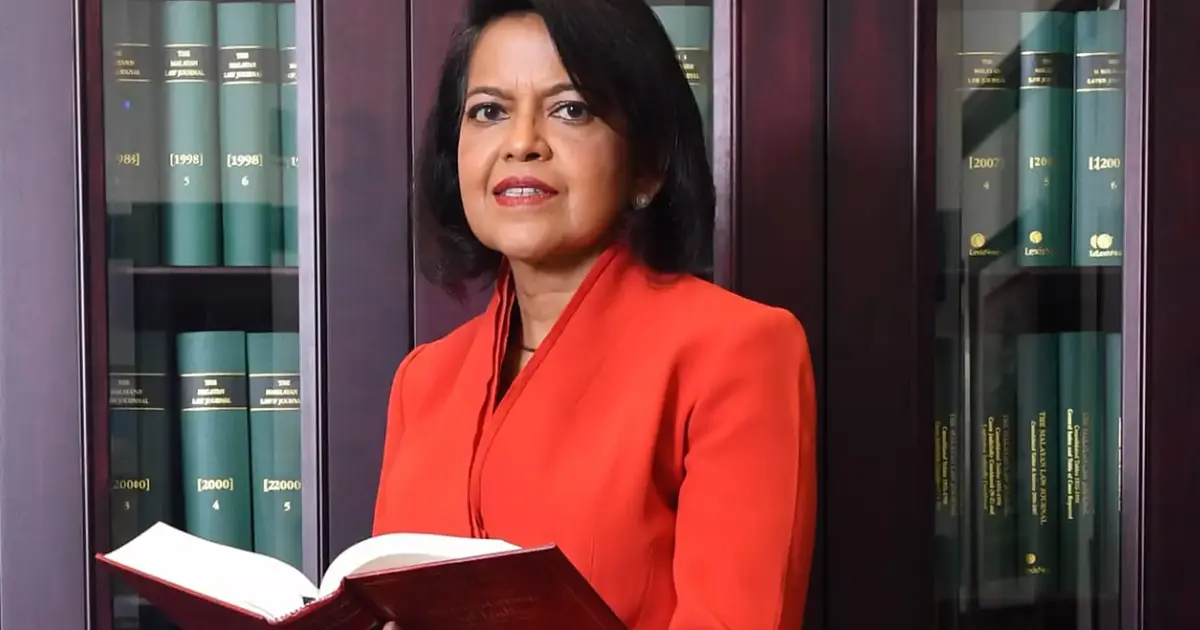
Nallini Pathmanathan, a former judge of the Federal Court, has assumed the role of chairman at the Malaysian Media Council, marking a significant leadership transition at the organisation charged with overseeing media standards and conduct across the nation. The appointment reflects the council's determination to strengthen governance and institutional credibility during a turbulent period for Malaysia's media landscape. Her judicial background brings considerable experience in constitutional matters and institutional oversight, positioning her to navigate the complex regulatory environment surrounding media operations in the country.
The timing of this appointment underscores the magnitude of challenges presently confronting Malaysia's media industry. News organisations face mounting pressures from declining advertising revenues, shifting audience consumption patterns, and the proliferation of unverified information on digital platforms. Traditional broadcasters and newspapers have seen circulation and viewership figures decline as audiences increasingly turn to social media and online news aggregators for their information. These structural transformations have forced media outlets to reassess their business models whilst maintaining editorial standards and public trust.
Pathmanathan's appointment carries particular significance given the Malaysian Media Council's expanding mandate in an era of digital transformation. The council operates as an industry self-regulatory body, establishing ethical guidelines and adjudicating complaints regarding journalistic conduct and media fairness. With digital platforms blurring the boundaries between traditional journalism and user-generated content, the council must grapple with definitional questions about which entities fall within its regulatory purview and how ethical standards apply across diverse media formats. Pathmanathan's judicial experience in constitutional interpretation may prove valuable in developing frameworks that balance press freedom with public interest protections.
The media sector in Malaysia has long navigated tensions between commercial imperatives and public service responsibilities. Ownership consolidation has reduced the number of independent editorial voices, whilst financial constraints have diminished investigative journalism capacity across the industry. These structural factors have prompted ongoing concerns about media diversity and the adequacy of checks on powerful interests. The council's ability to enforce ethical standards becomes increasingly important when market forces alone may not ensure robust accountability mechanisms. Pathmanathan's leadership will be tested by her capacity to maintain the council's credibility with both industry stakeholders and the broader public.
Regulatory relationships between media organisations and government bodies remain delicate in the Malaysian context. Media outlets operate under various statutory frameworks, including broadcasting regulations and laws governing defamation, sedition, and national security. The Malaysian Media Council, whilst independent, must coordinate with governmental agencies without compromising its self-regulatory authority. This balancing act requires astute judgment about jurisdictional boundaries and institutional relationships. Pathmanathan's background in constitutional law positions her to address jurisdictional complexities and defend the council's independence against external pressure.
Digital disruption presents perhaps the most profound challenge to traditional media business models and regulatory frameworks alike. Online news platforms operate with fundamentally different cost structures and audience engagement models than their print and broadcast predecessors. The absence of comprehensive digital media regulation creates ambiguity about which online entities should comply with the same ethical codes as traditional newsrooms. Misinformation and disinformation spread through algorithmic amplification, raising questions about media responsibility for content shared across their digital platforms. The Malaysian Media Council must develop coherent approaches to these phenomena without stifling legitimate online journalism or infringing upon individual expression rights.
The council's effectiveness ultimately depends on industry compliance and public awareness of its mechanisms for addressing grievances. Malaysian audiences vary considerably in their understanding of how the media standards system operates and what recourse mechanisms exist for addressing journalistic misconduct. Pathmanathan's appointment may provide an opportunity to enhance public engagement and transparency regarding the council's operations. Improved communication about the complaint process and disciplinary outcomes could strengthen the council's legitimacy and encourage greater participation from audience members seeking accountability for media conduct.
Investigative journalism, the practice most essential to democratic accountability, has experienced particular strain across Malaysia's media sector. Financial pressures make sustained investigative projects economically challenging for individual outlets, whilst regulatory risks discourage coverage of sensitive topics. The Malaysian Media Council's ethical frameworks should explicitly protect space for legitimate investigative reporting whilst establishing clear boundaries regarding reckless or malicious publication. Pathmanathan's mandate should encompass thoughtful interpretation of these boundaries, distinguishing between journalism that serves the public interest and coverage driven by commercial sensationalism or partisan advantage.
The appointment also arrives amid broader regional discussions about media regulation in Southeast Asia. Neighbouring countries grapple with similar questions about balancing press freedom with regulatory oversight in increasingly digital news environments. Malaysia's approach to media standards may influence thinking across the region regarding optimal structures for self-regulation. Pathmanathan's decisions regarding how the council addresses emerging challenges in digital journalism will likely receive attention from media stakeholders and policy makers beyond Malaysia's borders. Her leadership offers an opportunity to strengthen the Malaysian Media Council as a model for independent self-regulation that maintains professional standards whilst respecting editorial autonomy.
Looking forward, Pathmanathan faces substantial expectations to provide strategic direction as the Malaysian media industry navigates fundamental transition. Her priorities should encompass modernising the council's frameworks to address digital-age challenges, strengthening relationships with stakeholders across the industry, enhancing public understanding of media accountability mechanisms, and defending press freedom whilst maintaining ethical standards. The council's success ultimately depends on its capacity to demonstrate that self-regulation protects both public interest and journalistic integrity. Her judicial temperament and experience in institutional governance provide grounds for optimism that she can lead the council through this complex period with both principled judgment and practical effectiveness.


