Tab Baldwin, the former men's basketball coach at Ateneo de Manila University, reported to the Criminal Investigation and Detection Group (CIDG) headquarters in Camp Crame, Quezon City, on Friday morning for a formal interrogation. The questioning stemmed from an ongoing investigation into a tragic incident that claimed the lives of two varsity players, Rene Baterbonia and Divine Adili, who drowned during a supervised training activity held along the shoreline in Dipaculao, Aurora, in the preceding weeks. Baldwin's appearance marked a significant development in a case that has drawn considerable public attention and raised serious questions about training protocols and oversight at one of the Philippines' most prestigious educational institutions.
The questioning session commenced shortly before 8.30 in the morning. However, both Baldwin and his legal representatives maintained a complete silence when confronted by assembled members of the press corps. Additional security measures were implemented at the CIDG facility, with journalists and photographers being prevented from accessing the headquarters premises, a restriction that underscored the sensitive nature of the ongoing investigation.
This interrogation represented the second attempt by authorities to secure Baldwin's direct testimony. During the previous week, the CIDG had issued a formal subpoena commanding his appearance, yet Baldwin's legal team elected to dispatch counsel in his stead. Dissatisfied with this arrangement, the investigating unit promptly issued a supplementary subpoena, ultimately compelling Baldwin's personal attendance. The escalation in enforcement tactics reflected the police unit's determination to obtain first-hand accounts from the individual who held primary responsibility for the team's training regimen and safety protocols.
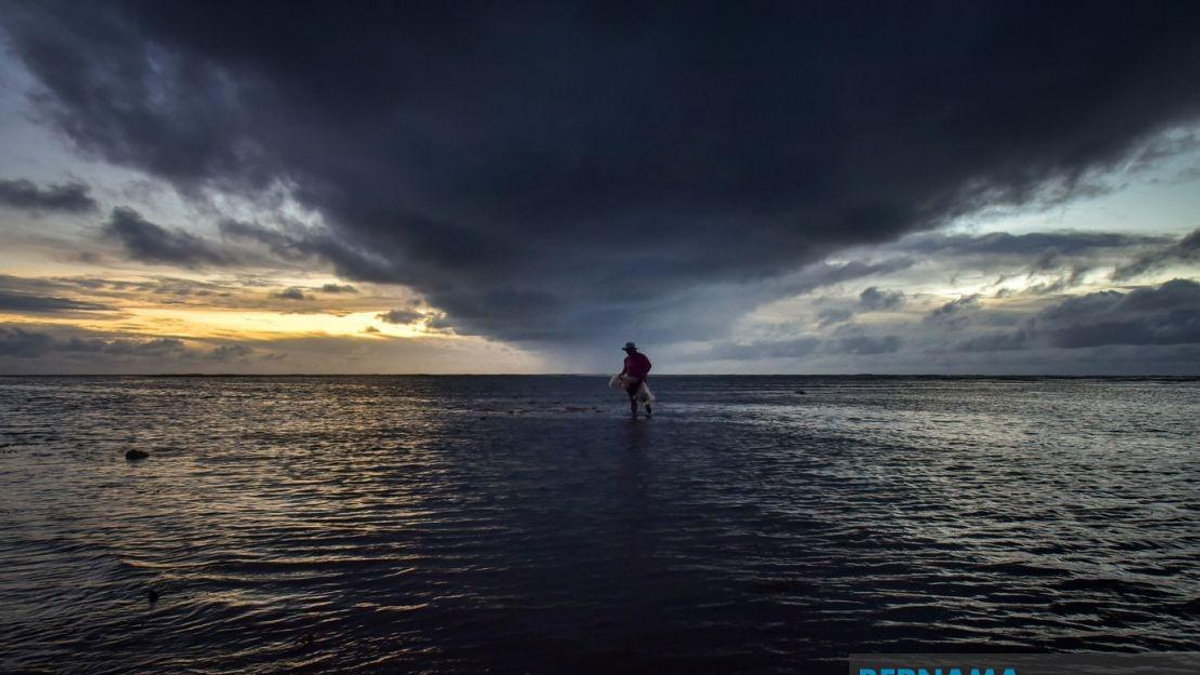
The incident itself unfolded during what was ostensibly a routine training session conducted by the basketball programme. The decision to hold the activity at a beach location in Dipaculao rather than at the university's standard facilities raised immediate concerns regarding risk assessment and the adequacy of emergency preparedness measures. The deaths of both young athletes—occurring during an activity supervised by university staff and coaching personnel—prompted an swift response from law enforcement authorities and triggered broader institutional scrutiny.
Baldwin's tenure at Ateneo concluded in the aftermath of the drowning deaths. The university announced his resignation, a decision that reflected both the gravity of the situation and the institutional pressure following the incident. His departure represented an acknowledgment of accountability within the athletics programme, though it also raised ongoing questions about the circumstances that led to the fatal tragedy and whether existing protocols had been adequately followed.
The investigation into the incident has expanded the conversation about athlete safety in Philippine universities, particularly regarding off-campus training activities and water-based exercises. The case has prompted renewed scrutiny of how educational institutions assess risks, implement safeguards, and ensure that coaching staff receive adequate training in emergency response procedures. For Malaysian observers of Philippine higher education, the situation serves as a cautionary examination of how institutional oversight can fail even at well-established universities with significant resources and professional coaching infrastructure.
The CIDG's methodical approach to the investigation—compelling direct testimony through subpoena enforcement—suggests that authorities are treating the matter as a potential criminal investigation rather than a mere accident. This investigative stance implies that preliminary findings may have revealed inadequacies in supervision, failure to follow established safety procedures, or lapses in the provision of necessary emergency equipment and trained personnel. The progression from initial reports to formal police questioning represents a escalating institutional and legal reckoning.
For the families of the deceased players and the broader Ateneo community, the interrogation of Baldwin signals that the investigative process is advancing toward potential determinations of responsibility. Whether the investigation will culminate in criminal charges, administrative findings of negligence, or recommendations for institutional reform remains uncertain. However, the visible commitment to obtaining direct testimony from the coaching staff indicates that authorities are moving beyond preliminary fact-gathering toward a more consequential phase of the inquiry.
The case has generated significant discussion in Philippine media and among university administrators regarding the regulation of athletic training practices. The drownings have prompted broader reflection on whether existing safety frameworks adequately protect student-athletes, particularly during activities conducted away from institutional grounds where immediate access to emergency services may be compromised. Regional universities across Southeast Asia may similarly experience heightened scrutiny of their athletic training protocols, particularly following this high-profile incident involving young athletes at a prominent institution.