The Federal Bureau of Investigation has successfully disrupted an alleged multi-stage terror plot targeting the UFC America 250 event held at the White House on Sunday, marking President Donald Trump's 80th birthday and the United States' 250th anniversary. FBI Director Kash Patel disclosed the foiled attack in a statement on social media on Tuesday, confirming that law enforcement had taken multiple individuals into custody after detecting the threat on June 10.
The scale and sophistication of the alleged conspiracy have shocked security officials in Washington. According to law enforcement sources, the plot involved at least five people already in custody, with investigators identifying 23 others as part of a broader network of suspected collaborators. The comprehensive nature of the investigation reveals a coordination that extends well beyond the immediate Washington, D.C. area, as authorities note that some suspects originated from outside the National Capital Region.
The alleged attack plan featured a troubling tactical design aimed at creating maximum chaos and casualties. Officials speaking to Fox News revealed that plotters intended to deploy explosive-laden drones to strike buildings adjacent to the event venue, a method that reflects evolving tactics seen among extremist groups. The initial drone strikes were meant to trigger a mass evacuation, herding crowds toward a predetermined location where a sniper team would be positioned to inflict further casualties. This two-phase approach demonstrates the level of coordination and planning that went into the conspiracy.
According to law enforcement assessments, the alleged plot included a "second wave" designed to capitalize on the chaos created by the initial assault. Sources indicate that perpetrators aimed to storm the White House gate during the confusion, potentially targeting the president himself or attempting to cause additional damage and loss of life. The complexity of this scheme suggests that participants had been planning the operation for a considerable period, conducting reconnaissance and coordinating across multiple states.
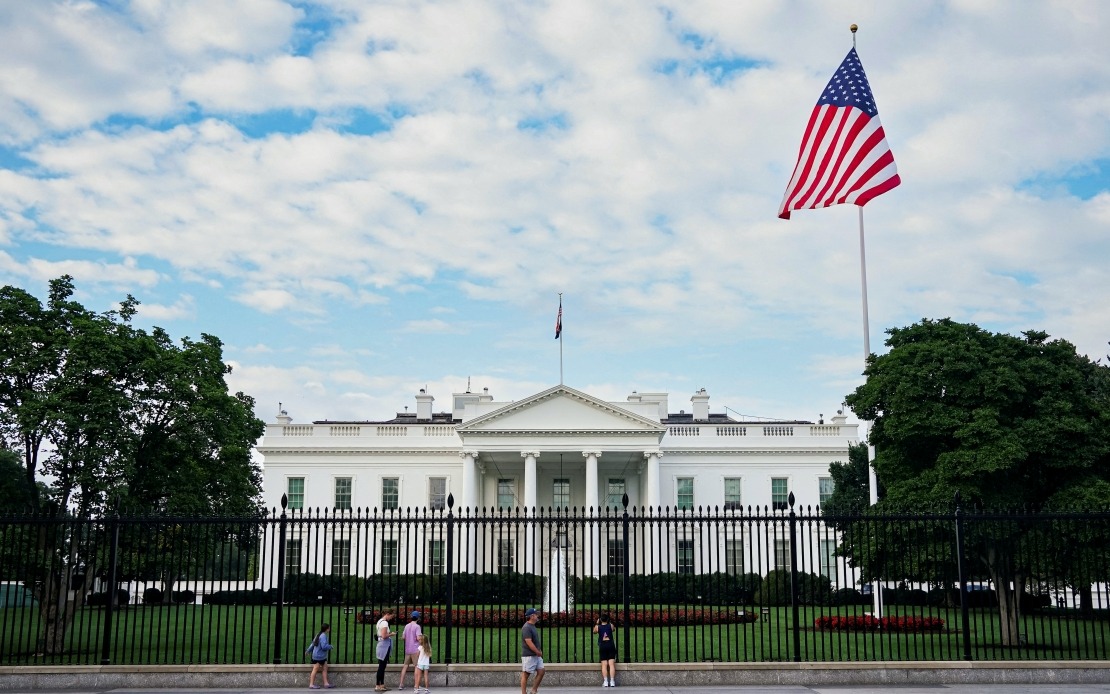
Despite security concerns, the UFC event proceeded as scheduled, drawing approximately 4,000 spectators to the South Lawn of the White House for what organizers billed as a historic occasion. The event had already weathered legal challenges in the lead-up to Sunday, with two Virginia residents filing suit to prevent the cage-fighting competition from taking place on the presidential residence. However, on Friday, a federal judge in the US District Court for the District of Columbia rejected the injunction request, allowing the unprecedented matchup to move forward without legal interference.
The foiled attack represents a significant escalation in what security analysts view as a troubling pattern of political violence in the United States. This incident adds to a growing list of serious security breaches and assassination attempts targeting senior government officials and protected events. In April, just weeks before the UFC event, an armed man carrying firearms and knives penetrated security at the White House Correspondents' Dinner, subsequently facing federal charges related to an alleged assassination plot against the president. That incident alone demonstrated vulnerabilities in perimeter security at major Washington events.
For Malaysian and Southeast Asian observers, the foiled plot underscores the transnational nature of security threats in the modern era and the importance of intelligence sharing among law enforcement agencies. The FBI's ability to detect the conspiracy relatively early, by June 10, suggests that either human intelligence from within the suspected network or signals intelligence provided crucial warnings. This achievement highlights why regional cooperation mechanisms such as the Five Power Defence Arrangements and bilateral intelligence agreements remain vital for maintaining security across the Asia-Pacific region.
The incident also reflects broader concerns about domestic extremism in the United States, a phenomenon that has gained prominence in recent years. The identification of 23 individuals connected to the alleged plot suggests that recruitment and radicalization may be occurring through online platforms or offline networks with sufficient sophistication to plan coordinated attacks. Security experts worry that the tactics employed—drone strikes combined with traditional firearms—represent a dangerous convergence of new and conventional weapons that could be replicated elsewhere.
The successful prevention of the attack demonstrates the value of enhanced security protocols for high-profile events, particularly those involving the president or other government leaders. However, the sheer number of plotters identified raises uncomfortable questions about how effectively authorities can monitor and prevent attacks when conspiracies expand beyond small cells to include dozens of individuals. Law enforcement officials face an ongoing challenge in balancing surveillance capabilities with privacy concerns, a tension that becomes more acute as the scale of detected conspiracies grows.
Moving forward, the case will likely influence security planning for future major events in Washington, particularly those held on the White House grounds. The FBI's success in interdicting this particular plot provides some reassurance that intelligence agencies and law enforcement partnerships remain effective at detecting serious threats. However, the complexity and scope of the alleged conspiracy will undoubtedly prompt security reviews and potentially more restrictive access protocols for public events at sensitive government locations.
The incident serves as a stark reminder that political violence remains an active concern despite America's advanced security infrastructure and surveillance capabilities. For policymakers and security professionals across Southeast Asia, the case illustrates the importance of information sharing, cross-border cooperation, and early detection systems that can identify conspiracy networks before they move to operational stages. As extremism continues to evolve globally, the techniques used by American law enforcement to dismantle such networks offer lessons for regional security agencies seeking to protect their own governments and citizens from similar threats.