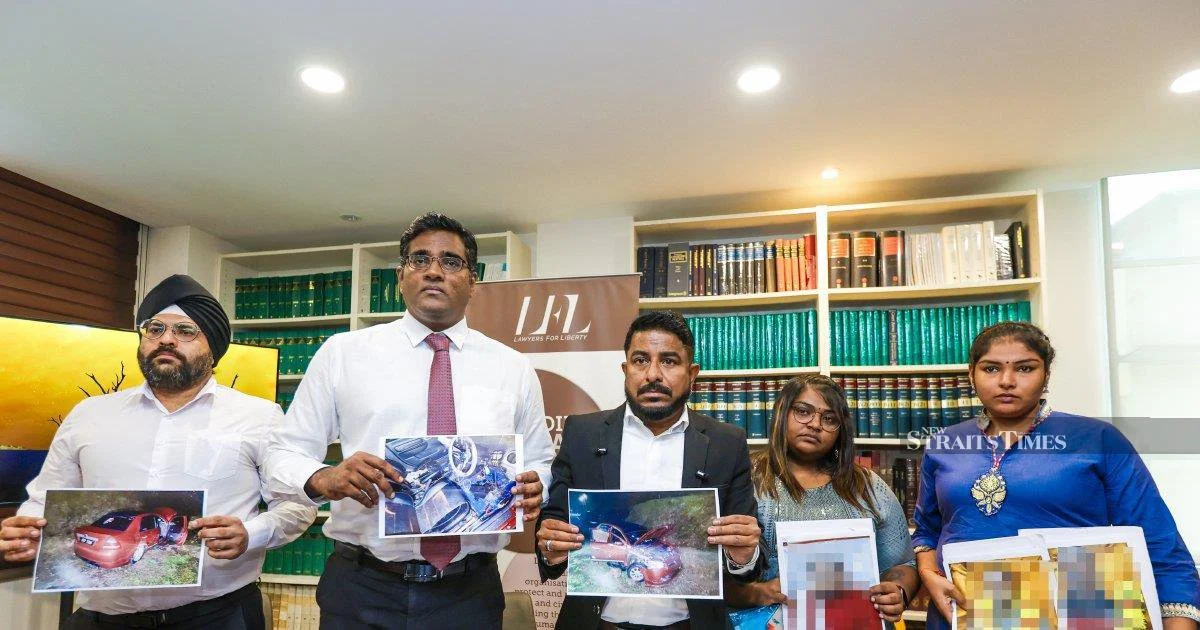
Relatives of three men killed during a police operation in Durian Tunggal, Melaka, on November 24 are demanding that the Malaysian Anti-Corruption Commission launch a formal investigation into the law enforcement officers involved in the shooting. The move signals growing family concerns about potential misconduct or procedural irregularities in the incident that claimed three lives.
The families' call for MACC involvement reflects a broader pattern in Malaysia whereby high-profile police operations resulting in deaths face scrutiny from anti-corruption authorities. The MACC, while primarily tasked with investigating corruption, has in recent years expanded its purview to examine potential abuses of power and misconduct by public officials, which can encompass police conduct during armed encounters.
The November 24 incident in Durian Tunggal marks another chapter in Malaysia's ongoing challenges with policing accountability and the use of lethal force. Families of victims often turn to independent investigative bodies when they harbour doubts about the official narrative or believe that internal police investigations may lack impartiality. In this case, the three families have collectively escalated their demands to the nation's apex anti-corruption body.
Malaysia's law enforcement agencies face mounting pressure to demonstrate transparency and accountability, particularly following several high-profile shootings that have raised questions about proportionality and necessity in the deployment of firearms. Public confidence in police investigations into their own officers remains fragile, driving relatives of deceased victims to seek external oversight.
The decision to involve MACC signals the families' belief that potential systemic issues or irregular conduct may underlie the police operation. Under Malaysian law and MACC protocols, such investigations can examine whether officials acted within their authority, whether proper procedures were followed, and whether any personal interests or improper motives influenced operational decisions.
Durian Tunggal, a town in Melaka, has not been previously prominent in national crime reporting, making the November 24 shooting an unusual and significant incident for the locality. The circumstances that led to the police engagement and the decision to use fatal force remain subjects of inquiry, with the families clearly unsatisfied with preliminary explanations or internal police findings.
The three-victim toll from a single police operation represents a substantial loss of life and has generated considerable concern among the families and, potentially, within Melaka communities. The involvement of multiple fatalities strengthens the case for independent external review, as stakes are correspondingly elevated when multiple family units are affected by a single law enforcement action.
Malaysia's police force, formally the Royal Malaysian Police, has been subject to increasing scrutiny over training standards, rules of engagement, and the selection criteria for authorising armed operations. While police maintain that their officers operate within legal frameworks and international standards, independent oversight bodies like MACC provide an additional layer of institutional accountability that can reassure the public and bereaved families alike.
The MACC's potential involvement could shed light on whether due diligence and procedural safeguards were observed before, during, and after the shooting. Investigations might examine operational authorisation, intelligence gathering, threat assessment, alternative response options, and the shooting sequence itself. Such granular examination often yields insights that standard police inquiries may not uncover, particularly when there are questions about institutional impartiality.
For Malaysian readers, this case underscores the delicate balance law enforcement agencies must strike between operational effectiveness and respect for human life. The families' decision to escalate to MACC reflects a conviction that outside expertise and independence are necessary to establish whether the Durian Tunggal operation met acceptable standards.
Regionally, Malaysia's approach to police accountability and the role of anti-corruption agencies in examining potential misconduct by security forces carry lessons for other Southeast Asian nations grappling with similar governance challenges. The precedent set by involving MACC in this matter may influence how future police-involved fatalities are investigated across the region.
The coming weeks will reveal whether MACC accepts the families' petition and launches a formal inquiry. If it does, such an investigation could become a landmark case in establishing clearer standards for police use of lethal force and the mechanisms available to families seeking justice and transparency. The outcome may ultimately shape future expectations for how bereaved relatives interact with state institutions when confronted with loss resulting from police operations.