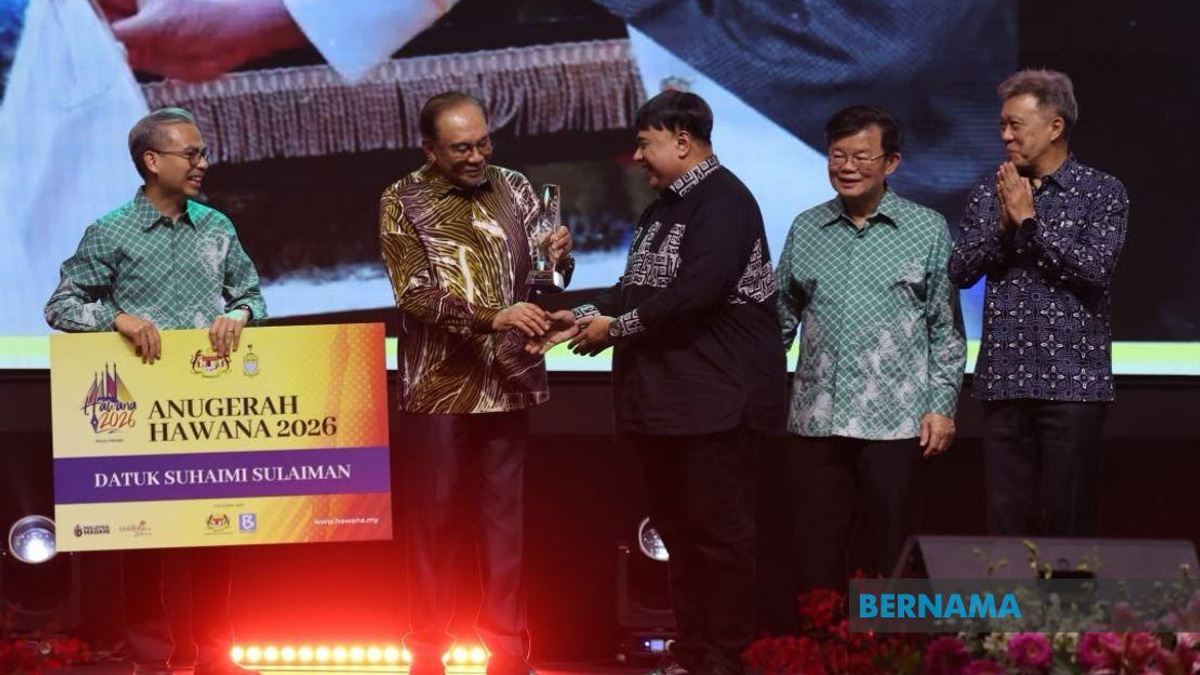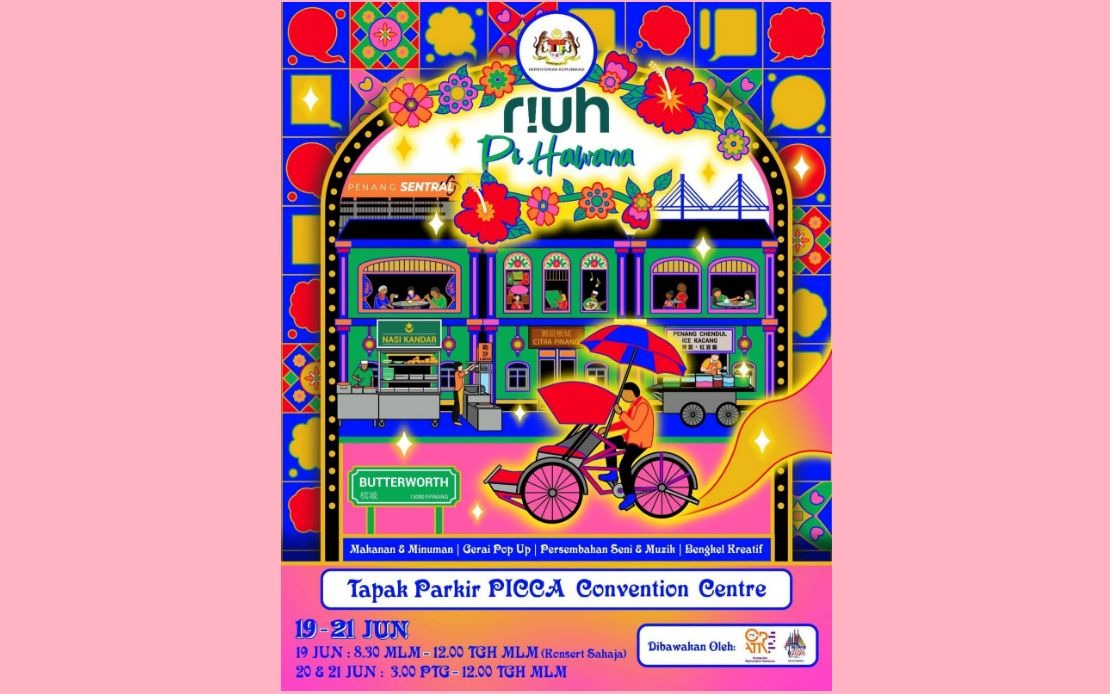
The northern Malaysian state of Penang is gearing up for a major cultural celebration this weekend as three prominent Malaysian bands prepare to take the stage at the RIUH Pi HAWANA Carnival, running from June 19 to 21 at the PICCA Convention Centre Parking Lot in Butterworth. The event marks a fusion of entertainment and professional recognition, occurring alongside the HAWANA 2026 Summit organised by the Ministry of Communications to honour media practitioners across the country.
Organised by MyCreative Ventures, the carnival represents an ambitious attempt to blend high-calibre musical performances with grassroots cultural engagement. The event comes at a significant moment for Malaysia's media sector, with Prime Minister Datuk Seri Anwar Ibrahim scheduled to officiate the accompanying HAWANA 2026 Summit on June 20, an occasion expected to draw approximately 1,000 media professionals from Malaysia and international locations. This convergence of entertainment and industry recognition underscores how Malaysia is increasingly positioning cultural events as platforms for broader institutional dialogue.
Headlining performers will rotate across the three evenings, with Exists opening the musical programme on Friday, Bunkface taking centre stage on Saturday, and Masdo providing the closing act on Sunday. The staggered approach allows each group to command full attention while maintaining momentum throughout the weekend. Beyond these established acts, the carnival will feature a carefully curated selection of emerging and mid-tier local talents including Chelsea Ng, Sakura Band, Fugo, Saint Kylo, Lucidrari and Budak Nakal Hujung Simpang, creating space for artists at different career stages to reach audiences in a professional setting.
Scheduling accommodates both evening revellers and daytime visitors. Friday's events commence at 8:30 pm and run until midnight, reflecting the typical patterns of weekend entertainment seeking to capture audiences after working hours. Saturday and Sunday programming extends the window considerably, opening from 3 pm onwards and running through to midnight, allowing families and casual visitors greater flexibility to attend. This extended timeframe positions the carnival as a destination event rather than a niche evening attraction, potentially broadening its appeal across demographic groups.
Organisers project attendance of approximately 30,000 visitors across the three-day period, a figure that would represent substantial foot traffic for Penang's event infrastructure. The carnival's structure extends well beyond musical performance, incorporating food and beverage vendors alongside commercial spaces for local brands. This ecosystem approach mirrors successful festival models elsewhere in Southeast Asia, where live entertainment serves as the anchor drawing crowds who then engage with complementary commercial and cultural offerings.
The workshop programme reveals particular attention to Penang's distinctive cultural heritage. Offerings span contemporary creative techniques including cyanotype printmaking and silver lumen photography, positioned alongside traditional cultural practices such as stone seal carving, zine-making workshops, Nyonya beading experiences and Boria heritage exploration. This deliberate pairing acknowledges how regional identity in Penang is constructed through both preservation of inherited traditions and engagement with contemporary artistic expression. For visitors, the workshops provide interactive entry points into cultural participation rather than passive consumption of performances.
The Nyonya beading experiences and Boria heritage activities hold particular significance for Malaysian audiences, as they represent aspects of Penang's multicultural fabric that international tourism often emphasises but local engagement sometimes overlooks. By integrating these elements into a mainstream entertainment event, organisers create opportunities for residents and visitors alike to deepen understanding of how cultural traditions continue evolving within contemporary contexts. The inclusion signals recognition that cultural tourism and cultural education need not be separate tracks.
HAWANA 2026 itself carries thematic weight through its banner "Media Integrity strengthens Credibility," a framing that positions journalistic professionalism as foundational to public trust. The summit's timing alongside entertainment programming creates an interesting juxtaposition: serious industry dialogue occurs adjacent to populist cultural celebration. This proximity may generate unusual conversations about media's role in cultural reporting and representation, particularly as practitioners spend time in Penang engaging with local creative communities.
For Southeast Asian observers, the Penang carnival demonstrates how Malaysian cities are experimenting with event formats that integrate entertainment, cultural preservation, professional networking and community engagement within single frameworks. The model suggests shifting expectations about what cultural events should accomplish, moving beyond discrete categories toward multifunctional occasions serving varied stakeholder interests simultaneously.
The carnival's location in Butterworth, a historically significant port area that has evolved into a commercial and transport hub, adds another layer. Positioning major cultural programming in this northern region reflects deliberate geographic distribution of entertainment infrastructure, potentially addressing historical concentrations of such events in Kuala Lumpur. For Penang residents, the carnival represents recognition of the state's cultural and creative economy as worthy of major investment and promotion.