Education Minister Fadhlina Sidek has called on Malaysians to extend compassion and respect the delicate circumstances surrounding the family of a 16-year-old female student who passed away at a school in Negeri Sembilan on June 19. The tragic incident has prompted immediate attention from Malaysia's education leadership, with authorities emphasising the need for sensitive handling as investigations unfold.
The death has triggered a formal police inquiry, with the Education Ministry pledging complete cooperation with law enforcement officials overseeing the case. This collaborative approach reflects the gravity with which the authorities are treating the matter, recognising both the need for thorough investigation and the importance of supporting those directly affected by the loss.
In her public statement released through Facebook, Fadhlina expressed profound condolences to the deceased student and extended spiritual sentiments consistent with Islamic faith traditions observed in Malaysia. Her remarks underscored the ministry's recognition of the family's acute grief during this period of profound loss, framing the situation as a test of resilience and spiritual fortitude for all involved.
The minister's emphasis on providing comprehensive support reflects institutional awareness of the broader impact such incidents carry beyond the immediate family circle. Educational communities are inherently interconnected ecosystems where students, staff, and families share spaces and relationships, meaning the ripple effects of such tragedies extend throughout school environments. By prioritising assistance across all affected parties, the ministry acknowledges this interconnectedness.
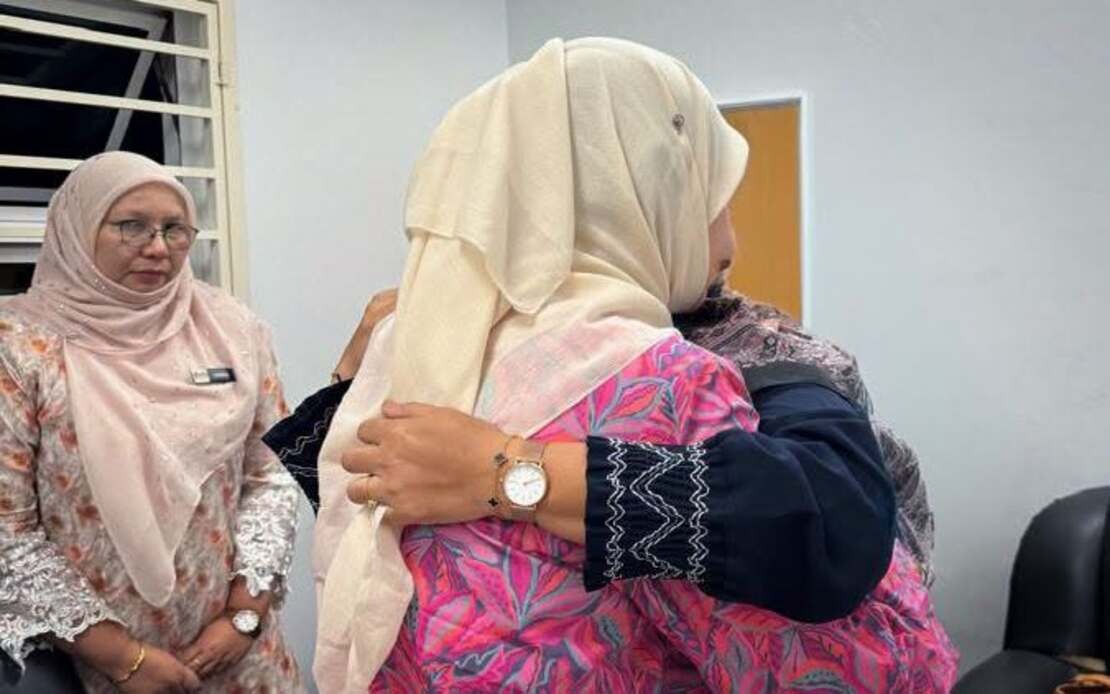
Fadhlina, accompanied by Education director-general Datuk Dr Mohd Azam Ahmad, undertook a direct visit to the family at Rembau Hospital to offer in-person support and witness firsthand the circumstances surrounding the incident. This hands-on approach signals ministerial commitment to understanding the situation comprehensively rather than managing it purely through bureaucratic channels or public statements alone.
The decision to visit the hospitalised family demonstrates a leadership style that emphasises human connection and direct accountability during crises. Rather than delegating condolences entirely to subordinate officials, the Education Minister's presence conveyed institutional recognition of the severity and human dimension of the tragedy. Such gestures carry symbolic weight in Malaysian culture, where personal engagement from senior officials is often interpreted as genuine concern rather than mere procedural obligation.
The appeal for public space and restraint gains particular importance in contemporary Malaysia, where tragic incidents at schools frequently trigger intense media scrutiny and social media commentary. The minister's request reflects awareness that unfiltered public discourse, while often well-intentioned, can compound trauma for grieving families already navigating shock and bereavement during an investigation phase. Premature speculation or invasive coverage can obstruct both investigative processes and families' capacity to process loss privately.
For Malaysian schools and education stakeholders, such incidents underscore the critical importance of robust pastoral care infrastructure and mental health support systems within educational institutions. The presence of comprehensive counselling services, trained crisis response teams, and established protocols for handling student welfare emergencies becomes not merely administrative requirement but essential safeguarding mechanism. Schools operating without adequate support infrastructure face heightened risks of inadequate response when tragedies occur.
The ongoing investigation will likely surface important details regarding the circumstances of the student's death, potentially informing subsequent policy discussions around school safety, student mental health provision, and institutional accountability mechanisms. Malaysian education policymakers have increasingly recognised that investing in preventative frameworks and early intervention systems can substantially mitigate risks and protect vulnerable young people navigating the pressures inherent in contemporary secondary education.
For regional observers, this incident reflects a broader challenge confronting education systems throughout Southeast Asia, where rapid institutional expansion has sometimes outpaced corresponding investment in student welfare infrastructure. Schools managing larger student populations with limited counselling resources face compounded pressure to identify and support students experiencing psychological distress or crisis situations before tragedy occurs.
The Education Ministry's response demonstrates institutional capacity to mobilise leadership resources and coordinate supportive action during emergencies. However, sustaining such responsiveness across Malaysia's extensive school network requires systematic investment in training frontline educators, establishing preventative frameworks, and ensuring equitable access to mental health services across urban and rural communities alike.
As investigations progress, the experiences of students and staff directly connected to the deceased will require careful pastoral attention extending well beyond immediate crisis response. Schools have increasingly recognised that trauma impacts educational environments durably, necessitating sustained counselling support that addresses not only acute grief but also longer-term psychological wellbeing of those resuming school routines following such tragedies.


