%22%2F%3E%3C%2Fpattern%3E%3C%2Fdefs%3E%3Crect%20width%3D%22100%25%22%20height%3D%22100%25%22%20fill%3D%22url(%23ph3tt8dg)%22%2F%3E%3Crect%20width%3D%22100%25%22%20height%3D%22100%25%22%20fill%3D%22url(%23ph3tt8dp)%22%2F%3E%3Ctext%20x%3D%2250%25%22%20y%3D%2250%25%22%20text-anchor%3D%22middle%22%20dominant-baseline%3D%22central%22%20fill%3D%22rgba(255%2C255%2C255%2C0.95)%22%20font-family%3D%22Georgia%2C%20'Times%20New%20Roman'%2C%20serif%22%20font-weight%3D%22700%22%20font-size%3D%22226%22%20letter-spacing%3D%22-0.02em%22%3EDiesel%3C%2Ftext%3E%3C%2Fsvg%3E)
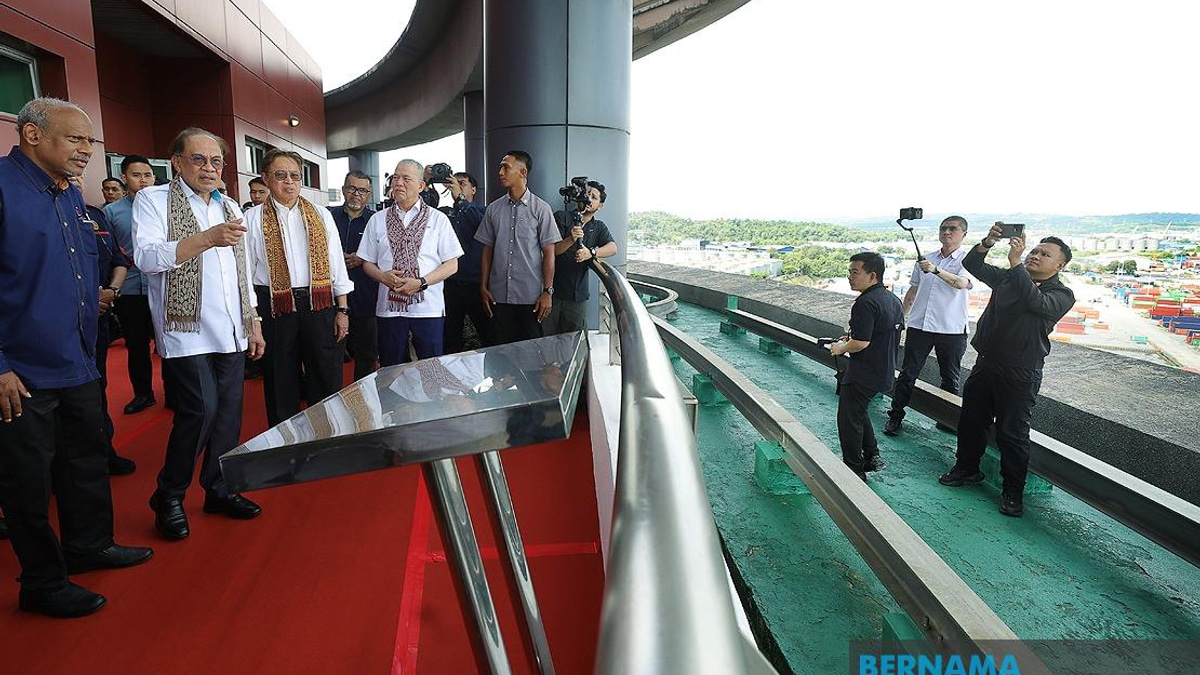
The Malaysian government's decision to lower subsidised diesel prices to RM2.10 per litre starting July 2026 marks a significant move to ease the financial burden on workers and small business operators across the country. Prime Minister Datuk Seri Anwar Ibrahim unveiled the policy today, framing it as part of the MADANI Government's broader initiative to provide targeted relief to Malaysian citizens while maintaining fiscal responsibility. The new pricing structure will mirror the approach already established under the BUDI MADANI RON95 subsidy programme, with eligibility verified through MyKad authentication at petrol stations nationwide.
The announcement addresses a long-standing disparity in fuel costs across Malaysia's regions. Currently, diesel retails at RM2.15 per litre in Sabah, Sarawak, and Labuan—regions that have historically enjoyed lower subsidised prices—while unsubsidised diesel in Peninsular Malaysia costs RM4.37 per litre. By implementing a unified pricing mechanism across all regions, the government aims to create equitable access to fuel subsidies for all Malaysian citizens, regardless of their geographic location. This standardisation represents a shift toward more consistent economic policy across the country's different jurisdictions.
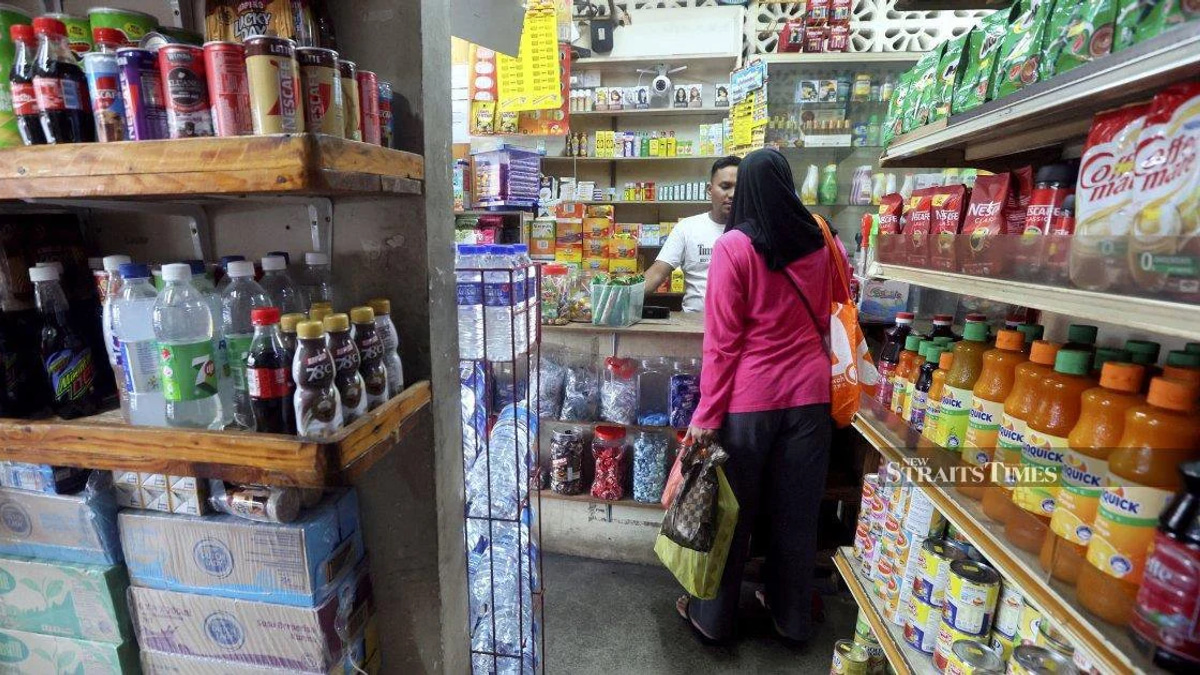
For traders and service providers operating on tight margins, the price reduction translates into meaningful operational savings. Mohd Faizal Ahmad, a 43-year-old night market trader from Shah Alam in Selangor, views the measure as a practical relief that will allow him to allocate resources more effectively to other aspects of his business. He expressed particular optimism about the MyKad verification system, hoping that the implementation process will be straightforward and free from administrative delays that could complicate access to the subsidy. His perspective reflects the concerns of many small-scale operators who worry that complex verification procedures might undermine the intended benefits of price reductions.
Small contractors and service businesses that rely heavily on fuel costs will likely experience notable improvements to their bottom lines. Tan Chee Keong, a 52-year-old contractor from Johor Bahru who operates a four-wheel drive vehicle for maintenance and construction material deliveries, characterised the policy as both positive and fairer than previous arrangements. He emphasised that controlling subsidy abuse remains crucial to ensure the measure achieves its intended purpose of supporting genuine users. His comments highlight the broader concern within the business community that targeted subsidies only work effectively when systems are in place to prevent misuse, whether through resale or unauthorised consumption.
The agricultural and transport sectors stand to benefit significantly from the lower diesel costs. Vegetable farm operators and logistics providers, who consume substantial quantities of fuel for daily operations, face some of the highest exposure to fuel price fluctuations. R. Mageswaran, a 38-year-old vegetable farm operator from Sungai Siput in Perak, explained that his daily reliance on van transportation to supply markets and food establishments makes fuel costs a critical component of his operating budget. When diesel prices decrease, the cascading effect ripples through his entire business model, potentially allowing him to maintain competitiveness while protecting profit margins. This sector's success is particularly important for Malaysia's food security and rural economic development.
The implementation timeline extends to July 2026, providing the government and relevant agencies several months to establish the necessary administrative infrastructure. Second Finance Minister Datuk Seri Amir Hamzah Azizan is scheduled to announce detailed implementation procedures in the coming days, which will be crucial for stakeholders planning their operations around the new pricing framework. These procedural details will likely address questions about verification timelines, petrol station readiness, and potential transitional arrangements during the shift from current pricing mechanisms.
The Ministry of Finance's emphasis on nationwide uniformity signals a commitment to reducing regional inequities that have historically characterised Malaysia's fuel subsidy system. By ensuring that all states and federal territories—including the more distant regions of Sabah, Sarawak, and Labuan—receive the same subsidised rate and access the same verification mechanism, the government creates a more transparent and consistent policy framework. This approach theoretically simplifies administration while demonstrating equal treatment across Malaysia's diverse geographic and economic landscape.
From a macroeconomic perspective, this policy decision reflects the government's attempt to balance fiscal sustainability with the need to support cost-sensitive sectors of the economy. Small and medium-sized enterprises, particularly those in logistics, agriculture, and services, form the backbone of Malaysia's economy and employment landscape. By reducing their operational costs through targeted fuel subsidies, the government aims to preserve competitiveness, maintain employment levels, and prevent price inflation in downstream consumer goods and services. The restriction of subsidies to Malaysian citizens through MyKad verification also addresses concerns about subsidy leakage and cross-border smuggling that have plagued previous fuel subsidy programmes.
The policy's effectiveness will largely depend on the execution quality of the MyKad verification system and the government's ability to prevent subsidy abuse. International experience with targeted fuel subsidies demonstrates that administrative overhead and verification costs can become significant, potentially undermining the intended benefits. Malaysia's approach of leveraging its existing digital identification infrastructure through MyKad represents a more sophisticated methodology than previous subsidies that operated on supply-side controls alone. However, the system will require robust monitoring and periodic review to ensure it continues serving its intended beneficiary groups without creating new forms of inequality or access problems.
Small business operators responding to the announcement have expressed both enthusiasm and cautious pragmatism. Their concerns about procedural complexity reveal an important consideration: subsidies only provide genuine relief when the mechanics of accessing them do not impose burdensome administrative costs or time expenditure. The government's commitment to ensuring a simple and convenient MyKad verification process will be tested once implementation begins. Success will be measured not just by the headline reduction in diesel prices, but by how seamlessly Malaysian workers and small business owners can access these benefits without disruption to their daily operations.
Looking ahead, this reform signals the MADANI Government's broader approach to fiscal policy that prioritises targeted assistance over universal subsidies. This philosophy reflects growing recognition that blanket fuel subsidies can be economically inefficient and prone to abuse, while targeted subsidies—when well-administered—can deliver relief to those who genuinely need it while managing government expenditure more effectively. The July 2026 implementation timeline provides a window for public feedback and potential adjustments to implementation processes, allowing policymakers to refine the system before full rollout. For Malaysian workers and small businesses dependent on diesel for their livelihoods, this announcement represents a concrete acknowledgment of their economic challenges and a commitment to institutional support.