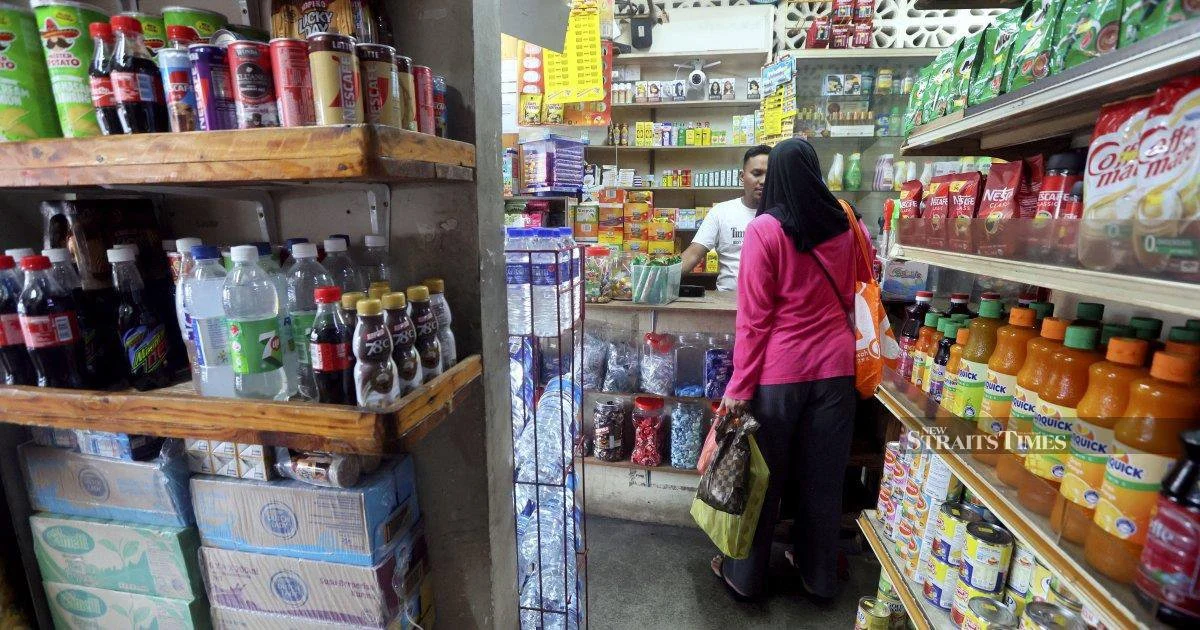
Malaysia faces a contradictory inflation picture heading into coming quarters: immediate price pressures appear manageable, yet deeper structural vulnerabilities could quickly destabilise consumer costs and business planning if external conditions shift sharply. This duality reflects the country's exposure to forces largely beyond its control, even as policymakers maintain near-term price discipline.
The immediate outlook for inflation in Malaysia suggests restraint. Domestic demand remains modest, helping to anchor price growth at levels compatible with the central bank's implicit comfort zone. Import prices have stabilised compared to the volatile pandemic aftermath, and supply-chain disruptions that plagued global trade have largely unwound. These favourable conditions mean Malaysian households and businesses can expect relative predictability in coming months, allowing them to plan investments and consumption with greater confidence than they could a year or two ago.
However, this near-term stability masks deeper exposures that could prove costly if global conditions deteriorate. Malaysia's economy derives substantial income from commodity exports—particularly crude oil, palm oil, tin, and liquefied natural gas. When international prices for these products spike, the gains flow through the economy via higher incomes, business profits, and government revenues. Conversely, sharp commodity downturns create deflationary pressure on export sectors while simultaneously straining fiscal capacity. The inflation story thus depends substantially on forces traded on global exchanges, beyond reach of domestic policy alone.
Foreign exchange dynamics compound this vulnerability. The Malaysian ringgit fluctuates against the US dollar based on interest rate differentials, investor risk appetite, and broader capital flows. When the ringgit weakens, imported goods become more expensive in ringgit terms, raising the cost of fuel, raw materials, and finished products that Malaysian manufacturers and consumers rely upon. Recent years have seen several episodes of ringgit weakness when global investors lost appetite for emerging market currencies, demonstrating how quickly external sentiment can reshape Malaysia's inflation picture.
The energy sector illustrates these interconnections vividly. Malaysia imports refined petroleum products alongside exporting crude oil, meaning the net inflation impact of oil price moves depends on domestic consumption patterns and domestic refining capacity. A sustained jump in crude prices would raise petrol pump prices if the government removes or loosens price controls, rippling through transport costs, food delivery, and manufacturing. Yet higher crude also boosts national income, potentially supporting ringgit stability and government spending. Policymakers must thus balance multiple trade-offs when external shocks arrive.
Palm oil dynamics operate similarly. Malaysia remains among the world's largest palm oil producers, meaning global price swings directly influence plantation revenues and related export earnings. Rising palm prices support incomes across rural areas and palm-dependent industries, yet also raise costs for domestic consumers and food manufacturers who depend on palm oil as an input. The inflationary impact shifts depending on which effect dominates and how quickly demand adjusts.
These structural features mean Malaysia's inflation path resembles that of other commodity-exporting emerging markets more than advanced economies. Countries like Canada or Australia face comparable vulnerabilities, yet their larger, more diversified economies and broader fiscal buffers allow greater absorption of external shocks. Malaysia's tighter fiscal position and smaller economy mean commodity swings create more pronounced ripple effects across employment, investment, and inflation expectations.
Central bank credibility helps anchor inflation even amid external turbulence. Bank Negara Malaysia has maintained a reputation for consistent monetary policy and forward guidance, encouraging households and firms to expect stable long-run prices even during temporary external disruptions. This credibility acts as a shock absorber, preventing temporary commodity shocks from morphing into persistent inflation or deflation expectations that become self-fulfilling. Yet this credibility cannot eliminate the underlying vulnerabilities; it can only reduce their severity and duration.
Regional context adds another layer of complexity. Southeast Asian currencies and commodity exposure patterns vary, yet several major economies in the region face similar commodity vulnerabilities. Thailand, Indonesia, and Vietnam similarly depend on exports of energy, agricultural products, or minerals whose prices drive significant portions of overall economic activity. A synchronized global commodity shock would affect the entire region, potentially triggering simultaneous currency pressures, inflation spikes, and capital outflows that would overwhelm any single nation's policy response. Malaysia's inflation stability thus depends partly on whether regional conditions remain relatively stable.
For Malaysian businesses and investors, the practical implication is clear: near-term inflation predictability provides a window for planning, yet longer-term strategy must account for potential commodity shocks and currency volatility. Firms with significant imported input costs should consider hedging strategies or supply-chain diversification to buffer against ringgit weakness. Export-oriented manufacturers can benefit from commodity-driven income growth when global prices rise, yet must prepare for sharp downturns when commodity cycles reverse. Consumer prices may appear stable now, but the calm reflects fortunate global circumstances rather than structural immunity.
Policymakers face perpetual tension between accepting temporary inflation from external shocks versus attempting to insulate the domestic economy through price controls or subsidies that distort incentives and drain fiscal resources. The balanced near-term outlook provides space for deliberate, forward-looking policy choices rather than reactive crisis management. However, that window narrows quickly if commodity prices spike or currency pressures intensify, underscoring the urgency of building resilience through fiscal consolidation, economic diversification, and supply-chain strengthening while conditions remain favourable.

%22%2F%3E%3C%2Fpattern%3E%3C%2Fdefs%3E%3Crect%20width%3D%22100%25%22%20height%3D%22100%25%22%20fill%3D%22url(%23phbnsqg)%22%2F%3E%3Crect%20width%3D%22100%25%22%20height%3D%22100%25%22%20fill%3D%22url(%23phbnsqp)%22%2F%3E%3Ctext%20x%3D%2250%25%22%20y%3D%2250%25%22%20text-anchor%3D%22middle%22%20dominant-baseline%3D%22central%22%20fill%3D%22rgba(255%2C255%2C255%2C0.95)%22%20font-family%3D%22Georgia%2C%20'Times%20New%20Roman'%2C%20serif%22%20font-weight%3D%22700%22%20font-size%3D%22320%22%20letter-spacing%3D%22-0.02em%22%3EMUDA%3C%2Ftext%3E%3C%2Fsvg%3E)
