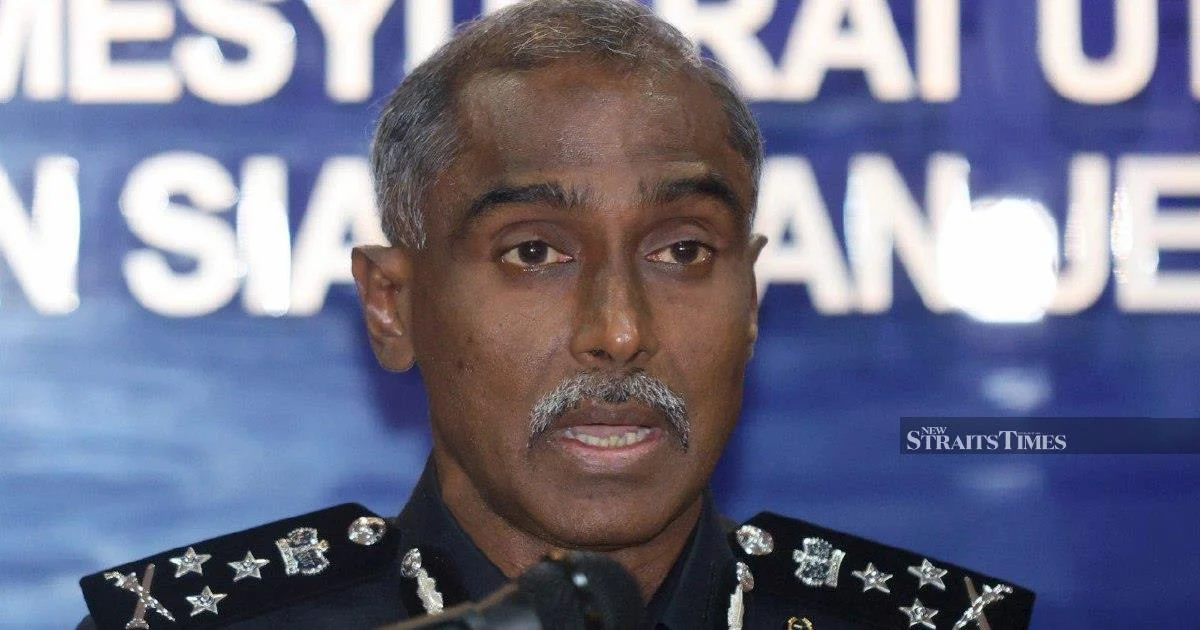
Law enforcement authorities in Selangor have concluded a significant four-day integrated operation that resulted in the arrest of 349 individuals, marking a substantial effort to disrupt organised crime activities and apprehend wanted persons across the state. Among those detained, five individuals were arrested under the Security Offences (Special Measures) Act 2012, commonly referred to as Sosma, which represents a notably serious dimension of the operation's scope.
The coordinated enforcement action demonstrates the police's commitment to tackling the multifaceted challenges posed by organised criminal enterprises throughout Selangor, Malaysia's most economically developed state and a persistent hotspot for illicit activities. The operation's breadth—encompassing multiple police units and focusing on both general criminal elements and security threats—underscores the complexity of modern law enforcement strategy in the nation's heartland.
The arrest of five individuals under Sosma provisions is particularly significant within Malaysia's security framework. Sosma, which provides law enforcement with enhanced investigative powers and detention provisions, is typically invoked for offences relating to internal security, terrorism, and activities deemed threatening to national stability. The presence of such suspects within a general crime crackdown suggests potential overlap between conventional organised crime networks and more serious security concerns, a pattern that has become increasingly evident across Southeast Asia in recent years.
Selangor's status as the nation's industrial and commercial hub makes it a critical focus for police operations. The state's dense population, sprawling urban centres, and extensive transportation networks create both opportunities and challenges for criminal enterprises ranging from drug trafficking to human smuggling, armed robbery, and fraud operations. The four-day operation's intensity reflects the persistent pressure authorities must maintain to prevent these activities from entrenching themselves within the state's infrastructure.
The scale of the operation—involving what would typically constitute multiple police district commands coordinating their efforts—highlights how contemporary law enforcement has moved toward integrated, multi-agency approaches rather than isolated enforcement actions. Such operations require substantial logistical coordination and intelligence-sharing among various police divisions, demonstrating institutional maturity in Malaysia's police force despite ongoing public debates about its effectiveness and independence.
Regional context matters significantly here. Selangor and the Klang Valley metropolitan area serve as critical nodes within Southeast Asia's smuggling networks, given their proximity to Port Klang and their central position within the Peninsular Malaysian transport system. Criminal syndicates operating across the region frequently move contraband, firearms, and trafficked persons through Selangor, making targeted operations essential for disrupting these transnational networks. The four-day enforcement push represents an attempt to disrupt supply chains and remove key operatives from circulation before they can reorganise or escalate their activities.
The distinction between the 349 general arrests and the five Sosma detainees warrants closer examination. While most arrests likely involved individuals wanted for conventional criminal offences—theft, drug possession, outstanding warrants—the Sosma cases suggest the operation uncovered intelligence connecting certain individuals to activities classified as security threats. This categorisation reflects police assessments of danger to the state, though specifics of these allegations remain confidential under Sosma's operational parameters.
For Malaysian residents and businesses, such operations carry both reassuring and cautionary dimensions. The visible police effort demonstrates responsiveness to organised crime challenges and willingness to deploy resources toward public safety. However, the sheer number of arrests needed to make progress also underscores how entrenched criminal networks have become within the urban landscape. The 349 arrests, while substantial, represent a temporary disruption rather than a permanent solution to systemic organised crime issues.
The operation's timing and scope also reflect broader enforcement strategies adopted by Malaysian police in response to persistent public concern over street crime, robbery, and organised gang violence. High-profile incidents involving organised syndicates have prompted police leadership to authorise intensive operations designed both to improve public perception of police competence and to generate genuine disruption within criminal hierarchies. Whether such crackdowns produce sustained behavioural change or simply scatter networks temporarily remains a persistent question in law enforcement research.
Moving forward, the true measure of this operation's success will depend on downstream outcomes. How many of the 349 arrested individuals ultimately face prosecution? Which cases result in conviction? Do the five Sosma detainees provide intelligence that disrupts broader networks? These follow-through elements determine whether a high-visibility operation translates into genuine crime reduction or merely represents temporary enforcement theatre.
For Malaysian citizens and the broader Southeast Asian security community, the continued prevalence of organised crime sufficiently serious to warrant four-day integrated police operations underscores the region's ongoing struggle with illicit networks. While police successes merit acknowledgement, the frequency of such operations also indicates that strategic, longer-term interventions addressing root causes—poverty, weak community engagement, border security vulnerabilities—remain essential alongside tactical enforcement efforts.

%22%2F%3E%3C%2Fpattern%3E%3C%2Fdefs%3E%3Crect%20width%3D%22100%25%22%20height%3D%22100%25%22%20fill%3D%22url(%23phbnsqg)%22%2F%3E%3Crect%20width%3D%22100%25%22%20height%3D%22100%25%22%20fill%3D%22url(%23phbnsqp)%22%2F%3E%3Ctext%20x%3D%2250%25%22%20y%3D%2250%25%22%20text-anchor%3D%22middle%22%20dominant-baseline%3D%22central%22%20fill%3D%22rgba(255%2C255%2C255%2C0.95)%22%20font-family%3D%22Georgia%2C%20'Times%20New%20Roman'%2C%20serif%22%20font-weight%3D%22700%22%20font-size%3D%22320%22%20letter-spacing%3D%22-0.02em%22%3EMUDA%3C%2Ftext%3E%3C%2Fsvg%3E)
