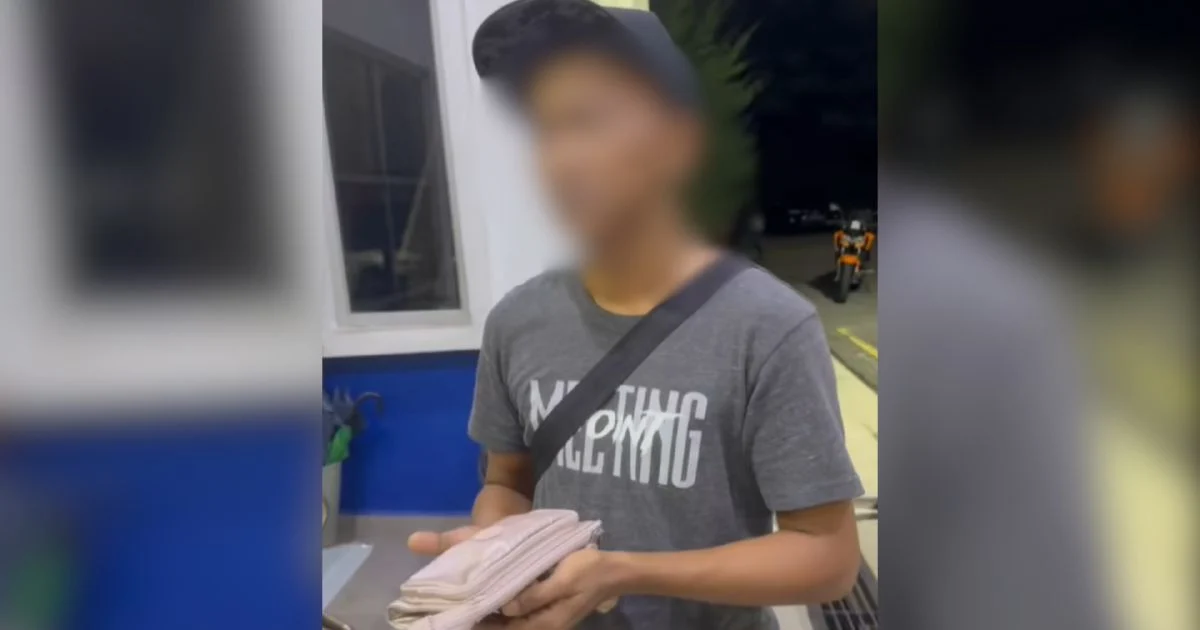
A 37-year-old man working as a delivery rider has been detained by Kajang police following allegations that he took RM10,000 in cash from a wallet found abandoned at a supermarket outlet in Semenyih. The arrest highlights an increasingly common problem facing shoppers across the Klang Valley region, where items left unattended in retail spaces frequently go missing.
According to police records, the complainant had misplaced their wallet while shopping at the hypermarket and realised it was gone only after leaving the premises. When they returned to make inquiries at the customer service counter, the money had already disappeared, though the wallet itself was later recovered. The discovery prompted an investigation that would ultimately lead officers to identify and apprehend the delivery rider.
The Kajang police district has been processing the case and gathering evidence to substantiate the theft allegation. Investigators have been reviewing security camera footage from the supermarket and cross-referencing movements captured during the timeframe when the wallet went missing. Such footage has become increasingly valuable in establishing the chain of events and linking suspects to specific incidents within commercial spaces.
This incident reflects a broader pattern of opportunistic crimes occurring in retail environments across Malaysia, where busy shopping periods and high footfall create conditions for thieves to operate with relative ease. Supermarkets and hypermarkets remain vulnerable points, particularly in checkout areas and customer service sections where shoppers frequently set down personal belongings while managing purchases or conducting transactions.
The case also underscores particular vulnerabilities faced by informal sector workers such as delivery riders, who often have legitimate reasons to be present in various commercial establishments. When investigations into retail thefts occur, workers in similar positions may face heightened scrutiny, though in this instance police action appears to have been supported by sufficient evidence to warrant formal detention.
For Malaysian shoppers, incidents of this nature serve as a timely reminder about the importance of basic precautions when visiting busy retail destinations. Losing valuable items—whether cash, cards, or identification documents—can result in not only immediate financial loss but also the considerable hassle of cancelling cards and replacing official documents. Consumer awareness campaigns by supermarket chains and local authorities have periodically stressed the need for vigilance, yet thefts from lost wallets and bags continue to be reported.
Supermarket operators themselves have come under increasing pressure to balance customer convenience with adequate security measures. While sophisticated surveillance systems are now standard in larger establishments, the sheer volume of daily transactions and foot traffic creates operational challenges in preventing every opportunistic theft. Training staff to respond quickly when lost items are reported, implementing clear protocols for item safekeeping, and encouraging customers to report missing belongings immediately can all help reduce losses.
The value of the stolen cash—RM10,000—represents a significant sum for most individuals and amplifies the seriousness of the allegation. For someone who may not have been able to immediately access banking facilities or credit cards, the loss of such cash could have created substantial hardship. The investigation's successful progress in identifying a suspect demonstrates that police are treating retail-related theft cases seriously, particularly when substantial sums are involved.
Police have not yet disclosed full details of the evidence linking the delivery rider to the theft, though procedural protocols typically require that investigators have established probable cause before making an arrest. The suspect's cooperation or any statements made during questioning may form part of the case file, though such details are normally withheld pending formal charges in court.
The case will likely proceed through the courts in coming weeks, where the evidence will be tested and the suspect afforded an opportunity to respond to allegations. Depending on the strength of the prosecution's case, the courts will determine whether charges are warranted. For the delivery sector, which has grown exponentially in Malaysia as e-commerce has expanded, maintaining a reputation for trustworthiness remains essential, and individual incidents involving riders inevitably reflect on the broader industry.
Local authorities and retail management groups have been increasingly engaging in collaborative efforts to address petty crime in commercial spaces. These initiatives include improved lighting, clearer customer guidance on safeguarding valuables, and coordination between security personnel and police departments. The arrest in this Semenyih case suggests that such collaborative approaches, when combined with functional surveillance infrastructure, can yield results in apprehending suspects.
For the wider community in the Klang Valley and beyond, this incident exemplifies the importance of remaining cautious in public spaces while also acknowledging that most people who encounter lost valuables do the right thing and hand them to staff. The recovery of the wallet itself indicates that not all individuals who find abandoned items choose to keep the money, a reminder that many shoppers and service workers still prioritise doing what is morally correct despite financial pressures.