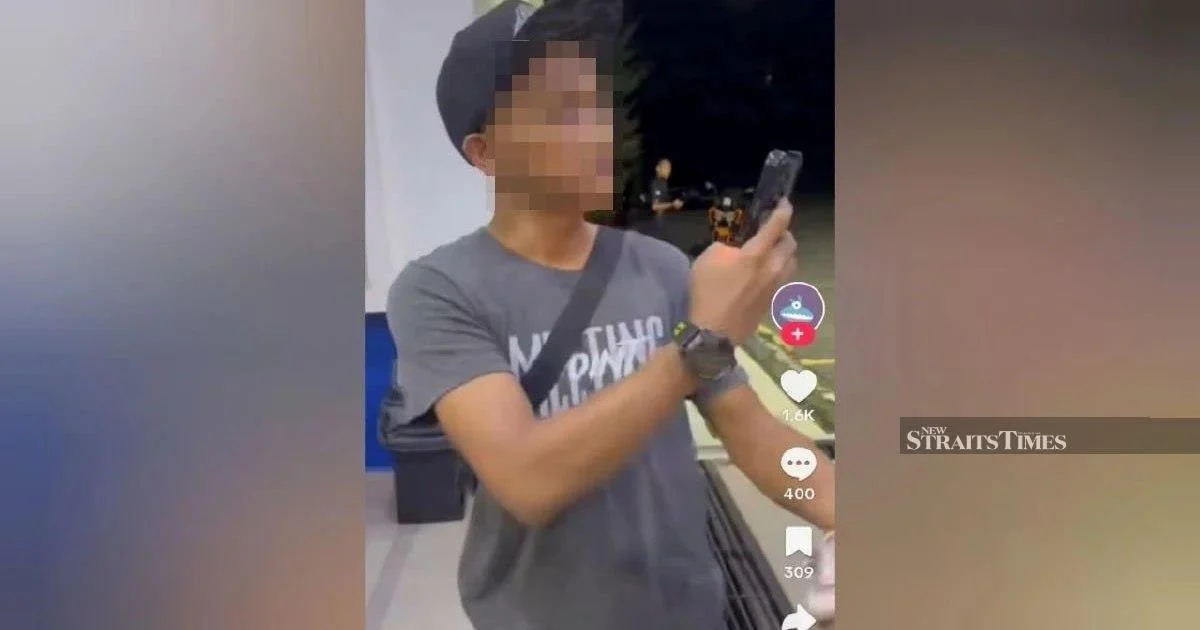
A 37-year-old delivery rider detained on suspicion of pocketing RM10,000 from a lost wallet at a Semenyih supermarket will remain in police custody as investigators seek additional time to build their case. The Kajang court has authorised the extension of his remand period through June 23, signalling that the investigation into the alleged theft requires further development before charging decisions can be made.
The incident reflects a concerning trend of opportunistic crime targeting everyday valuables in retail environments across the Klang Valley. Supermarkets, despite their security infrastructure, remain vulnerable to swift, small-scale thefts capitalising on the momentary inattention of shoppers. In this case, a forgotten wallet—containing what appears to be a substantial sum for many Malaysian households—became the focus of an investigation that has now expanded into a multi-week police operation.
The decision to extend remand is significant within Malaysia's criminal justice framework. Courts typically grant such extensions when investigators demonstrate reasonable grounds to believe further inquiries will uncover material evidence, locate additional witnesses, or allow forensic examination of relevant items. The extension through late June suggests police are pursuing multiple investigative avenues, potentially including CCTV footage analysis from the supermarket, interviews with staff and other customers, and digital trail tracking of the suspect's activities around the time of the alleged theft.
Delivery workers occupy a particularly complicated position in Malaysia's gig economy, often operating with minimal oversight and under pressure to maximise daily earnings. The arrest of someone from this workforce raises questions about the circumstances that may have contributed to the suspected crime, while simultaneously highlighting how individuals in precarious employment situations sometimes make choices that jeopardise their already unstable livelihoods. A criminal conviction would effectively end this person's ability to work in delivery services, an industry where background checks are increasingly standard.
The Semenyih supermarket in Selangor's commercial landscape serves thousands of shoppers weekly, making it a relatively high-traffic environment where lost items surface regularly. The discovery of an abandoned wallet with RM10,000 inside represents the kind of scenario that tests both individual honesty and institutional security procedures. That the supermarket was able to eventually identify a suspect and lodge a report with authorities suggests their security measures and staff cooperation with police investigations are reasonably effective—a reassuring sign for retailers and consumers alike.
From a law enforcement perspective, the extension of remand reflects standard police procedure when investigations cannot be concluded quickly. The period allows investigators to coordinate with forensic specialists, obtain warrants for financial records if necessary, and conduct detailed interviews that might establish motive, opportunity, and the suspect's knowledge of the wallet's contents. For the accused individual, however, extended remand in custody represents significant hardship, as Malaysia's police lock-ups and remand facilities are known for crowded conditions and limited comfort.
The case also underscores the importance of shoppers exercising vigilance in public spaces. While retailers bear responsibility for reasonable security, customers must remain aware of their valuables, particularly in crowded supermarket environments where pickpocketing and theft of found items occur. Wallets containing substantial cash face particular risk—a lesson many Malaysians unfortunately learn only after experiencing loss. Digital payment methods, which leave traceable records, represent a safer alternative for many transactions, though cash remains prevalent in Malaysia's diverse economy.
The investigation's progression through the Kajang court system places it within Selangor's judicial process, where commercial crime and theft cases maintain a steady caseload. The relatively swift remand extension suggests prosecutors view the allegations seriously enough to commit investigative resources, though the ultimate outcome will depend on the strength of evidence gathered and presented during formal charges. Should charges be filed, the severity of the allegation—straightforward theft versus fraud or receiving stolen property—will influence sentencing guidelines should conviction follow.
For the delivery sector broadly, this case serves as a reminder of the reputational risks the industry faces. Delivery workers already contend with perceptions of untrustworthiness due to occasional reports of missing items from orders. Incidents like alleged wallet theft reinforce these stereotypes, regardless of whether they represent systemic problems or isolated incidents. Industry associations and platform operators may face renewed calls to implement more robust background-checking procedures and monitoring protocols to protect consumers and honest workers alike.
The extension of remand through June 23 indicates the investigation remains in active phases rather than near conclusion. Police will likely continue their inquiries into the wallet's discovery timeline, the suspect's movements, and any financial transactions that might corroborate or contradict the alleged theft. As the case develops through Malaysia's criminal justice system, it will establish important precedent regarding how opportunistic theft in retail environments is prosecuted and what standards of evidence courts expect in such cases.
%22%2F%3E%3C%2Fpattern%3E%3C%2Fdefs%3E%3Crect%20width%3D%22100%25%22%20height%3D%22100%25%22%20fill%3D%22url(%23ph32hyvg)%22%2F%3E%3Crect%20width%3D%22100%25%22%20height%3D%22100%25%22%20fill%3D%22url(%23ph32hyvp)%22%2F%3E%3Ctext%20x%3D%2250%25%22%20y%3D%2250%25%22%20text-anchor%3D%22middle%22%20dominant-baseline%3D%22central%22%20fill%3D%22rgba(255%2C255%2C255%2C0.95)%22%20font-family%3D%22Georgia%2C%20'Times%20New%20Roman'%2C%20serif%22%20font-weight%3D%22700%22%20font-size%3D%22151%22%20letter-spacing%3D%22-0.02em%22%3EPerikatan%3C%2Ftext%3E%3C%2Fsvg%3E)