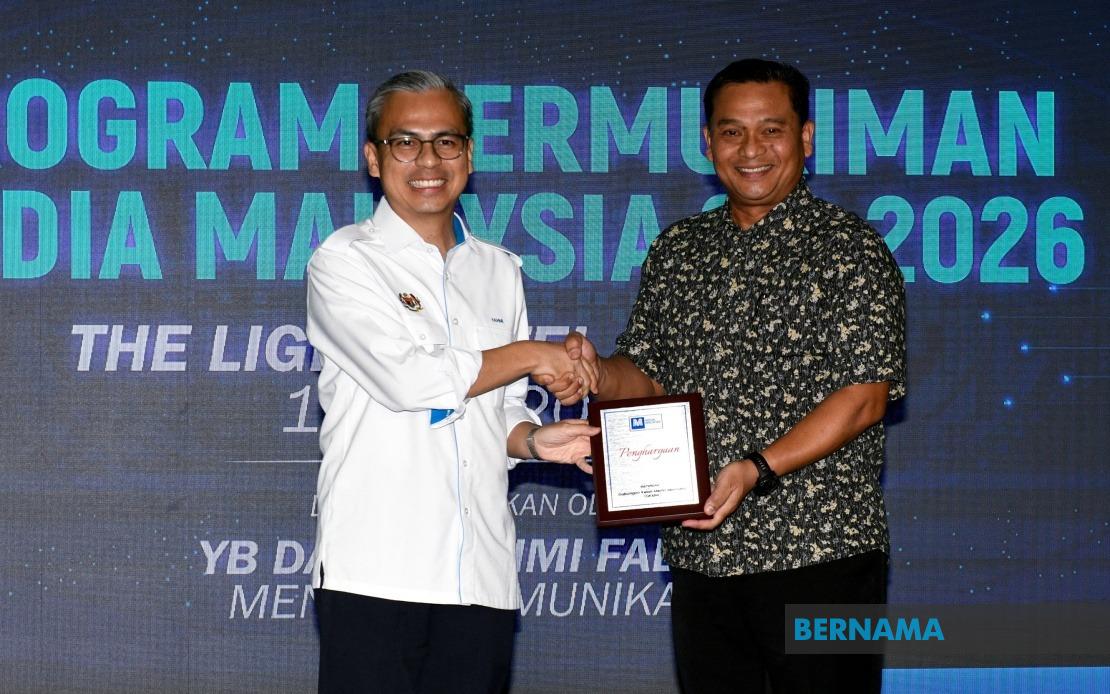
The Communications Ministry is channelling fresh financial support to the country's media fraternity, with each state media club affiliated to the Malaysian Media Clubs Association receiving RM10,000, while the parent organisation itself secures RM30,000 in annual funding. Communications Minister Datuk Fahmi Fadzil unveiled the allocation during the Malaysia Media Retreat Programme 2.0 in Butterworth, underscoring the government's commitment to bolstering the journalism sector at a time when the industry faces mounting pressures from digital disruption and economic constraints.
The funding initiative reflects a strategic recognition that media practitioners form the backbone of Malaysia's information ecosystem, gathering facts on the ground and transforming raw data into coherent news that shapes public discourse. Fahmi emphasised that journalists perform an irreplaceable function as witnesses to unfolding events, leveraging discipline, experience and professional acumen to serve the public interest. This allocation therefore represents more than nominal financial support; it signals governmental acknowledgement that the journalism profession warrants institutional backing during a period of significant industry transformation.
The RM30,000 earmarked for the Malaysian Media Clubs Association is intended to fund welfare initiatives and programmes designed to address persistent challenges within the journalism profession. These funds carry the implicit expectation that GKMM will deploy resources strategically to enhance the professional development and material wellbeing of its member journalists. Fahmi articulated hope that all contributions would be optimised for maximum benefit, demonstrating ministerial confidence in the association's stewardship of these resources and its ability to translate financial allocations into tangible improvements for media practitioners.
While GKMM functions primarily as a professional association rather than a formal workers' union, its role in articulating journalist concerns and advocating for industry-wide improvements has assumed greater significance. Fahmi acknowledged this distinction while recognising GKMM's capacity to serve as a crucial conduit through which media practitioners can communicate workplace grievances and sectoral challenges directly to government policymakers. This positioning allows the association to function as an informal intermediary, bridging the gap between individual journalists and ministerial decision-making processes without the formal labour-relations framework that would characterise union engagement.
The timing of this funding announcement assumes particular relevance given ongoing industry consolidation and the accelerating adoption of artificial intelligence technologies within newsrooms. Fahmi directly confronted anxieties about technological displacement, asserting that AI cannot replicate the investigative acumen and human judgment that professional journalists bring to storytelling. This reassurance addresses a widespread concern within the Malaysian media sector, where redundancies and reduced staffing levels have become commonplace as media organisations adapt to declining advertising revenues and shifting consumption patterns toward digital platforms.
The government has signalled its intention to remain engaged with media-industry perspectives in developing future regulatory frameworks and policy initiatives. Fahmi cited the drafting process for the Malaysian Media Council Act as exemplary, noting that substantial portions of this legislation incorporated suggestions and viewpoints volunteered directly by industry representatives. This collaborative approach to policy formation distinguishes the Communications Ministry's engagement with the media sector and suggests that future initiatives will similarly benefit from substantive consultation with practitioners and industry organisations.
For Malaysian state-level media clubs, the RM10,000 allocation per organisation provides meaningful if modest resources for programming, professional development workshops and welfare support. Many state media clubs operate with limited budgets and rely substantially on membership contributions and sporadic governmental assistance to sustain operations. This fresh infusion of funds enables clubs to expand services including training programmes, networking events and support mechanisms for journalists experiencing financial hardship or professional difficulties.
The announcement takes place amid broader international conversations about journalism sustainability and the future of news production in an era of digital transformation. Southeast Asian countries, including Malaysia, have grappled with declining trust in media institutions, reduced newsroom capacity and questions about whether traditional journalistic models can remain viable. By committing financial resources to journalist-welfare initiatives and professional-association programmes, the Malaysian government positions itself as invested in preserving the journalism profession despite disruptive technological and economic forces.
Sector observers will likely scrutinise how effectively the allocated funds translate into concrete benefits for working journalists. GKMM's track record in managing such resources and distributing benefits equitably across member organisations will determine whether this funding initiative achieves its stated objective of enhancing journalist welfare and industry stability. The allocation also raises questions about whether government support should be accompanied by formal accountability mechanisms ensuring transparent deployment of public funds.
The presence of senior ministry officials and Bernama leadership at the announcement emphasises governmental commitment to media-industry collaboration. Malaysian National News Agency chief executive officer Datin Paduka Nur-ul Afida Kamaludin and editor-in-chief Arul Rajoo Durar Raj joined Communications Ministry secretary-general Datuk Abdul Halim Hamzah in witnessing Fahmi's announcement, signalling institutional alignment across the government media apparatus regarding support for the broader journalism profession.