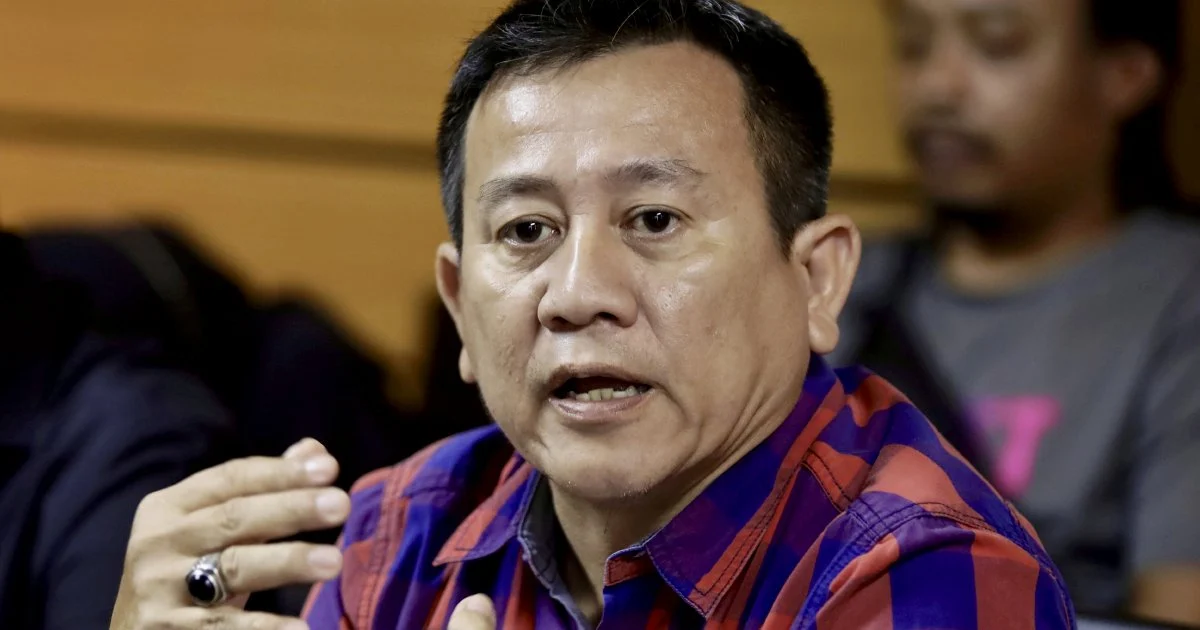
The pressure on Perikatan Nasional's internal unity intensified when Bersatu information chief Datuk Tun Faisal Ismail Aziz publicly advocated for PAS to abandon the coalition, marking a significant escalation in factional tensions within the pan-Malay alliance that has governed Malaysia since 2023.
Tun Faisal's intervention reflects deepening rifts between the coalition's principal members, with Bersatu—led by Prime Minister Anwar Ibrahim's rival, Muhyiddin Yassin—seemingly abandoning attempts to paper over disagreements with the Islamic Party. His assertion that PAS would be better served pursuing its own political trajectory represents a departure from public displays of coalition solidarity that have characterized PN's governance period.
The call for separation raises fundamental questions about the sustainability of the Perikatan arrangement, which emerged as an alternative political vehicle after Muhammadiyah (UMNO) and Bersatu's 2020 departure from the PH-led government. What once appeared a stable three-way partnership between Bersatu, PAS, and smaller components has proven fragile in execution, with competing visions and resource disputes creating persistent friction.
PAS leadership has occupied the influential religious and rural affairs portfolio within government, while Bersatu has retained significant federal posts. However, the distribution of power and influence—particularly in shaping Islamic policy and cultivating grassroots support in Malay-Muslim constituencies—has generated ongoing disputes that public statements from coalition principals increasingly reflect.
Tun Faisal's remarks carry particular weight because Bersatu, despite its smaller parliamentary representation compared to PAS's 49 seats, punches above its weight through Prime Minister Anwar's patronage and strategic positioning. His suggestion that PAS operate independently or seek fresh alliances essentially challenges whether the Islamist party benefits more from remaining within an unstable coalition or charting its own course.
The timing of this public call is significant, arriving as Malaysia approaches the mid-term review period before the next general election. Political calculations around coalition viability intensify whenever electoral cycles approach, with smaller parties reassessing whether current arrangements maximally serve their electoral interests and policy objectives. PAS historically derives substantial support from Islamic constituencies that overlap with PN's broader rural base, suggesting a solo strategy might yield different outcomes than coalition participation.
Regionally, PN's trajectory holds implications beyond Malaysia's borders. The coalition's governance challenges offer insights into how explicitly identity-based political movements—constructed around Islamic governance concerns and Malay-Muslim interests—navigate sustained coalition management. Southeast Asia's evolving political landscape increasingly features such movements, making PN's stability or dissolution relevant to understanding broader regional trends in ethno-nationalist and religious political organizing.
Tun Faisal's intervention also signals calculation about Bersatu's own positioning. By encouraging PAS's departure, Bersatu may be attempting to reshape coalitional arithmetic to its advantage, potentially enabling realignment with other parties or consolidation of its existing influence without PAS as a competitor for rural Malay votes and Islamic policy authority. This suggests coalition mathematics are actively being recast rather than settled.
The relationship between governmental stability and coalition durability remains uncertain. Perikatan Nasional currently commands sufficient parliamentary seats to govern, but losing PAS's 49 seats would dramatically alter that calculation, potentially forcing reconfiguration of Malaysia's entire political architecture. Whether Anwar Ibrahim's administration could survive PAS departure intact or would require incorporation of other parties represents an unresolved tension underlying Tun Faisal's statement.
PAS's potential response will substantially determine whether Bersatu's call represents genuine factional break or negotiating posture. The Islamist party might reject the overture, interpret it as threat to its coalition standing and seek closer alignment with PN partners, or genuinely explore alternatives. PAS has historically demonstrated flexibility in political realignments, having joined and exited various coalitions throughout modern Malaysian politics.
Underlying these elite political maneuvers lie broader questions about whether Perikatan Nasional's foundational premise—that Malay-Muslim political interests require exclusive coalition arrangement—remains durable or whether Malaysian politics is gradually returning to looser, more issue-based alignments. Tun Faisal's statement suggests even architects of identity-based coalitions increasingly doubt their long-term viability.
The public airing of such tensions, rather than their management through private negotiation, indicates PN's institutional mechanisms for conflict resolution may be weakening. Coalition governments elsewhere have survived internal disagreements through careful mediation and compromise, but Malaysian political culture's confrontational style increasingly privileges public positioning over private consensus-building.


