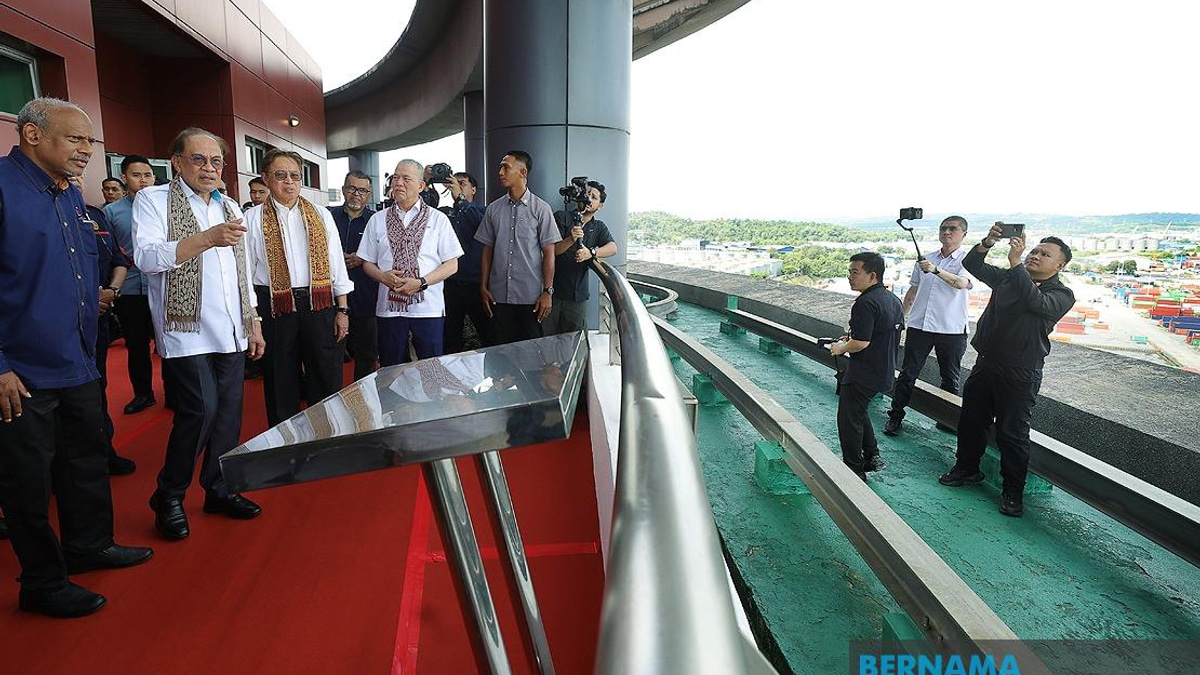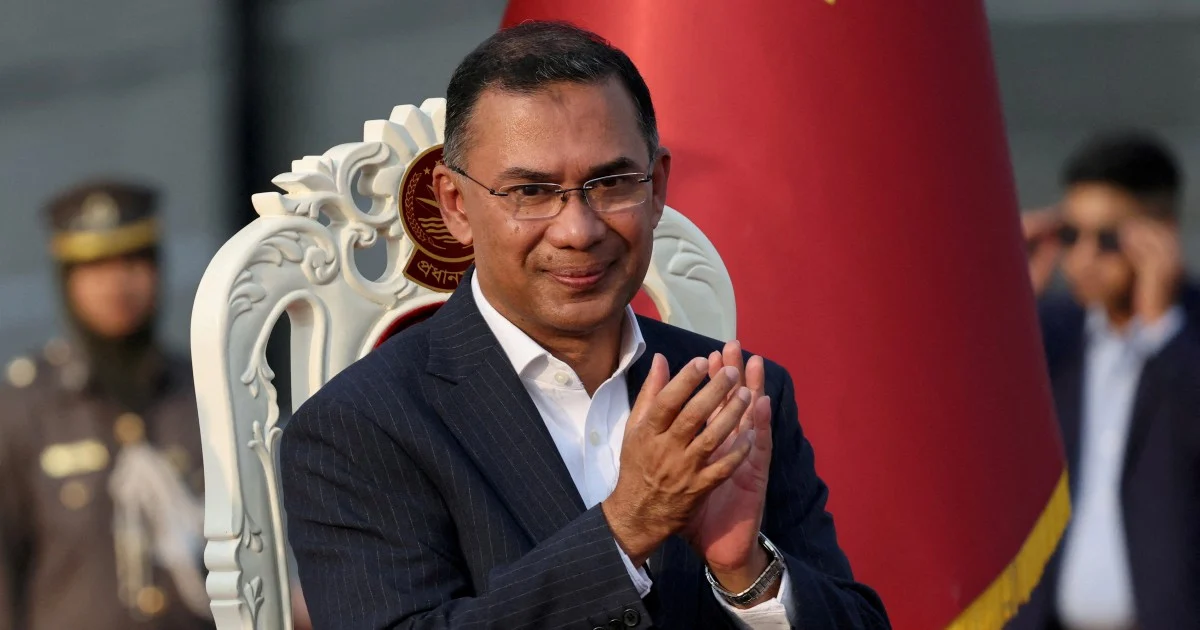
Bangladesh Prime Minister Tarique Rahman touched down at Sepang today, marking the beginning of a significant diplomatic engagement that underscores the deepening relationship between Dhaka and Kuala Lumpur. The arrival sets the stage for high-level discussions expected to yield concrete outcomes in bilateral cooperation, trade, and development partnerships that extend beyond traditional diplomatic courtesy into substantive areas affecting both nations' strategic interests and economic trajectories.
The timing of Rahman's visit reflects a broader pattern of renewed engagement between Bangladesh and Malaysia, two nations with complementary economies and shared regional concerns. Both countries occupy important positions within Southeast Asia's geopolitical framework—Bangladesh as a critical player in South Asian affairs with growing regional influence, and Malaysia as a longstanding economic powerhouse and cultural bridge across the Islamic world. Their interaction carries implications that ripple through ASEAN and beyond, particularly given the region's evolving security dynamics and China's expanding regional presence.
Bilateral trade between the two nations has expanded considerably in recent years, though economists and policymakers recognize untapped potential in sectors ranging from manufacturing and textiles to technology and tourism. Bangladesh's garment industry, which supplies markets globally including Malaysia's retail sector, represents one tangible dimension of existing economic ties. However, deeper investment partnerships, joint ventures in infrastructure development, and cross-border educational exchanges remain areas where both governments see room for meaningful advancement. The visit provides an occasion to formalise discussions that have been occurring at technical levels into governmental commitments.
Cooperation in labour and human resources forms another critical dimension of Bangladesh-Malaysia relations. Thousands of Bangladeshi workers contribute significantly to Malaysia's construction, manufacturing, and service sectors, remitting substantial sums back to their families and supporting Bangladesh's development efforts. Formalising better protections, skills development partnerships, and migration frameworks benefits both nations by ensuring fair treatment while supporting Malaysia's labour needs and Bangladesh's employment objectives. Such agreements often emerge from official visits at the prime ministerial level, where both sides can commit to implementing mechanisms discussed previously.
Regional security challenges and the maritime dimensions of the Bay of Bengal and Andaman Sea create natural areas of cooperation. Both countries face transnational issues including human trafficking, piracy, and maritime boundary management. Intelligence sharing, coordinated naval patrols, and joint law enforcement efforts represent practical extensions of bilateral partnership that enhance security for both nations while contributing to broader regional stability. Bangladesh's significant maritime resources and Malaysia's experience in regional security coordination create synergies that officials often explore during such visits.
Cultural and educational exchanges have traditionally strengthened Bangladesh-Malaysia bonds, with Malaysian universities attracting Bangladeshi students and cultural programmes fostering people-to-people connections. Rahman's visit likely includes discussions about expanding scholarship opportunities, academic partnerships, and cultural initiatives that embed lasting connections across generations. Such soft power dimensions often prove more durable than transactional economic deals, building constituencies within both societies supportive of sustained bilateral engagement.
The geopolitical context surrounding Rahman's visit warrants consideration. Bangladesh navigates complex regional dynamics involving India, China, and Pakistan, while maintaining non-aligned principles and seeking equitable partnerships. Malaysia similarly balances multiple great power relationships while prioritising ASEAN solidarity and regional prosperity. Both nations benefit from dialogue mechanisms that allow candid discussion of security concerns, economic strategies, and development priorities without the constraint of formal alliance structures. Official visits provide crucial forums for such discussions away from public scrutiny.
Infrastructure development represents an increasingly important component of bilateral cooperation frameworks. Both nations have invested in ports, transportation networks, and digital infrastructure. Bangladesh's emergence as a middle-income developing country with ambitious infrastructure plans creates opportunities for Malaysian companies and expertise, while Malaysian partnerships could accelerate Bangladesh's development timeline. Official visits often conclude with agreements establishing special economic zones, joint committees on infrastructure, or investor protection frameworks that facilitate private sector participation.
Energy cooperation, including renewable energy development and power generation technologies, forms another frontier in Bangladesh-Malaysia relations. As both nations pursue energy security and transition toward cleaner technologies, opportunities exist for technical collaboration, investment in solar and wind projects, and knowledge exchange regarding grid management. Bangladesh's substantial natural gas reserves and Malaysia's expertise in energy development create complementary interests that structured cooperation can benefit.
The visit also carries significance for ASEAN dynamics and Malaysia's leadership role within the bloc. As chairman of ASEAN, Malaysia's diplomatic engagements signal priorities and build consensus around regional initiatives. Bangladesh, though not an ASEAN member, holds observer status and increasingly participates in ASEAN-related forums. Rahman's visit to Malaysia offers opportunity for discussion about Bangladesh's evolving role in regional institutions and cooperation mechanisms, including the East Asia Summit and broader Indo-Pacific arrangements.
Expectations for concrete deliverables from this visit likely include enhanced agreements on trade facilitation, expanded educational partnerships, strengthened security cooperation, and possibly joint infrastructure projects. Such outcomes would demonstrate to both governments' constituencies that diplomatic engagement yields tangible benefits extending beyond symbolic gestures. The specifics remain to be announced through formal statements and bilateral communiqués that typically conclude official visits.
Rahman's Malaysia visit represents more than routine diplomatic protocol; it exemplifies how bilateral relationships evolve through sustained dialogue, mutual interest recognition, and pragmatic cooperation frameworks. For Malaysian readers and policymakers, the visit underscores Malaysia's continued relevance in South Asian affairs and the nation's capacity to build partnerships extending across regions. As Bangladesh continues its development trajectory and Malaysia navigates regional transformation, such engagements establish foundations for cooperation that serves both nations' citizens and contributes to broader regional prosperity and stability.