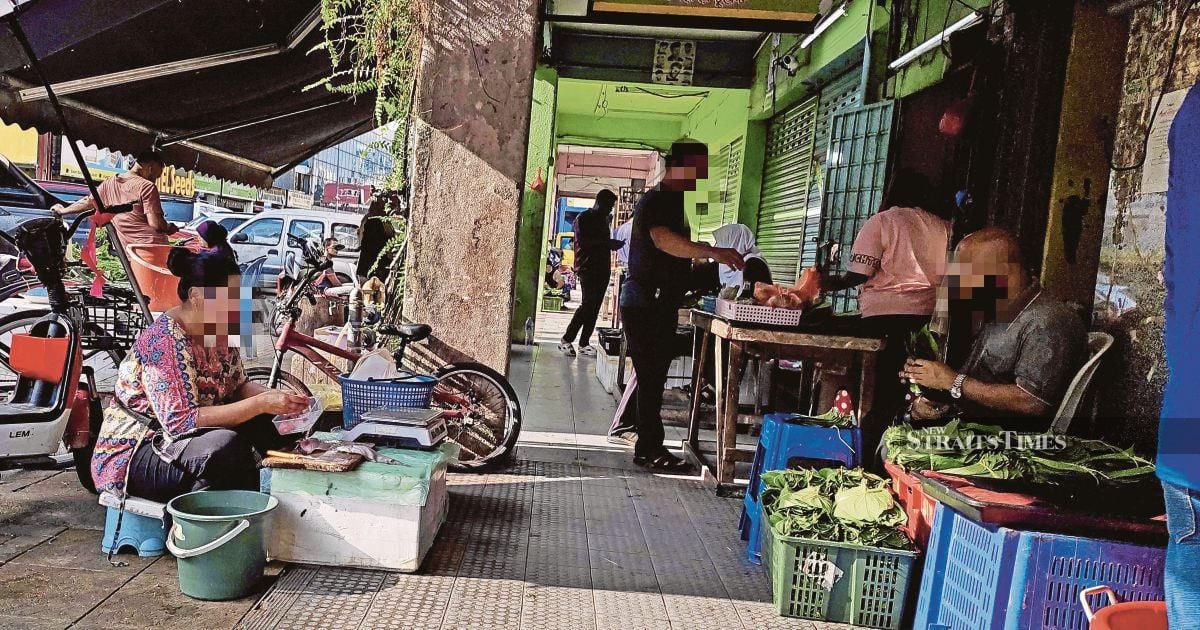
The Malaysian government has issued a fresh appeal to the public to uphold core humanitarian values while engaging with the contentious issue of the Rohingya community residing within the country. Speaking from Putrajaya, government officials stressed that citizens must demonstrate compassion and recognise the human dignity of the Rohingya people, even as the matter attracts growing public attention and sustained media scrutiny.
This statement reflects a deliberate attempt by the administration to recalibrate the national conversation surrounding one of Southeast Asia's most pressing humanitarian crises. The Rohingya crisis, which has displaced nearly one million people from Myanmar since 2017, has created complex challenges for Malaysia as a frontline host nation. The country currently shelters hundreds of thousands of Rohingya refugees, making it one of the primary destinations for those fleeing persecution and violence in Rakhine State.
The government's emphasis on balancing humanity with law signals recognition that public sentiment has become increasingly polarised on the Rohingya question. Malaysian society, like many Southeast Asian nations, grapples with genuine concerns about resources, employment, and social stability alongside moral obligations to vulnerable populations. The statement appears designed to encourage a more nuanced public debate that acknowledges both legitimate policy considerations and the profound suffering of an ethnically persecuted group.
Official guidance emphasising compassion carries particular significance given rising tensions in some quarters of Malaysian society regarding refugee integration and resource allocation. Heightened media attention, while raising awareness of Rohingya circumstances, has sometimes amplified divisive rhetoric. The government's intervention suggests authorities recognise that maintaining social cohesion while addressing the crisis requires active leadership in shaping public discourse.
Malaysia's position as a signatory to the UNHCR Nansen Initiative and a nation with historical commitments to protecting displaced persons creates a complex policy landscape. The government must navigate international humanitarian obligations, regional partnership commitments, and domestic political pressures simultaneously. This delicate equilibrium explains the official emphasis on values-based leadership rather than purely administrative responses.
The humanitarian dimension of the Rohingya situation cannot be overstated. Many Rohingya communities in Malaysia have experienced severe trauma, including witnessing violence and family separation. Access to education, healthcare, and livelihood opportunities remains severely constrained, with most Rohingya unable to work legally or access formal employment. Children born in refugee camps face uncertain futures, and psychological wellbeing among the population reflects years of displacement and uncertainty.
Simultaneously, the Malaysian government faces legitimate administrative and policy questions about resource management, integration pathways, and long-term solutions. The current situation is neither sustainable indefinitely nor solvable through compassion alone. Effective policy requires combining humanitarian recognition with strategic planning for either eventual repatriation to Myanmar, integration into Malaysian society, or resettlement to third countries.
The government's statement implicitly acknowledges that public opinion significantly influences policy feasibility. Maintaining support for refugee hosting requires citizens to understand the moral imperatives alongside practical considerations. When portions of the population view Rohingya communities primarily through security or economic lens, political space for generous policies contracts. By appealing to humanitarian values, officials attempt to broaden that political space.
Regional dynamics further complicate Malaysia's approach. Other Southeast Asian nations, particularly Thailand and Indonesia, similarly host large Rohingya populations while facing comparable resource constraints and public sentiment concerns. Malaysia's emphasis on balancing values and law reflects broader regional tensions between humanitarian responsibility and state capacity. A collective regional framework addressing the crisis would likely require similar appeals to both principle and pragmatism.
The international dimension remains critical. Myanmar's government shows no clear commitment to creating conditions for safe, voluntary, and dignified Rohingya return. Repatriation agreements have proven difficult to implement, and many Rohingya rightly fear persecution if returned prematurely. This reality means Malaysia and other host nations may harbour these populations indefinitely, necessitating sustainable solutions beyond temporary refugee models.
Moving forward, the government's call for balancing humanity and law suggests potential policy directions. These might include expanding livelihood opportunities for Rohingya, enhancing educational access, strengthening legal protections against exploitation, and developing more comprehensive integration frameworks. Such measures would require resources and political will but would demonstrate that compassion translates into concrete improvements in refugee welfare.
The statement ultimately reflects mature governance acknowledging that complex humanitarian crises resist simple solutions. Malaysia's challenge involves maintaining social stability, meeting international obligations, respecting human dignity, and developing sustainable long-term approaches. The government's emphasis on humanity serves as both moral reminder and practical recognition that lasting solutions require public support grounded in shared values. How effectively Malaysia balances these competing imperatives will influence both the wellbeing of hundreds of thousands of vulnerable people and the nation's regional standing as a humanitarian actor.


