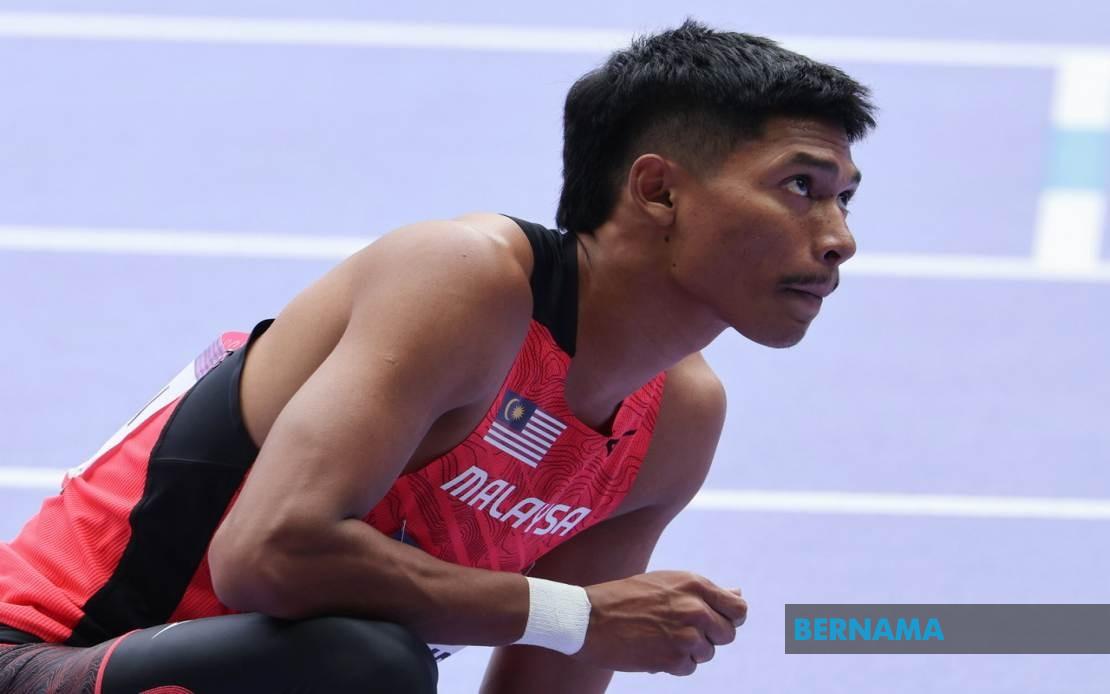
National sprinter Muhammad Azeem Mohd Fahmi has signalled his intention to establish his athletic base in Malaysia following the completion of his university education in the United States, marking a significant decision for one of the country's most promising track talents. After four years at Auburn University, the 22-year-old athlete is shifting his focus from American collegiate life to intensive professional training within Malaysia's sports infrastructure, a move that reflects both personal priorities and strategic career planning.
Azeem holds Malaysia's national record in the 100 metres, having clocked an impressive 10.09 seconds—a benchmark that underscores his potential as a competitive force in regional and international sprinting. His decision to remain domestically comes at a crucial juncture in his athletic development, as athletes in their early twenties typically enter a critical phase where consistent training and competition experience can determine long-term trajectory. The sprinter's commitment to staying put represents a vote of confidence in Malaysia's coaching infrastructure and training facilities, particularly given that he previously had the option to pursue opportunities in the United States where he had already established an academic foundation.
Family considerations have emerged as the primary driver of Azeem's decision. Having spent the past four years in Alabama pursuing his education, he expressed an earnest desire to reconnect with his immediate family, parents, and wider support network who remained in Malaysia throughout his absence. He acknowledged that this period of separation had been substantial, and that proximity to loved ones has become a priority in his current life stage. This perspective reveals a often-overlooked dimension of elite athletes' lives—the personal sacrifices involved in overseas training programmes and the psychological value of familial support systems in maintaining motivation and wellbeing.
The athlete's training structure has been carefully arranged to leverage expertise from both international and local coaching talent. Ken Harnden, his American coach, will continue designing his training programme remotely, ensuring that the advanced methodologies and periodisation principles developed during his university years remain integrated into his preparation. However, day-to-day supervision and hands-on coaching will be provided by Muhammad Amir Izwan Tan Abdullah, a local coach who will manage the practical implementation of these plans within Malaysia's training environment. This hybrid arrangement allows Azeem to maintain continuity in his technical development while benefiting from Malaysian coaching experience and local understanding of domestic competition calendars.
Azeem's approach reflects a growing sophistication in how Malaysian athletes structure their careers, particularly in technical sports like sprinting where marginal gains and consistent methodology matter immensely. Rather than abandoning foreign expertise upon return, he is attempting to marry the best of both worlds—international-standard coaching methodology combined with local operational management. This model could potentially serve as a blueprint for other Malaysian athletes studying abroad who wish to return home without sacrificing access to world-class training principles.
Academic pursuits remain on Azeem's longer-term agenda, though he has deliberately positioned them as secondary to athletic development in the immediate future. He indicated intentions to pursue a master's degree, but has elected to defer this commitment for several months while dedicating himself completely to sports training and competition. This prioritisation demonstrates clear-eyed strategic thinking about the window of opportunity available to elite sprinters, whose competitive peak years are relatively narrow. Attempting to balance intensive postgraduate studies with the demanding regimen required for international-level sprinting would likely compromise both endeavours, a calculation Azeem appears to have made deliberately.
The return of talented Malaysian athletes from overseas education and training programmes has become an increasingly important factor in the country's sporting competitiveness. When athletes like Azeem elect to base themselves domestically, they contribute to strengthening local training ecosystems and potentially elevate the standards against which domestic competitors train. His presence in Malaysia's athletics community could provide benchmarking opportunities for other sprinters and inspire younger athletes who witness that remaining in the country need not equate to reduced access to world-class preparation.
Malaysia's athletics programme stands at an interesting crossroads regarding its international competitiveness, particularly in sprint events where the region faces stiff competition from countries with more established professional athletic structures. Azeem's decision to invest his development years within the domestic system carries implicit confidence in Malaysia's capacity to support elite-level training, even if he maintains international coaching consultation. The success or otherwise of this arrangement over the next two to three years will likely influence how other young Malaysian athletes make similar career-location decisions.
The timing of Azeem's return also intersects with Malaysia's sporting calendar and regional competition opportunities. Southeast Asian Championships, Asian Games, and Commonwealth Games schedules provide regular competitive outlets for sprinters, offering pathways to international exposure without requiring permanent relocation. These opportunities may have factored into his decision to remain regionally based rather than pursuing full-time training opportunities in countries with deeper professional athletics markets. His presence could strengthen Malaysia's medal prospects in upcoming regional competitions while his continued development against international standards provides motivation for domestic athletic programmes.
Moving forward, Azeem's journey will be closely monitored by Malaysian sporting officials and athletics community observers as a case study in athlete retention and development. His commitment to maintaining training standards while prioritising personal reconnection demonstrates that remaining in Malaysia need not represent a compromise in athletic ambition. The sprinter's resolve to focus exclusively on athletics for the coming months, while maintaining academic aspirations for the medium term, reflects a mature understanding of the temporal demands of elite sport and the importance of sequencing major life commitments appropriately.


