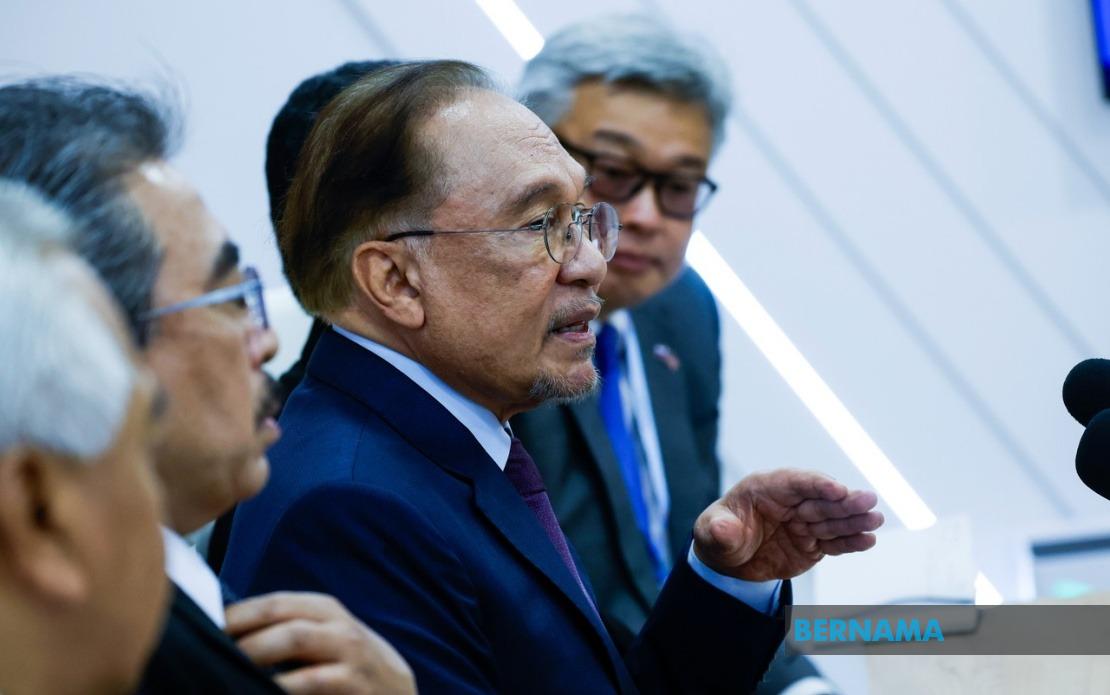
Prime Minister Datuk Seri Anwar Ibrahim's two-day working visit to Kazan has delivered a significant outcome for Malaysia's energy security strategy, with both nations pledging to deepen cooperation across energy, trade, investment, tourism and technology sectors. The centrepiece of the mission centres on Russia's undertaking to guarantee stable, long-term supplies of petroleum, oil and gas to Malaysia — a departure from the country's existing arrangements which rely on annual or seasonal renewals that leave the nation vulnerable to market fluctuations and geopolitical disruptions.
During the closing press conference following the ASEAN-Russia Commemorative Summit, Anwar emphasised the strategic importance of transitioning from short-term transactional energy agreements to durable, multi-year frameworks. This approach addresses a persistent concern for Malaysia's energy planners, as the volatility inherent in yearly renewal cycles exposes the nation to sudden price spikes and supply uncertainties. The Prime Minister revealed that concrete progress has already been made, with Russian company representatives visiting Malaysia and draft agreements in advanced stages of negotiation. Upon returning to Kuala Lumpur, Anwar indicated that officials would accelerate the finalisation process, suggesting that the signing and implementation could occur within weeks rather than months.
The energy partnership reflects broader strategic thinking within Malaysia's government about diversifying and securing long-term commodity supplies amid unpredictable global conditions. Geopolitical tensions, supply chain vulnerabilities and volatile energy markets have collectively prompted Malaysia to look beyond traditional suppliers and established trade relationships. Russia, as a major hydrocarbon exporter with significant reserves and sophisticated extraction capabilities, represents a logical partner for Malaysia's energy security objectives. The commitment from Russian President Vladimir Putin to support enhanced cooperation through Petronas demonstrates reciprocal interest in deepening bilateral energy ties, a signal that both capitals view this arrangement as mutually beneficial.
Beyond the energy sector, Anwar articulated a broader strategic vision for Malaysia's international engagement, arguing that the country must shed what he characterised as an overly cautious approach to economic cooperation with emerging markets. This statement carries significance for Malaysia's foreign policy trajectory, suggesting the administration intends to adopt a more assertive posture in pursuing commercial opportunities with non-traditional partners. The emphasis on boldness reflects a recognition that Malaysia's competitors within Southeast Asia are themselves diversifying their economic partnerships, and that hesitation risks leaving the country disadvantaged in accessing new markets and resources.
Tourist and people-to-people connectivity featured prominently in the discussions, with Anwar calling for the implementation of visa-free travel arrangements and the establishment of direct air services between Malaysia and Russia. These measures would represent symbolic and practical steps toward normalising relations between the two nations. Current aviation and visa protocols create friction that depresses tourist flows in both directions, limiting the cross-cultural familiarity that typically underpins durable economic relationships. The Malaysian delegation appears convinced that removing such barriers would yield incremental but meaningful increases in visitor numbers and business networking opportunities.
At the regional level, Anwar welcomed the formalisation of the ASEAN-Russia Strategic Programme on Trade and Investment Cooperation 2026-2035, positioning this framework as foundational for the next decade of commercial expansion between the bloc and Russia. The agreement reflects a deliberate attempt by ASEAN capitals to maintain and expand ties with Russia despite Western pressure following the Ukraine invasion. For Malaysia, participating in this regional architecture provides cover for bilateral engagement while simultaneously offering opportunities to coordinate trade and investment strategies with neighbouring countries. The 2026-2035 timeline suggests both parties anticipate sustained engagement over the medium term, contrary to suggestions that Russia's isolation might prove temporary.
The current trade relationship between Malaysia and Russia, while meaningful, reveals room for substantial growth. Russia ranked as Malaysia's ninth-largest European trading partner in 2025, with bilateral commerce valued at RM8.72 billion (US$2.04 billion), a figure dwarfed by Malaysia's trade relationships with major Western economies. Malaysian exports to Russia centre on electrical and electronic products, machinery and processed foods, while imports consist primarily of petroleum products, minerals and chemicals. These complementary trade structures suggest natural synergies, yet the modest aggregate volumes indicate that trade barriers, logistical challenges or market awareness gaps constrain commerce below potential levels. The visa-free and direct flight proposals should be understood partly as attempts to address these friction points.
Anwar's bilateral meeting with Rais of the Republic of Tatarstan, Rustam Minnikhanov, extended the energy discussion into sub-national cooperation frameworks. Tatarstan's status as one of Russia's principal oil-producing regions makes it a natural partner for Malaysian interests in downstream refining, petrochemical production and technology transfer. Regional authorities often possess greater autonomy in negotiating commercial terms than central governments, potentially enabling faster deal completion and more flexible contractual arrangements. The discussion of education, the halal industry and talent development alongside energy cooperation suggests the two sides envision a multifaceted partnership extending beyond commodities into skills transfer and cultural exchange.
The breadth of sectors identified for expanded cooperation—cybersecurity, agriculture, digital technology, scientific research and higher education—reflects recognition that contemporary economic relationships function most effectively when they span multiple domains. Energy partnerships alone can prove fragile if geopolitical relations deteriorate, whereas diversified cooperation across numerous sectors creates multiple constituencies on both sides with vested interests in maintaining cordial relations. For Malaysia, the identification of cybersecurity as an area for collaboration is particularly noteworthy, suggesting an openness to Russian expertise in network defence and digital infrastructure protection, domains where Russia possesses acknowledged sophisticated capabilities.
Anwar's subsequent departure to Turkmenistan for a two-day official visit underscores Malaysia's broader strategy of engaging Central Asian energy producers. Turkmenistan possesses the world's fifth-largest natural gas reserves, and securing supply arrangements there would further diversify Malaysia's energy sourcing across geographic regions and supplier bases. The sequencing of the Central Asian tour—Russia followed by Turkmenistan—appears designed to build momentum toward a comprehensive regional energy partnership strategy. Both countries supply energy to Asia via overlapping infrastructure networks and maintain distinct but complementary reserve bases, allowing Malaysia to negotiate with both without creating direct supplier competition that might weaken the negotiating position of either.
The Prime Minister's description of the Kazan visit as productive and successful reflects confidence that tangible advances have been achieved, though the actual completion of energy agreements remains contingent on technical due diligence, corporate approvals and administrative finalisation. Malaysia's energy security challenge has intensified as domestic production continues its secular decline, requiring greater reliance on imports to meet growing demand from manufacturing and power generation sectors. The long-term contractual arrangements emerging from the Kazan discussions represent a material response to this structural vulnerability, locking in supply at negotiated terms rather than exposing Malaysia to the price volatility characteristic of spot market purchases.
For Southeast Asia more broadly, Malaysia's energy diplomacy in Russia carries implications for regional strategic autonomy. As Western capitals attempt to isolate Russia through economic sanctions and diplomatic pressure, Southeast Asian nations including Malaysia have resisted calls to join these efforts, instead pursuing pragmatic bilateral relationships based on commercial interests. Malaysia's negotiation of long-term energy supplies from Russia demonstrates the region's determination to maintain economic relationships driven by national interest rather than alignment with either Western or Chinese strategic blocs. This approach reflects ASEAN's longstanding principle of non-alignment, adapted to contemporary circumstances where energy security ranks among the highest national priorities for developing economies.