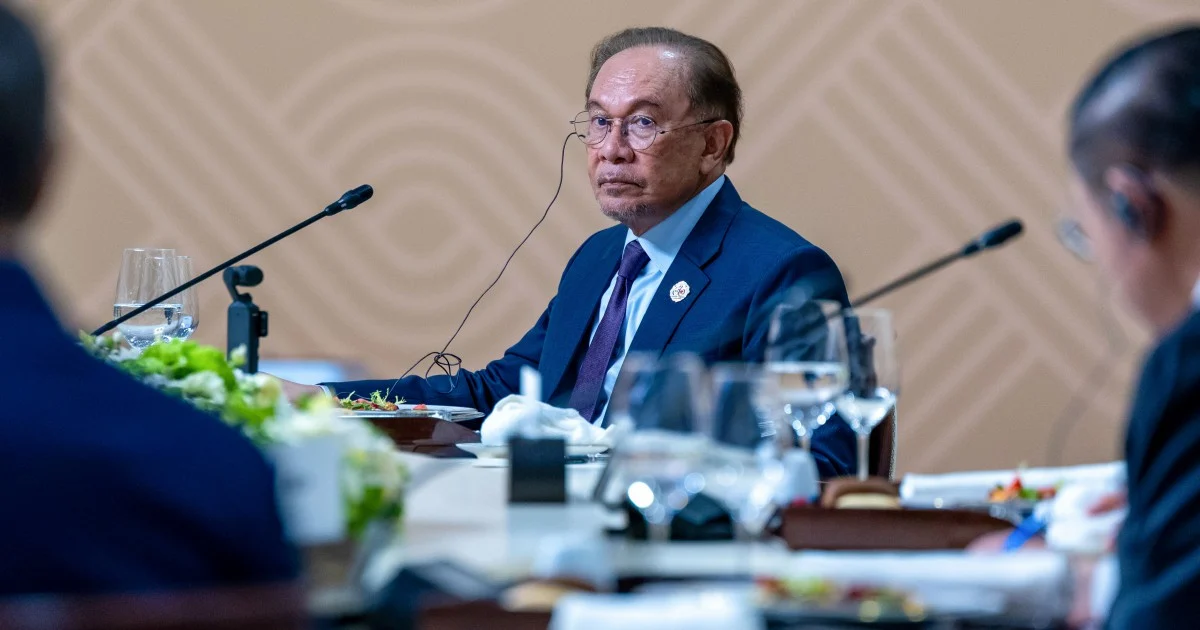
Prime Minister Datuk Seri Anwar Ibrahim has issued a pointed warning that developing nations across the world stand ready to pivot towards alternative strategic partners should European countries persist in what he characterises as unfair treatment. The statement, delivered in Kuala Lumpur, signals growing frustration among developing economies over their standing in international relations and suggests a potential realignment of diplomatic and economic alliances if current grievances remain unaddressed.
Anwar's warning comes against the backdrop of a defence-related dispute involving Norway, a Nordic nation with deep ties to Western institutions. The specifics of this disagreement underscore broader tensions between developed and developing countries over issues ranging from technology transfer and resource extraction to military cooperation and procurement standards. Malaysia, as a significant voice within the developing world and a member of various multilateral forums, frequently finds itself navigating these contentious dynamics.
The Prime Minister's remarks carry particular weight given Malaysia's own history of balancing relationships between European and non-Western partners. The country has consistently championed the interests of the Global South within international bodies and has worked to strengthen ties with nations across Asia, Africa, and the Middle East. His warning reflects a calculated diplomatic message that developing nations possess leverage and options, contrary to historical power imbalances that once left smaller economies with limited choice in their international partnerships.
The underlying issue appears rooted in what developing nations perceive as double standards applied by wealthier countries. Many developing economies complain that European nations impose stringent conditions, regulations, and restrictions when engaging with them—whether in defence transactions, environmental agreements, or development financing—while simultaneously enjoying greater flexibility in their own international dealings. These asymmetries breed resentment and create incentives for developing countries to forge alternative arrangements with partners willing to engage on more equitable terms.
China and Russia have been particularly active in offering such alternatives, extending defence cooperation, technology partnerships, and development assistance to nations feeling marginalised by Western powers. India, Vietnam, and other major developing economies have similarly expanded their international partnerships. Anwar's statement implicitly acknowledges that if European nations fail to adjust their approach, they risk being sidelined as developing countries diversify their strategic alignments toward Asia and other regions.
The Norway-related dispute mentioned by Anwar likely touches on issues common in Malaysia's own foreign relations—perhaps involving arms deals, maritime rights, resource agreements, or technology standards. Norway, despite its small population, wields disproportionate influence through its oil wealth and Arctic positioning, and has occasionally imposed conditions on developing nations regarding governance, environmental practices, or human rights that some view as paternalistic. Such friction points multiply when similar demands emanate from multiple European capitals.
For Malaysia specifically, Anwar's warning serves multiple audiences. Domestically, it demonstrates to Malaysian constituencies that the government is actively defending national interests against perceived external pressure. Regionally, it signals to fellow ASEAN nations and other developing economies that Malaysia will not tolerate inequitable treatment and that collective pressure from the Global South carries consequences. Internationally, it conveys to European capitals that maintaining productive relationships with developing nations requires a fundamental shift in how they approach engagement.
The broader geopolitical context amplifies the significance of this message. As great power competition intensifies between the West and China-led blocs, developing nations have become crucial prizes in the struggle for global influence. Countries that previously had limited bargaining power now find themselves courted by multiple suitors, dramatically altering negotiating dynamics. Anwar's statement recognises and capitalises on this transformation, reminding European nations that taking developing countries for granted carries risks.
Anwar's characterisation of potential unfair treatment suggests Malaysia and other developing nations are closely monitoring how European countries conduct bilateral and multilateral negotiations. If such treatment continues unchecked, the consequences could extend far beyond individual disputes. Developing nations might coordinate more tightly with alternative partners, create parallel institutions that bypass Western-dominated frameworks, or impose subtle diplomatic costs through reduced cooperation on issues where developed nations require emerging market support.
The statement also reflects evolving South-South diplomacy, where developing nations increasingly coordinate positions across regional and continental lines. Malaysia, as a moderate Muslim-majority nation bridging Southeast Asia, the Islamic world, and the broader developing world, occupies a unique position to articulate these concerns persuasively. Anwar's warning essentially formalises what has become diplomatic reality: the era when European nations could dictate terms to developing countries has passed.
For Malaysia's immediate interests, the warning provides negotiating leverage in any ongoing disputes with Norway or other European partners. It also reinforces Malaysia's positioning as a strong voice for developing world interests, enhancing its standing within ASEAN, the African Union, and other forums where developing nations congregate. European policymakers would be wise to interpret Anwar's words not as mere rhetoric but as a genuine statement of altered expectations for more balanced international relationships.
Moving forward, Anwar's caution appears designed to initiate a recalibration in how developed and developing nations interact. Rather than ultimatums, the statement functions as an invitation to reset relationships on fairer terms. Whether European nations heed this warning and adjust their approaches accordingly will significantly influence the trajectory of global alignments in coming years, with implications extending far beyond any single bilateral dispute.