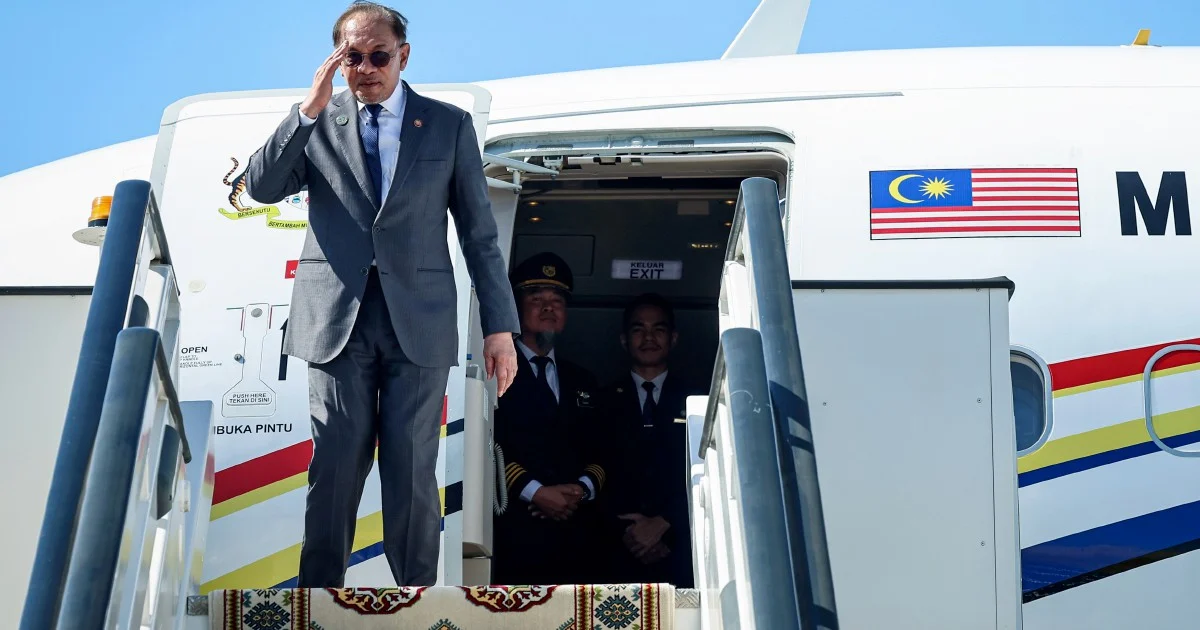
Prime Minister Datuk Seri Anwar Ibrahim has arrived in Penang, transitioning seamlessly from his official diplomatic mission to Turkmenistan into a packed schedule of domestic engagements. The timing of his arrival underscores the government's commitment to maintaining momentum on both international relations and domestic priorities, even as senior leadership manages demanding travel obligations across multiple portfolios and strategic interests.
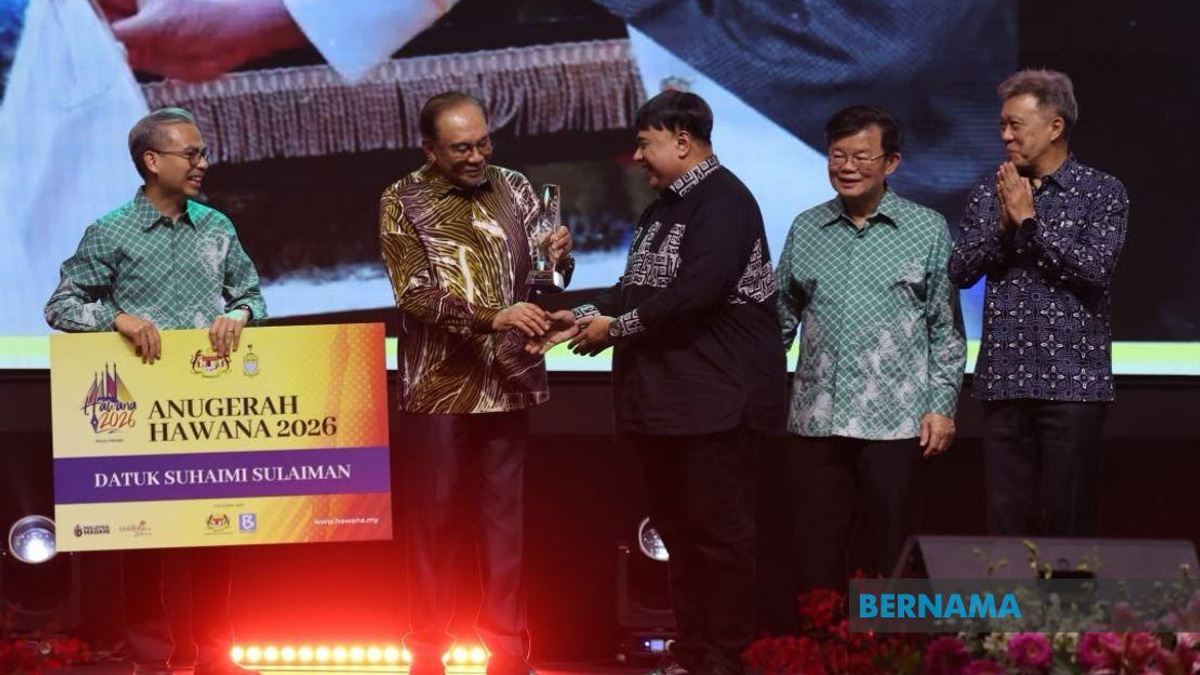
The Prime Minister touched down in Butterworth ahead of the National Journalists' Day (Hawana) 2026 grand finale, one of the nation's most significant annual gatherings for the media industry. This event represents a critical platform for recognising the contributions of Malaysia's journalism community at a time when the media landscape faces evolving challenges from digitalisation, misinformation, and economic pressures affecting traditional newsrooms. Anwar's presence signals governmental support for press freedom and the role of independent journalism in democratic governance—themes that have assumed greater prominence in Malaysia's political discourse over recent years.
The Hawana celebrations carry particular weight given the global context in which Malaysian media operates. As regional economies grapple with the transition to digital-first news consumption and social media's influence on information flows, the government's explicit endorsement of professional journalism sends an important signal to the industry about its perceived value in national discourse. For Malaysian journalists, especially those working in regional bureaus or covering business and policy matters, such high-level recognition reinforces expectations that their work contributes meaningfully to governance and public understanding.
Beyond the media event, Anwar's Penang visit encompasses a broader investment and economic development agenda. The state, which serves as a major industrial and manufacturing hub on the nation's west coast, has long been central to Malaysia's economic strategy. Penang's position as home to semiconductor fabrication, electronics assembly, and increasingly, digital economy ventures makes it a natural focus for any leadership visit aimed at bolstering investor confidence or announcing new economic initiatives. The clustering of these engagements suggests the government may be preparing announcements or policy clarifications relevant to the manufacturing and technology sectors.
The back-to-back nature of Anwar's itinerary—departing Turkmenistan and arriving in Penang within a compressed timeframe—reflects the intensity of contemporary prime ministerial duties. Turkmenistan, a Central Asian state with significant energy resources and trade partnerships, has strategic importance to Malaysia's foreign policy objectives in broader Asia. The visit likely touched on bilateral trade relations, energy security, and regional cooperation frameworks that extend Malaysia's diplomatic reach beyond Southeast Asia's immediate neighbourhood, positioning the nation as a player in broader Asian geopolitical and economic networks.
For Penang specifically, the Prime Minister's presence reinforces the state's continued relevance to national economic policy. Chief Minister Chow Kon Yeow and other state-level officials would likely use the visit to highlight Penang's contributions to federal objectives and to lobby for continued investment in infrastructure, skills development, and research facilities that the manufacturing and digital sectors require. Such visits often conclude with announcements of new projects, funding allocations, or policy adjustments benefiting the host region, creating tangible political returns for state leadership.
The convergence of media recognition and economic development in a single visit also reflects a broader governmental communication strategy. By combining the Hawana finale with investment-focused engagements, the administration demonstrates that it operates across multiple fronts—supporting cultural and professional institutions while simultaneously managing the nuts-and-bolts challenges of economic competitiveness and industrial growth. This approach attempts to project a balanced image of leadership concerned with both quality-of-life dimensions and material prosperity.
For Malaysian media practitioners attending Hawana, the Prime Minister's participation offers an opportunity for direct engagement with the nation's chief executive on matters affecting journalism's future. Questions about press freedom, the regulatory environment for news organisations, and the government's approach to online misinformation could feature prominently in interactions or formal remarks. The depth and tone of such exchanges often set the temperature for media-government relations in the months ahead, influencing editorial independence and the boldness with which newsrooms pursue investigative work.
The investment dimension of Anwar's visit carries implications for Malaysia's economic trajectory as it seeks to maintain growth amid rising global uncertainties. Penang's performance as a manufacturing and innovation centre directly influences national competitiveness metrics and employment figures that feature in government reporting and international assessments. Any initiatives announced during the visit would likely target skills gaps, infrastructure bottlenecks, or regulatory frictions that investors have flagged as impediments to expansion or new facility establishment.
Regionally, Anwar's activism in managing both diplomatic missions and domestic stakeholder engagement projects an image of a government operating with strategic focus and administrative capability. Neighbouring countries and international observers often interpret such leadership visibility as signals of regime stability and policy coherence. For investors and trading partners from within Southeast Asia and beyond, a Prime Minister visibly engaged across multiple domains suggests a government capable of executing its stated objectives and maintaining continuity in policy implementation despite the natural pressures that accompany high office.
The Penang leg of Anwar's schedule also intersects with Malaysia's broader narrative around balancing modernisation with institutional preservation. Journalism, like manufacturing, faces disruption from technological change and shifting consumer preferences. By honouring the journalism profession even as the government pursues digital economy and advanced manufacturing goals, Anwar's itinerary implicitly acknowledges that development encompasses both cutting-edge sectors and established institutions that remain vital to social and economic functioning.