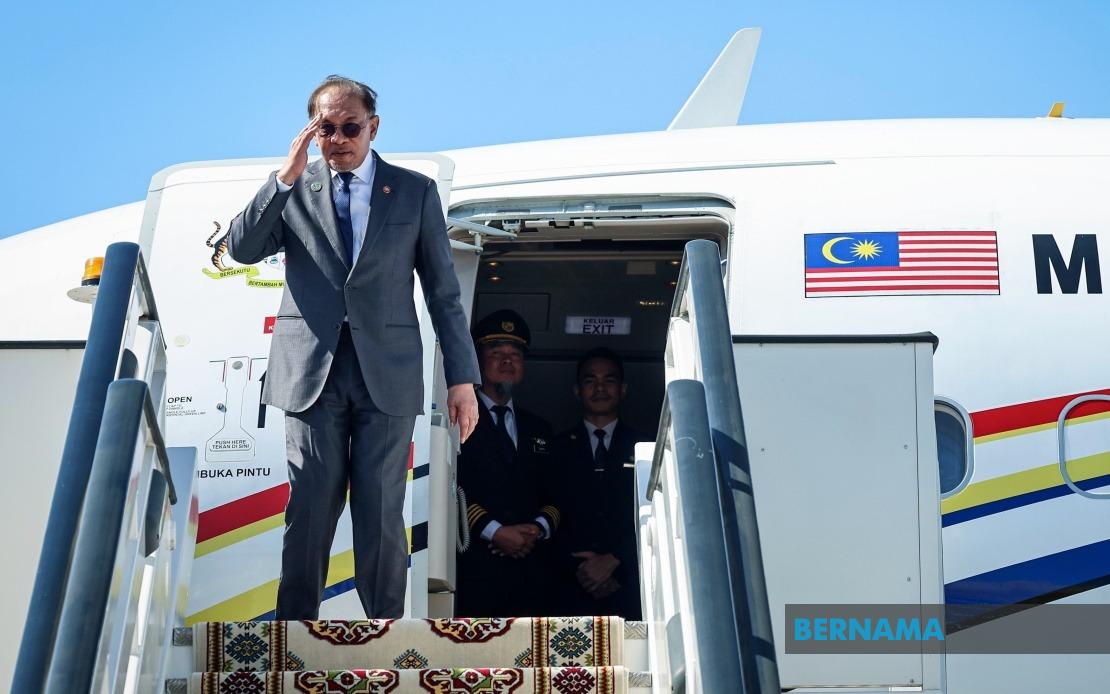
Prime Minister Datuk Seri Anwar Ibrahim concluded his official visit to Turkmenistan and arrived in Penang today to undertake a tightly scheduled day of engagements centred on industrial development and media recognition. The visit represents Anwar's first trip to the Central Asian nation since taking office as Malaysia's 10th Prime Minister in November 2022, following an invitation from President Serdar Berdimuhamedov. His delegation departed Ashgabat International Airport at 4.45 pm local time, landing in Penang to dive immediately into a series of strategic engagements that underscored the government's focus on economic expansion and honouring the nation's media community.
The Prime Minister's Penang itinerary began with the official opening of MKS Instruments Malaysia Sdn Bhd at Bandar Cassia Technology Park in Batu Kawan at 11 am, signalling continued momentum in attracting high-technology manufacturing investment to the northern corridor. MKS Instruments, a precision measurement and control systems manufacturer, represents the type of advanced industrial capability that Malaysia seeks to develop as it repositions itself within regional and global value chains. The facility opening aligns with broader initiatives to strengthen Penang's ecosystem for technology-intensive enterprises, particularly as the state competes with other regional hubs for foreign direct investment.
Following the manufacturing sector engagement, Anwar transitioned to the groundbreaking ceremony for Setia Fontaines Industrial Park at Bandar Setia Fontaines in Kepala Batas at 1 pm. This development project signals Setia's commitment to long-term economic growth across Penang and the Northern Corridor more broadly, a region that has undergone considerable transformation over the past decade. The industrial park launch carries significance beyond mere construction, as it reflects private-sector confidence in the northern region's capacity to sustain manufacturing and logistics operations. During the ceremony, Setia also unveiled two additional strategic collaborations embedded within the broader Setia Fontaines township development, demonstrating the integrated approach increasingly characterising modern industrial parks in Malaysia.
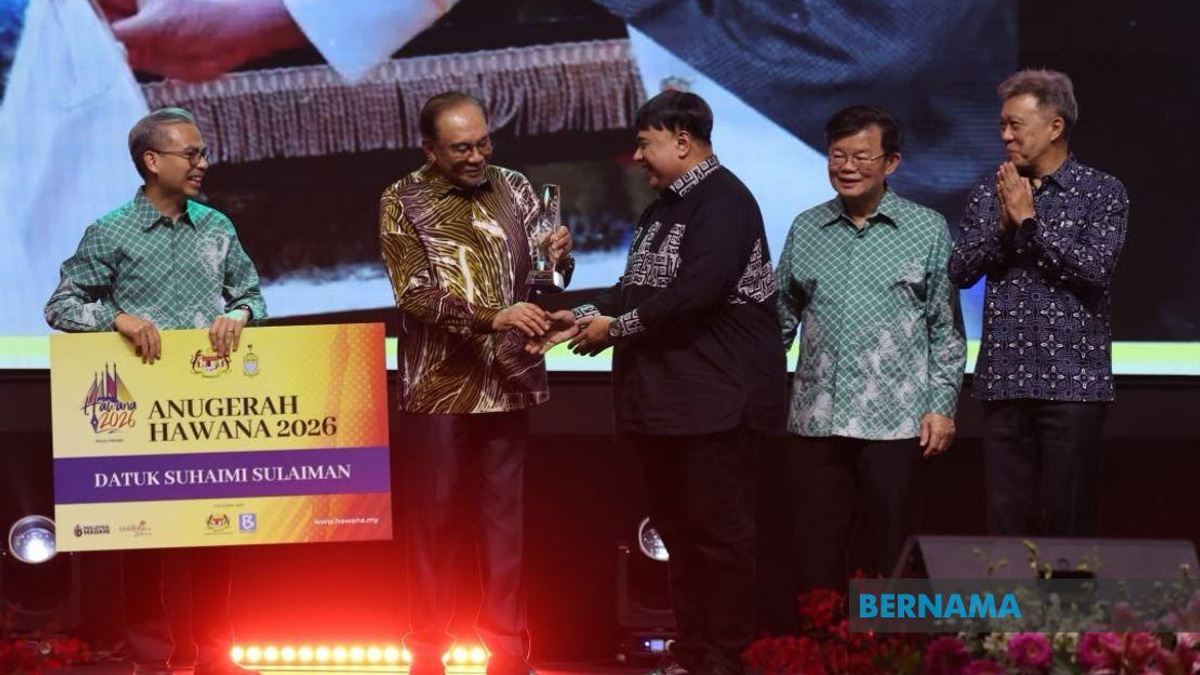
The centrepiece of Anwar's Penang schedule was attendance at the HAWANA 2026 Grand Finale at PICCA Convention Centre at Butterworth Arena at 3 pm. The event drew approximately 1,000 media practitioners from across Malaysia and internationally, reflecting the significance accorded to journalism and media professionalism in national discourse. HAWANA, organised under the Communications Ministry with Bernama as the implementing agency, serves as the premier platform through which Malaysia formally recognises the contributions, dedication and professional excellence that characterise journalism in the country. The gathering demonstrated the government's commitment to elevating media practitioners and celebrating their role in shaping public understanding and democratic discourse.
At the HAWANA ceremony, Anwar presented the coveted HAWANA Award and Special HAWANA Award to individuals who have demonstrably advanced journalism and deepened public thought through their professional endeavours. These awards acknowledge not merely journalistic output but the broader intellectual and civic contributions that distinguished practitioners bring to society. Beyond recognising achievement, the Prime Minister distributed contributions from Tabung Kasih@HAWANA, a fund supporting media practitioners facing financial difficulty. This compassionate dimension of the awards programme recognises that despite the importance of journalism, many practitioners face economic challenges that can compromise both their professional independence and personal wellbeing.
Anwar's Turkmenistan visit came immediately after his participation in the 35th ASEAN-Russia Commemorative Summit in Kazan, Russia, an engagement that underscored Malaysia's commitment to maintaining balanced relationships with major regional and global powers. He was accompanied by Investment, Trade and Industry Minister Datuk Seri Johari Abdul Ghani and Economy Minister Akmal Nasrullah Mohd Nasir, reflecting the multi-portfolio approach to international engagement in which Malaysia advances economic, trade and diplomatic interests simultaneously. The Turkmenistan visit, though brief, held potential significance given Central Asia's strategic positioning and energy resources, areas relevant to Malaysia's long-term economic interests and regional connectivity ambitions.
The packed schedule revealed the operational intensity characterising Malaysia's prime ministerial office, with Anwar simultaneously juggling international diplomacy, domestic economic development priorities and cultural recognition programmes. This multifaceted approach reflects contemporary expectations of executive leadership, where heads of government must demonstrate facility across diverse portfolios and constituencies. The Penang events, in particular, showcased the government's determination to maintain engagement with the private sector, industrial development stakeholders and the media community, constituencies that collectively influence national economic performance and democratic health.
Following completion of his Penang engagements, Anwar was scheduled to travel to Negeri Sembilan that evening to attend a dinner hosted by Himpunan Pertubuhan Lima Generasi (PLG) Malaysia, further extending his working visits across multiple states. The relentless pace exemplifies contemporary governance demands, where prime ministers must maintain visible presence across the federation while managing federal responsibilities. This geographic mobility, though demanding, carries political and strategic value in maintaining connections between central government and regional constituencies, particularly in states with significant economic contributions to the national economy.
The convergence of industrial development initiatives, journalism recognition and regional engagement within a single extended working visit encapsulates the multidimensional priorities shaping Malaysia's current governance approach. Economic development through manufacturing investment, recognition of professional excellence in media, and maintenance of international relations through high-level visits together constitute the integrated framework through which the government seeks to advance national prosperity and democratic stability. These engagements, individually modest in scope, collectively form part of a broader strategic narrative about Malaysia's positioning within an increasingly competitive regional and global landscape.