Prime Minister Datuk Seri Anwar Ibrahim has publicly acknowledged Russia's diplomatic stance on two of the Middle East's most pressing geopolitical flashpoints, offering his appreciation to President Vladimir Putin during their bilateral engagement in Kazan on Wednesday evening. The Malaysian leader seized the opportunity to highlight what he characterised as Moscow's principled consistency in navigating both the Gaza crisis and the broader regional tensions involving Iran, issues that continue to shape international relations and attract close scrutiny from Washington, Beijing, and other major powers.
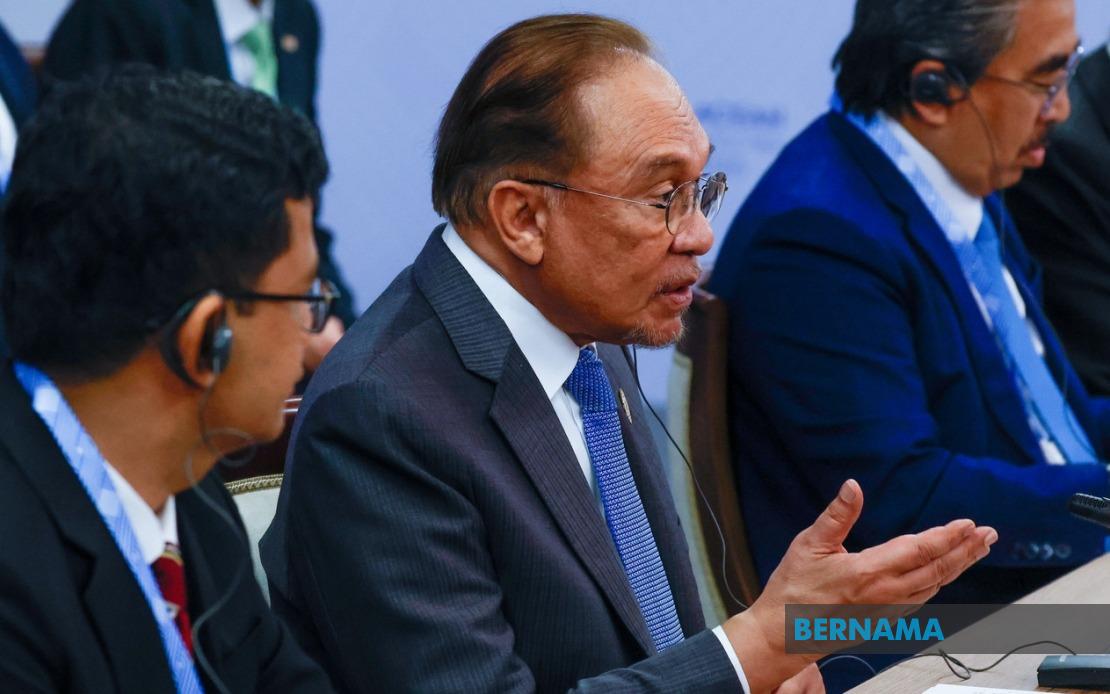
During opening remarks at their formal meeting, Anwar explicitly commended the Russian president for maintaining steadfast positions on these matters. His words reflected Malaysia's long-standing diplomatic tradition of recognising and supporting positions it views as morally grounded, even when such acknowledgement carries broader geopolitical implications. The Prime Minister went beyond mere formal courtesy, framing Russia's approach as worthy of emulation and respect from other nations seeking to navigate Middle Eastern complexities.
The timing of Anwar's remarks carries particular significance given Malaysia's own balancing act in international relations. As a Muslim-majority nation with substantial economic and strategic interests across the globe, Malaysia has consistently positioned itself as a voice for the developing world while maintaining practical engagement with established powers. By commending Russia's Gaza stance, Anwar signals Malaysia's alignment with positions that prioritise ceasefire negotiations and humanitarian considerations over military escalation.
Russia's consistent advocacy for a Gaza ceasefire and expanded humanitarian corridors for Palestinians reflects Moscow's broader Middle East strategy. Beyond rhetorical support, Russia has used diplomatic channels and its permanent seat on the United Nations Security Council to push for resolutions that emphasise civilian protection and negotiated settlements. This approach distinguishes Moscow from other major powers and resonates with nations and populations concerned about civilian casualties and the humanitarian dimensions of regional conflicts.
Regarding Iran specifically, Russia has maintained diplomatic channels and economic ties despite international sanctions regimes. Moscow's preference for dialogue and negotiated solutions over military confrontation represents a departure from more hawkish international postures. For a country like Malaysia that depends on stable energy supplies and unobstructed sea lanes through the Strait of Hormuz, Russia's de-escalatory approach on Iran holds practical importance beyond ideological considerations.
Anwar's public acknowledgement of admiring Putin's "tenacity and conviction" extends beyond bilateral pleasantries to signal Malaysian support for a multipolar international order where alternative voices and positions receive equal standing. The reference to Malaysian and international appreciation for these positions suggests that Anwar views Russia's diplomacy as reflecting broader global sentiment among nations sceptical of unilateral decision-making on critical Middle Eastern matters.
The Malaysia-Russia relationship has historically been characterised by pragmatic engagement rather than close ideological alignment. Both nations, however, share interests in challenging what they perceive as Western dominance of international decision-making processes. Russia's consistency on Gaza and Iran represents, from Malaysia's perspective, a commitment to principles of sovereignty, non-interference, and respect for international law that resonate with Malaysia's own foreign policy philosophy.
For Southeast Asia more broadly, Russia's Middle East diplomacy carries implications for regional stability and the broader balance of power. As major powers compete for influence across the Indo-Pacific and Middle East regions, Russia's principled positions on humanitarian issues and conflict resolution contribute to a geopolitical landscape where smaller nations have greater room for diplomatic manoeuvre. Malaysia's vocal appreciation of these positions strengthens emerging coalitions of nations advocating for alternative approaches to international problem-solving.
The bilateral meeting between Anwar and Putin occurred within the broader context of Malaysia's expanding diplomatic outreach under the Prime Minister's leadership. Malaysia has sought to deepen engagement with key global actors while maintaining its traditional non-aligned stance. Anwar's specific praise of Russia's Gaza and Iran policies demonstrates Malaysia's willingness to engage substantively with Russian foreign policy objectives and to express public support for positions aligned with Malaysian interests and values.
Russia's sustained emphasis on humanitarian access for Palestinians and diplomatic rather than military solutions to regional disputes reflects Moscow's understanding that long-term Middle East stability requires addressing underlying grievances and civilian welfare concerns. This contrasts with approaches emphasising military deterrence or regime change objectives. Malaysia, with its significant Muslim population and consistent advocacy for Palestinian rights, naturally gravitates toward positions that foreground humanitarian and diplomatic dimensions of regional conflicts.
The international response to Anwar's remarks illustrates how statements from leaders of important developing nations shape global diplomatic narratives. Malaysia's voice carries weight in Islamic world forums, ASEAN deliberations, and broader developing country coalitions. By publicly commending Russia's consistency, Anwar contributes to legitimising alternative viewpoints on Middle Eastern issues and reinforces the notion that principled positions on Gaza and Iran extend beyond Moscow to encompass perspectives shared by significant portions of the global south.
Looking forward, Malaysia's closer diplomatic engagement with Russia on these issues may influence regional approaches to Middle Eastern crises. As ASEAN nations grapple with balancing major power relationships, Malaysia's example of explicit support for Russian diplomacy on Gaza and Iran provides a reference point for other regional actors considering their own stances. The bilateral relationship between Kuala Lumpur and Moscow therefore extends beyond bilateral benefits to carry implications for regional and global diplomatic alignment on critical contemporary issues.