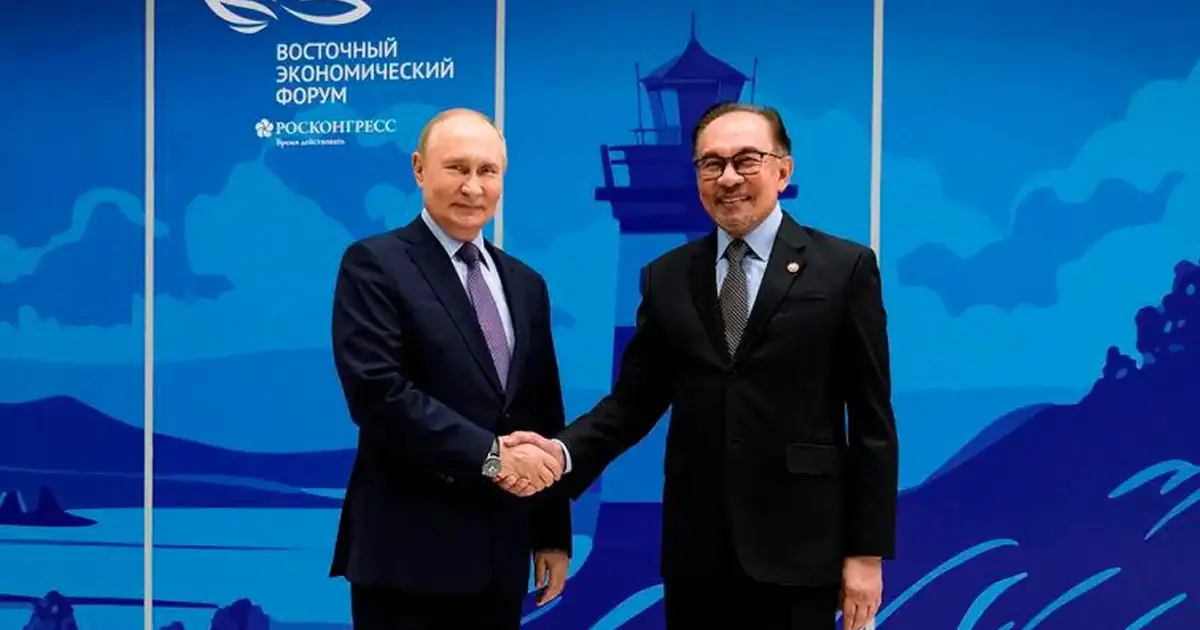
Prime Minister Anwar Ibrahim is set to embark on a working visit to Russia beginning tomorrow, where Malaysia's energy security and fuel supply challenges will feature prominently in his discussions with Russian President Vladimir Putin. The trip marks a significant diplomatic engagement aimed at strengthening bilateral ties while simultaneously advancing collective Asean interests through structured dialogue between the regional bloc and Moscow's leadership.
The visit carries particular significance given Malaysia's ongoing efforts to diversify its energy sources and secure stable fuel supplies amid volatile global markets. Anwar's decision to place fuel supply on the agenda reflects the government's commitment to addressing domestic energy concerns while exploring new partnerships that could enhance regional energy resilience. For a nation dependent on energy imports, engaging directly with major global energy producers like Russia represents a strategic approach to long-term economic stability and reducing vulnerability to market fluctuations.
Beyond bilateral negotiations, Anwar's trip will facilitate a broader Asean-Russia engagement platform. This multilateral dimension underscores Southeast Asia's diplomatic strategy of balancing relations across major powers while maintaining regional unity. The involvement of other Asean leaders in structured talks with Russian officials signals the bloc's interest in exploring cooperation mechanisms that could benefit member states across various sectors, from energy and trade to security and development.
The timing of this visit occurs within a complex geopolitical context where Southeast Asian nations carefully calibrate their relationships with global powers. Malaysia's participation in Asean-Russia forums demonstrates the region's pragmatic approach to international relations, seeking to benefit from engagement with multiple partners without compromising its strategic independence. Such diplomatic positioning has become increasingly important as regional economies navigate interconnected global challenges.
Russia's significance as a major energy exporter makes it a logical partner for Malaysia's fuel security strategy. Historical trade patterns and existing commercial ties provide a foundation for deeper energy cooperation, potentially including liquefied natural gas supplies, crude oil partnerships, or joint exploration ventures. These discussions could yield tangible outcomes that help stabilize Malaysia's energy costs and supply chains, directly benefiting consumers and businesses across the nation.
For Malaysian readers, the implications extend beyond government-level dealings. Energy security directly impacts electricity costs, transportation expenses, and manufacturing competitiveness. By securing alternative energy sources and establishing reliable partnerships with major producers, the government aims to insulate domestic industries and households from sudden price shocks that could trigger broader economic disruptions. This forward-looking approach reflects lessons learned from previous energy crises that affected regional economies.
The Asean-Russia framework discussed during this visit also positions Southeast Asia as an important player in global energy geopolitics. Rather than being passive consumers of global energy markets, the grouping seeks active participation in shaping supply chains and negotiating favorable terms. Malaysia's leadership in raising these issues contributes to Asean's collective voice in international forums, enhancing the bloc's influence on matters affecting its members' development and prosperity.
Geopolitically, engagement between Asean and Russia serves mutual interests in maintaining stable regional dynamics. For Russia, constructive relations with Southeast Asian nations provide avenues for economic cooperation and diplomatic outreach during periods of international tension. For Asean, dialogue with Moscow offers opportunities to reinforce principles of peaceful resolution of disputes and inclusive regional architecture that do not exclude major powers.
The working visit format indicates that substantive discussions are anticipated beyond ceremonial engagements. Aides and technical experts accompanying Anwar will likely negotiate specific arrangements regarding fuel supplies, pricing mechanisms, payment terms, and long-term procurement agreements. These operational-level discussions often prove more consequential than high-level political rhetoric, determining actual benefits that flow to Malaysia from international partnerships.
For Southeast Asia more broadly, Malaysia's initiative in engaging Russia on energy matters contributes to the region's broader diversification strategy. As global energy markets transition and geopolitical pressures mount on traditional suppliers, developing robust relationships with multiple producers reduces dependency risks. This hedging approach reflects mature economic thinking that recognizes the interconnections between energy security, economic growth, and regional stability.
The success of Anwar's Russia visit will ultimately be measured not merely by diplomatic courtesies but by concrete agreements that address Malaysia's fuel supply challenges. Whether discussions yield binding commitments for LNG shipments, crude oil deliveries, or technical cooperation in energy infrastructure remains to be seen. However, the signal that Malaysia actively seeks diversified energy partnerships and is willing to engage major powers demonstrates proactive leadership on an issue of fundamental importance to the nation's economic welfare.
As Malaysia continues navigating the complexities of regional diplomacy and global energy markets, visits like these serve essential functions in maintaining dialogue, exploring cooperation possibilities, and advancing national interests. The Russia visit represents one element of a comprehensive approach to securing Malaysia's energy future while contributing meaningfully to Asean's collective diplomatic objectives in an increasingly multipolar world.