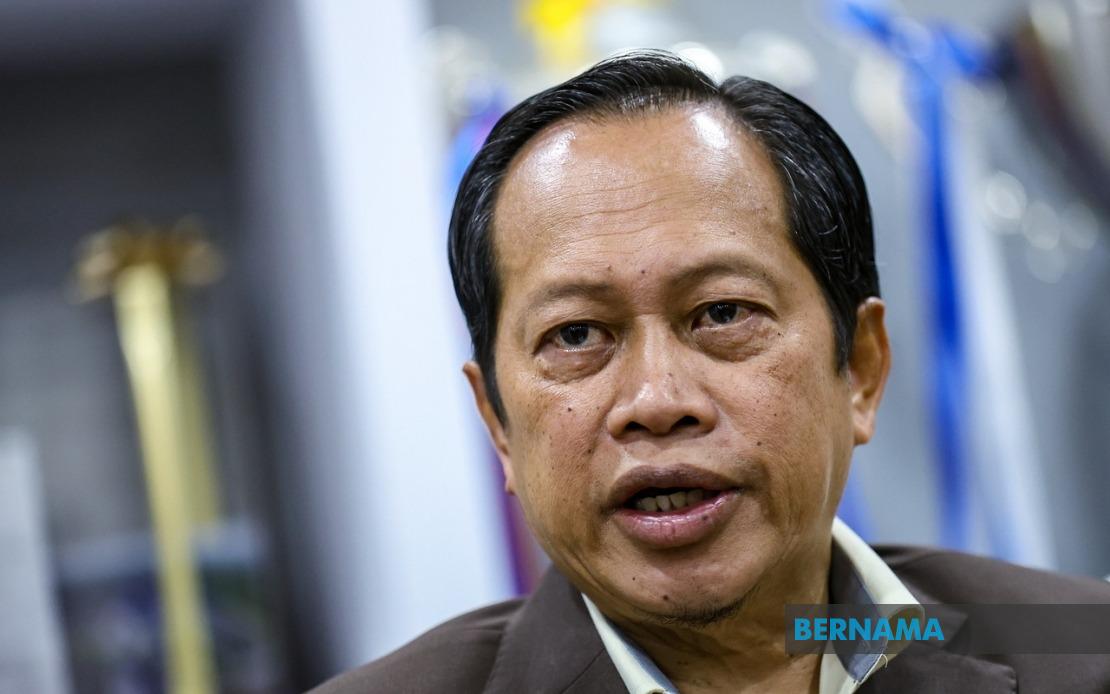
Datuk Seri Dr Ahmad Maslan, the Deputy Works Minister and Johor Barisan Nasional deputy chairman, has definitively ruled out participation in the forthcoming Johor state election despite widespread political speculation linking him to multiple state constituencies. Speaking following a working engagement at the Johor Public Works Department in Iskandar Puteri on June 15, Ahmad clarified that he has formally notified party leadership of his decision to remain sidelined from the electoral contest.
The Pontian Member of Parliament explicitly dismissed rumours connecting him to two state seats within his parliamentary district: Benut and Pulai Sebatang. By stepping aside from potential candidacy in these constituencies, Ahmad emphasised his conviction that emerging political talent within Barisan Nasional and UMNO should be afforded greater opportunity to pursue elected office at state level. This calculated withdrawal reflects broader party considerations regarding candidate succession and grassroots representation in an increasingly competitive electoral landscape.
Despite opting out of direct electoral participation, Ahmad has signalled his intention to remain a significant player in the coalition's campaign machinery throughout the state election cycle. The seasoned politician plans to leverage his federal position and political capital to mobilise support for Barisan Nasional and UMNO candidates contesting across Johor, effectively shifting his contribution from personal electoral advancement to collective party victory objectives.
The Election Commission has formally scheduled the 16th Johor state election for July 11, with nomination proceedings occurring on June 27 and early voting opportunities made available on July 7. This compressed electoral calendar provides limited time for campaigning and constituency-level organising, making senior figures like Ahmad increasingly valuable as campaign coordinators and endorsement figures rather than individual candidates managing their own contests.
Ahmad's decision carries particular significance given his standing as both a federal minister and influential voice within Johor's UMNO establishment. His withdrawal from the electoral arena removes one prominent incumbent from the candidate pool, potentially clearing pathways for younger or less-established party members to secure nomination for competitive seats. This generational realignment, whether intentional or circumstantial, could reshape Johor's state assembly composition following voting.
The Pontian constituency itself remains strategically important for Barisan Nasional's Johor operations, serving as a federal-level anchor for broader coalition performance in the southern state. Ahmad's continued attention to this parliamentary seat while abstaining from state-level contests suggests a calculated division of effort, maintaining his presence at federal level whilst allowing state representatives greater autonomy in their respective assemblies. This separation of federal and state political responsibilities reflects evolving coalition strategies in managing multiple electoral layers.
For Malaysian political observers, Ahmad's move exemplifies how senior federal politicians increasingly balance personal political ambitions against party organisational requirements and broader coalition strategy. The decision to voluntarily step back from electoral contention, particularly when holding ministerial rank, remains relatively uncommon in Malaysian politics, where office-holders frequently pursue candidacy at multiple governmental tiers simultaneously.
The broader Johor political context frames Ahmad's announcement within intensifying competition between the ruling coalition and opposition alliances seeking to capitalise on dissatisfaction or complacency. Any significant shift in Barisan Nasional's candidate roster, whether through voluntary withdrawal or enforced deselection, potentially affects the coalition's capability to defend its traditional strongholds against increasingly organised opposition movements. Ahmad's public commitment to supporting party candidates through non-electoral means may represent an attempt to maintain influence and relevance whilst avoiding the risks inherent in personal electoral participation.
Across Southeast Asia, senior politicians' decisions regarding electoral participation often signal deeper shifts in party leadership dynamics, succession planning, and strategic repositioning. Ahmad's withdrawal from Johor state candidacy, coupled with his ministerial responsibilities in Kuala Lumpur, reflects a particular career trajectory privileging federal influence over state-level elected office. This prioritisation mirrors patterns observed in several neighbouring democracies where senior figures consolidate power at national or federal levels rather than dispersing political capital across multiple electoral contests.
The weeks preceding July 11 will demonstrate whether Ahmad's behind-the-scenes campaigning and mobilisation efforts effectively translate into electoral advantages for Barisan Nasional candidates in Johor. His availability for campaign events, fundraising activities, and endorsement responsibilities potentially provides measurable value to party candidates lacking comparable federal platforms or ministerial connections. The subsequent election results will reveal whether Ahmad's strategic retreat from personal candidacy enhances overall coalition performance in Malaysia's crucial southern state.


