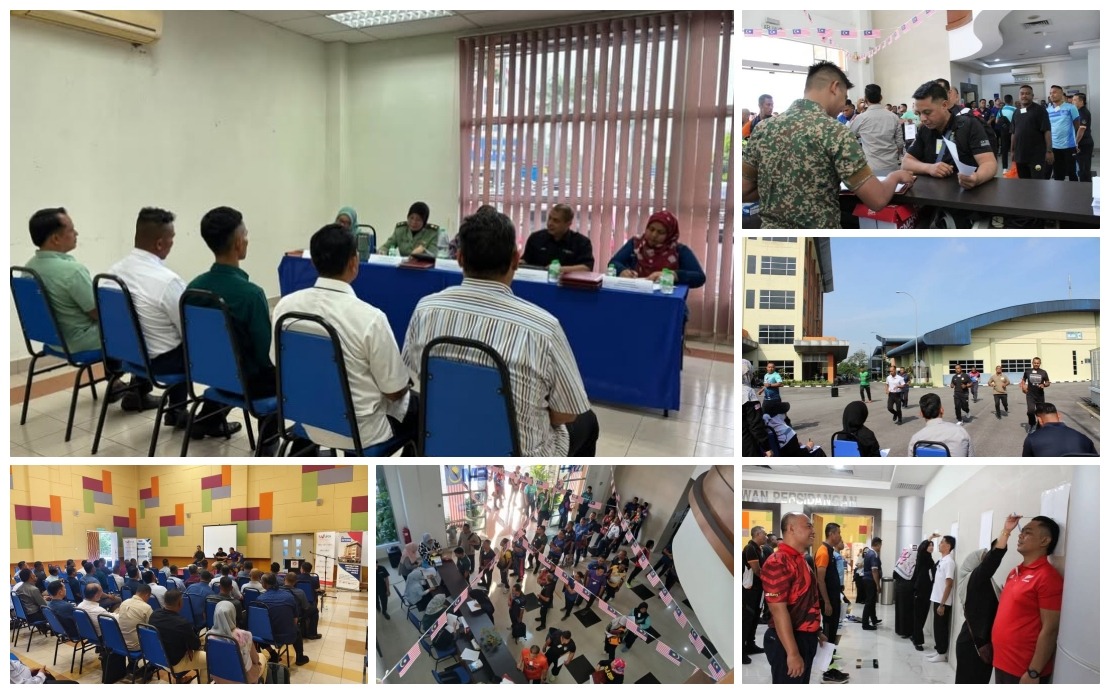
A significant recruitment drive for Malaysia's MARA Junior Science Colleges (MRSM) has advanced to its final selection phase, with 147 former military personnel completing rigorous physical interview sessions this week. The assessments took place on consecutive days at the MARA Food Technology Incubator in Kepong, representing a major milestone in the institution's effort to strengthen residential college management across the country. MARA Chairman Datuk Dr Asyraf Wajdi Dusuki disclosed the development through an official announcement, underscoring the competitive nature of the selection process and the calibre of candidates being considered for these critical roles.
The recruitment pathway reflects a deliberate two-stage filtering mechanism designed to identify the most suitable individuals for warden duties. Before reaching the physical interview stage, all 147 candidates had navigated two preceding phases of online screening, demonstrating their initial qualifications and suitability for the position. This multi-tiered approach ensures that only genuinely committed and capable former military officers progress toward final appointment, reducing the likelihood of mismatches between role expectations and individual capabilities. The progression rates suggest a thorough vetting process that takes institutional needs seriously.
The physical assessment component itself comprises three distinct evaluation areas that collectively measure both fitness and temperament. Candidates undergo Body Mass Index screening to establish baseline health standards, complete the Bleep Test to assess cardiovascular endurance and physical capacity, and participate in face-to-face interviews where assessors evaluate interpersonal skills, leadership potential, and philosophical alignment with MARA's educational mission. This multifaceted approach moves beyond simple fitness metrics to evaluate whether candidates can fulfill the complex social and educational responsibilities inherent to warden work.
Datuk Dr Asyraf Wajdi articulated a vision of warden roles that extends significantly beyond conventional discipline enforcement. Rather than viewing wardens primarily as enforcers, MARA conceptualises them as educational partners who must embody and actively transmit the institution's foundational philosophy to resident students. This perspective elevates the warden position from a security-focused function to one requiring genuine pedagogical commitment and the capacity to model values, intellectual curiosity, and ethical comportment. The successful candidates will serve as role models and mentors whose presence shapes the residential experience and overall developmental trajectory of MRSM students.
The characterisation of wardens as "second mothers and fathers" reflects an understanding that residential colleges serve developmental purposes beyond classroom instruction. These individuals inhabit shared living spaces with students, becoming sources of guidance during formative years when young people navigate academic pressures, social challenges, and identity questions. This characterisation emphasises emotional intelligence, empathy, and genuine investment in student welfare rather than merely enforcing rules from a distance. The selection criteria should therefore identify individuals capable of this emotionally demanding work.
A critical motivation underlying this recruitment initiative focuses on prevention and creation of healthier residential environments. Datuk Dr Asyraf Wajdi identified three interconnected concerns—bullying culture, disciplinary misconduct, and broader social ills—that effective warden leadership could meaningfully address. By positioning wardens as preventive figures rather than reactive enforcers, MARA seeks to foster environments where problematic behaviours become less likely to emerge in the first place. This proactive stance recognises that early intervention and positive role modelling prove more effective than punitive responses to established problems.
The newly appointed wardens are scheduled to commence duties on July 1, suggesting that MARA coordinated this recruitment timeline carefully to ensure continuity in residential leadership at the beginning of the academic calendar. This timing allows newly inducted wardens adequate opportunity to familiarise themselves with their respective institutions, meet student cohorts, and establish the relational foundations necessary for effective mentorship before major academic pressures intensify. The transition period of approximately two weeks from final selection decisions to duty commencement represents a reasonable adjustment window.
Parallel to the male recruitment cohort, MARA indicated that 162 female former military personnel would participate in identical physical interview sessions during the following week. This gender-balanced approach reflects modern institutional practices and recognises that female wardens bring invaluable perspectives and capabilities to residential environments serving student populations of both genders. The comparable recruitment scale for female candidates suggests MARA's commitment to equitable representation in these influential positions rather than treating female recruitment as supplementary.
For Malaysian readers, this development carries broader implications for the quality of tertiary education delivery beyond classroom settings. MRSM colleges have historically served as pathways for talented students from diverse socioeconomic backgrounds to access elite science-focused education, and the residential experience significantly influences their developmental outcomes. By recruiting from former military ranks, MARA taps into a pool of individuals accustomed to hierarchical structures, discipline, and group management while seeking those capable of transcending authoritarian approaches toward mentoring roles. The selection standards being applied may establish benchmarks that other Malaysian residential institutions could usefully adopt.
The recruitment initiative also reflects growing recognition that boarding school environments require specialist expertise in youth development, mental health awareness, and conflict resolution rather than generic security personnel. Former military backgrounds provide relevant experience in managing group dynamics and maintaining order, yet the emphasis on embodying MARA's educational philosophy suggests a deliberate evolution beyond militaristic models. This recalibration acknowledges that effective residential education requires psychological sophistication and genuine commitment to student development alongside the organisational capabilities that military training provides.
From a Southeast Asian perspective, Malaysia's investment in strengthening residential college leadership occurs within a broader regional context where many nations similarly grapple with ensuring student safety, wellbeing, and development in boarding environments. The comprehensive selection methodology employed by MARA may offer relevant insights for counterpart institutions across the region facing analogous challenges. The emphasis on philosophical alignment and developmental capacity rather than purely technical competencies represents a pedagogically mature approach that could inform recruitment practices elsewhere.