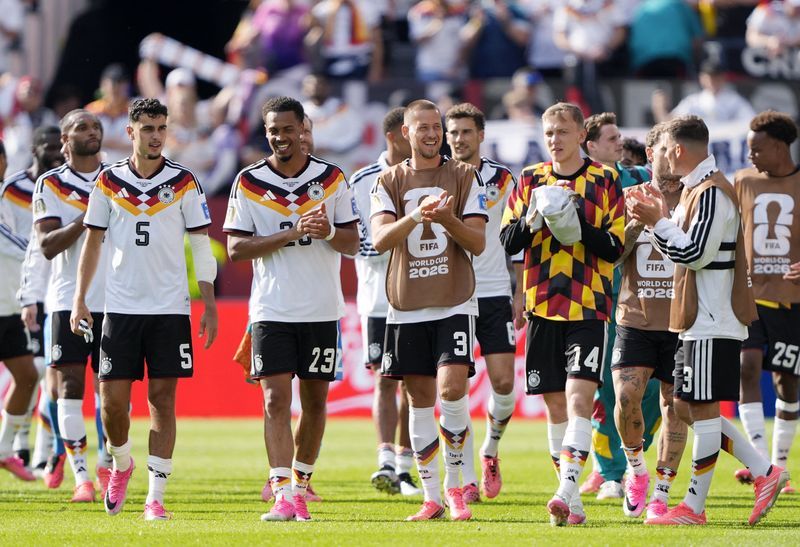
Germany staged a dramatic second-half turnaround to defeat Ivory Coast 2-1 in their Group E encounter on Saturday, finally breaking through after a frustrating opening period to secure their berth in the World Cup knockout rounds. The result represents a crucial milestone for the Germans, who now advance to the last 32 for the first time since clinching the tournament title in 2014. Substitute Deniz Undav proved the decisive factor, converting twice after the interval to overturn an early deficit and keep Germany's campaign alive with genuine momentum.
The match unfolded as a captivating contest between two footballing philosophies. Germany's measured, possession-based approach clashed with Ivory Coast's vibrant attacking tempo, creating an entertaining spectacle that kept both sides engaged throughout. The West Africans seized the initiative early, capitalising on a moment of German vulnerability when midfielder Franck Kessie finished a rebound in the first half. The goal had originated from a whipped cross by Yan Diomande down the left flank, with Amad Diallo's shot setting up the opportunity that Kessie ruthlessly converted past goalkeeper Yahia Fofana.
Germany's first-half experience proved deeply frustrating despite dominating possession and generating numerous attacking opportunities. Coach Julian Nagelsmann's side attempted eight shots on goal before the interval, yet found themselves trailing at the break due to two controversial officiating decisions. Midfielder Aleksandar Pavlovic thought he had restored parity when he rose above the crowd from a short corner routine in the 25th minute, only to see the referee penalise him for a foul on Ivory Coast's goalkeeper. The decision visibly stunned Pavlovic, whose hands flew to his head in exasperation, while the partisan crowd of over 100,000 German-descended supporters at the venue expressed their displeasure loudly. Matters worsened moments later when Jamal Musiala's finish was similarly disallowed following a review that determined he had committed a foul during the build-up.
Deniz Undav's introduction from the bench transformed Germany's trajectory in the second period. The versatile forward struck with a composed volley in the 68th minute, executing a controlled finish that levelled the match and injected genuine belief into the German ranks. His second goal arrived mere minutes later, arriving to a pass on the turn before executing a brilliant swivel and strike that left goalkeeper Fofana powerless. The brace extended Undav's recent form to nine goals across his last eight matches, highlighting his status as a crucial asset for Nagelsmann's squad during this tournament phase.
Ivory Coast mounted resistance through their attacking prowess, demonstrating the dynamic brand of football that has become their hallmark. Simon Adingra fashioned a promising opportunity late in the contest but failed to unleash a shot within the penalty area as the German defence tightened when required. The West Africans' attacking fluency was nonetheless evident, and their ability to score in seven consecutive tournament matches represents the longest such streak in their World Cup history. This impressive record underscored their capacity to trouble even well-organised European sides, though ultimately Undav's clinical finishing proved the difference.
Germany's progression carries particular significance for Southeast Asian football followers, as it showcases the resilience and adaptation required to succeed at football's highest level. The Germans' capacity to absorb pressure, maintain structural discipline, and utilise tactical substitutions effectively offers instructive lessons for developing football nations. Moreover, the match highlighted how momentum, timing, and individual quality can overturn early setbacks—a narrative applicable across all football cultures.
With six points accumulated and progression secured, Germany now top Group E standings and advance with relative comfort into the knockout phase. Ivory Coast, meanwhile, remain on three points after two matches, facing a critical encounter against Curacao in Philadelphia. The West Africans' tournament trajectory depends significantly on their ability to execute opportunities more decisively and convert the attacking chances their progressive style generates.
Germany will conclude their group campaign against Ecuador on Thursday in New Jersey, while Ivory Coast face Curacao in Philadelphia simultaneously. Ecuador and Curacao contest their own fixture later on Saturday in Kansas City. These remaining fixtures will determine the final group composition and potential knockout seeding, with implications rippling through the entire tournament structure. For German supporters and analysts across Asia, Undav's performance represents an encouraging sign that Nagelsmann's squad possesses the quality and temperament required to mount a serious campaign during the knockout stages.
The victory also validates Germany's strategic approach of maintaining possession while patiently seeking openings, rather than abandoning their philosophical principles when early setbacks emerged. This disciplined approach, combined with decisive action through substitutions and clinical finishing, represents the balanced formula that successful World Cup campaigns require. As the tournament progresses, Germany's ability to maintain this equilibrium while adapting to individual opponents will prove crucial to their ultimate ambitions.
%22%2F%3E%3C%2Fpattern%3E%3C%2Fdefs%3E%3Crect%20width%3D%22100%25%22%20height%3D%22100%25%22%20fill%3D%22url(%23ph49f10g)%22%2F%3E%3Crect%20width%3D%22100%25%22%20height%3D%22100%25%22%20fill%3D%22url(%23ph49f10p)%22%2F%3E%3Ctext%20x%3D%2250%25%22%20y%3D%2250%25%22%20text-anchor%3D%22middle%22%20dominant-baseline%3D%22central%22%20fill%3D%22rgba(255%2C255%2C255%2C0.95)%22%20font-family%3D%22Georgia%2C%20'Times%20New%20Roman'%2C%20serif%22%20font-weight%3D%22700%22%20font-size%3D%22226%22%20letter-spacing%3D%22-0.02em%22%3EExists%3C%2Ftext%3E%3C%2Fsvg%3E)
%22%2F%3E%3C%2Fpattern%3E%3C%2Fdefs%3E%3Crect%20width%3D%22100%25%22%20height%3D%22100%25%22%20fill%3D%22url(%23ph4a4w5g)%22%2F%3E%3Crect%20width%3D%22100%25%22%20height%3D%22100%25%22%20fill%3D%22url(%23ph4a4w5p)%22%2F%3E%3Ctext%20x%3D%2250%25%22%20y%3D%2250%25%22%20text-anchor%3D%22middle%22%20dominant-baseline%3D%22central%22%20fill%3D%22rgba(255%2C255%2C255%2C0.95)%22%20font-family%3D%22Georgia%2C%20'Times%20New%20Roman'%2C%20serif%22%20font-weight%3D%22700%22%20font-size%3D%22272%22%20letter-spacing%3D%22-0.02em%22%3ETrump%3C%2Ftext%3E%3C%2Fsvg%3E)