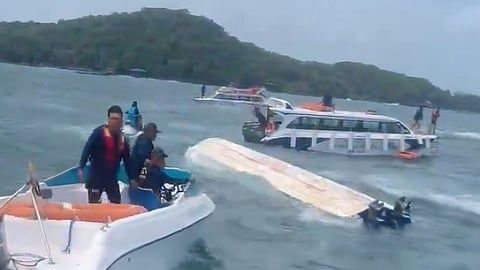
A tragic maritime accident in southern Vietnam claimed the lives of 15 Indian tourists when a speedboat overturned near Phu Quoc Island on Saturday. The vessel, which carried 32 Indian visitors and four crew members, capsized approximately 400 metres from Hon May Rut Ngoai Island, located south of Phu Quoc, the country's largest island situated in the Gulf of Thailand. The incident has drawn attention to safety practices in one of Southeast Asia's most visited tourist destinations.
Rescue operations began swiftly after the boat went down, with nearby vessels responding immediately to pull survivors from the water. However, the rescue proved challenging because numerous passengers remained trapped within the submerged vessel, hindering extraction efforts. State media reports indicate that once professional rescue teams including border guards, naval personnel, and coast guard units arrived at the scene, they worked to recover bodies and locate additional survivors in the waters surrounding the capsized boat.
Of the 36 people aboard, rescue workers successfully pulled 21 individuals from the sea. All 15 victims were subsequently recovered from the water, while the injured survivors received treatment at nearby hospitals. The precise medical condition of those rescued remains unclear from initial reports, though authorities have indicated that multiple people sustained injuries requiring hospitalisation.
Phu Quoc represents one of Vietnam's premier beach resort destinations, attracting millions of visitors annually from across Asia and beyond. The island's reputation rests on its pristine white-sand beaches, crystalline waters, and well-developed tourism infrastructure. Hon May Rut Island, situated roughly 10 kilometres south of Phu Quoc, shares these characteristics and forms part of the region's established maritime tourism circuit, with regular excursion boats ferrying both domestic and international guests to explore its natural attractions.
For Indian tourists, Vietnam has become an increasingly popular destination over the past decade, with direct flight connections from major Indian cities and growing travel packages marketed through regional travel agencies. The Phu Quoc area particularly appeals to visitors seeking beach holidays combined with island-hopping adventures. This incident underscores the inherent risks associated with maritime tourism in tropical regions, where weather conditions can shift rapidly and rescue infrastructure, though present, may not always prevent tragedy.
The cause of the capsizing remains under investigation, with authorities yet to identify whether mechanical failure, rough seas, overcrowding, or operator error contributed to the disaster. The fact that the vessel carried four crew members alongside 36 passengers warrants scrutiny regarding vessel capacity, weight distribution, and adherence to maritime safety regulations. Vietnamese maritime authorities will likely examine whether proper safety equipment, including life jackets for all passengers, was aboard and properly utilised.
This tragedy has implications for tourism safety standards across Southeast Asia more broadly. Regional governments have faced growing pressure to strengthen maritime safety protocols following several high-profile boat incidents in recent years. Countries including Thailand, Philippines, and Indonesia have grappled with similar challenges in balancing tourism revenue with passenger safety in their own island and coastal tourism sectors.
The incident also raises questions about how Vietnamese authorities oversee private tour operators managing speedboat excursions. Many regional destinations rely heavily on tourism revenue, which can create tension between economic incentives and rigorous enforcement of safety standards. Investigations into such accidents often reveal systemic issues rather than isolated operator negligence, prompting calls for comprehensive regulatory reviews.
For Malaysian readers and the broader region, this accident serves as a reminder of the importance of thoroughly vetting tourism operators before booking island excursions. Established operators with verifiable safety records, visible life-jacket provision, and transparent crew qualifications present significantly lower risk than unregulated alternatives that may prioritise volume over passenger welfare. The incident will likely influence how tourist agencies in Malaysia and neighbouring countries present Vietnamese marine tourism offerings to clients.
Vietnam's tourism ministry will face pressure to demonstrate that it takes passenger safety seriously, potentially through enhanced training requirements for crew, stricter vessel maintenance schedules, and more rigorous capacity regulations. The timing of investigations and any resulting policy changes will be closely watched by regional tourism stakeholders and international traveller communities.
International attention to maritime safety in Vietnam's tourism sector may accelerate adoption of best practices observed in more heavily regulated jurisdictions. Technology such as real-time weather monitoring systems, modern communication equipment, and passenger tracking have proven effective in reducing tourism-related maritime incidents globally, yet implementation varies significantly across Southeast Asian operators.

