Beijing police have dismantled a sprawling health centre fraud operation that defrauded more than 100 senior citizens of approximately 10 million yuan, equivalent to US$1.5 million, through an elaborate scheme involving fake medical expertise and doctored intestinal cleansing procedures. The discovery came to light when the family of a woman surnamed Li uncovered her staggering expenditure of 700,000 yuan at the clinic, prompting authorities to launch an investigation that ultimately led to the arrest of more than 30 suspects accused of orchestrating the elaborate con.
The mechanics of the fraud reveal a sophisticated operation designed specifically to exploit the vulnerabilities of elderly people. What began as an innocuous transaction—Li purchased a 38-yuan foot massage voucher—evolved into a carefully orchestrated manipulation campaign. The clinic staff cultivated a relationship of seemingly genuine care, remembering personal details such as birthdays and demonstrating attentiveness that many seniors felt was missing from their own family dynamics. This emotional investment became the foundation upon which increasingly expensive treatments were sold, with individual sessions priced at tens of thousands of yuan each.
The psychological manipulation extended beyond simple customer service tactics. When Li eventually exhausted her financial resources and contemplated discontinuing treatment, clinic employees pressured her to liquidate personal assets, pressuring her to pawn a golden bracelet while framing the transaction in terms of her health priorities. The narrative imposed by staff suggested that monetary concerns were trivial compared to medical necessity—a powerful emotional lever that exploited both her fears about health and her emotional investment in the clinic's supposed experts.
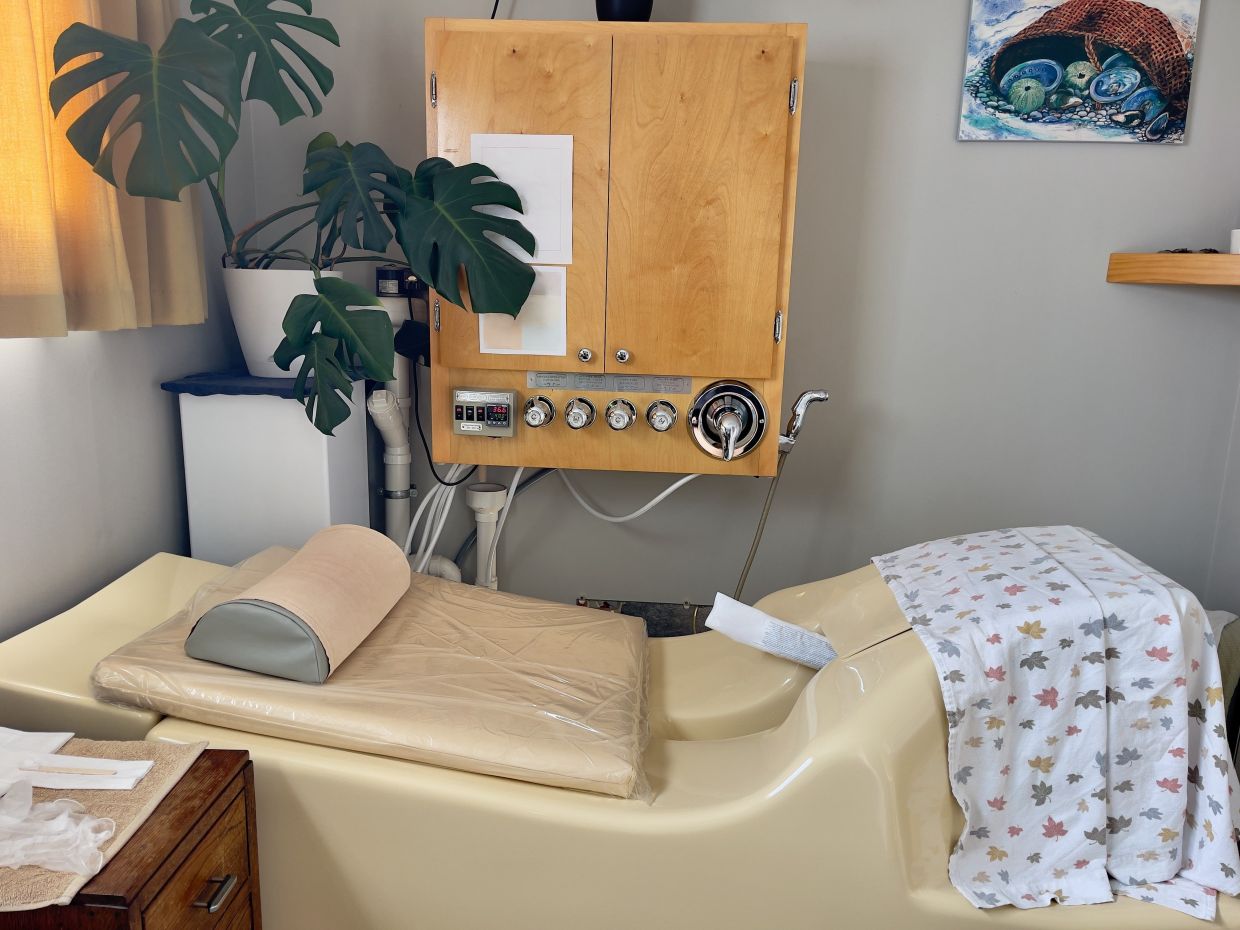
The deceptive foundation of the entire scheme centred on fraudulent medical examinations and intestinal cleansing procedures. Staff members posing as qualified medical professionals would conduct free consultations at senior centres and other locations frequented by older adults, diagnosing non-existent or exaggerated illnesses requiring prolonged, expensive treatment regimens. To substantiate their alarming diagnoses, the fraudsters performed intestinal cleanses and deliberately added dark soy sauce—a common culinary condiment used for colouring food—to the cleansing liquid. This visual manipulation created a powerful illusion that the seniors' bodies were expelling dangerous toxins, lending credence to the false medical narratives and justifying continued expensive interventions.
The targeting methodology reveals how deliberately predatory the operation had become. Police investigations identified that the criminals specifically sought affluent elderly individuals living alone or those experiencing emotional isolation despite having adult children in their lives. The perpetrators systematically visited senior centres and gathering places where older adults congregated, offering free medical assessments designed to identify and exploit vulnerable populations. This selection process transformed the fraud into something more calculated than opportunistic—it was a precision operation targeting those least likely to have immediate family oversight or the emotional support networks to question the clinic's recommendations.
The scale of the criminal enterprise extended far beyond a single location. Police discovered that more than 20 facilities operating across multiple Beijing districts were part of the coordinated fraudulent network, all masquerading as legitimate health centres. This geographic distribution and operational coordination indicates a large-scale organized fraud gang rather than isolated criminal behaviour, suggesting established hierarchies, shared operational procedures, and systematic training of staff in manipulation techniques. The aggregate turnover exceeded 30 million yuan, a figure described by authorities as abnormally high for legitimate health centre operations, with at least one individual victim alone spending more than 2 million yuan.
The vulnerability of China's elderly population to such schemes reflects broader demographic and social realities that carry implications for Southeast Asia more broadly. China currently has 323 million people aged 60 and above, representing 23 per cent of the total population. Within this demographic, approximately 60 per cent are classified as empty-nesters—seniors either without children or with adult children living in separate locations. This demographic reality creates conditions of emotional isolation and reduced family oversight that criminals actively exploit through targeted fraud schemes.
The implications for Malaysia and other Southeast Asian nations warrant serious consideration as these regions experience similar demographic transitions. As populations age and mobility increases, creating greater geographical separation between elderly parents and adult children, the conditions enabling such scams become increasingly prevalent. Malaysian authorities should recognize that the vulnerability factors identified in the Beijing case—emotional loneliness, reduced family oversight, and lack of immediate social support networks—are increasingly present in Malaysian society as urbanization and migration patterns reshape family structures.
The regulatory landscape surrounding health and wellness services in China appears to have allowed such operations to flourish with insufficient oversight. Industry observers have highlighted that the proliferation of health centres making dubious health claims and distributing free promotional items to attract vulnerable customers represents a systemic problem requiring urgent regulatory intervention. The absence of adequate licensing verification, qualifications checking for supposed medical professionals, and monitoring of marketing practices enabled the criminals to operate openly while targeting seniors with sophisticated manipulation techniques.
The investigation's success, while welcome, underscores the difficulty of prevention. Police response occurred only after substantial financial damage had accumulated, following the initiative of family members rather than through systematic regulatory monitoring. This reactive approach suggests that authorities throughout the region should consider more proactive measures, including consumer education campaigns specifically targeting seniors about common fraud schemes, stricter licensing requirements for health service providers, and mandatory verification systems for claimed medical qualifications.
Malaysian families should take note of the warning signs evident in this case. Sudden pressure to pursue expensive treatments, claims requiring rapid decision-making, and suggestions to liquidate assets warrant careful scrutiny. Establishing regular contact with elderly relatives, involving them in major financial decisions, and maintaining awareness of any new health treatments they pursue can provide crucial protective oversight that criminals specifically seek to circumvent.
The incident highlights how sophisticated elder fraud has become in the region, moving beyond simple scams to incorporate pseudo-medical legitimacy and psychological manipulation. As Southeast Asian societies grapple with aging populations and changing family structures, the sophisticated techniques documented in Beijing's fraud case serve as a cautionary blueprint. Strengthening regulatory frameworks, enhancing public awareness, and supporting elderly people's emotional wellbeing represent interconnected responses necessary to protect vulnerable populations from increasingly calculated criminal operations.