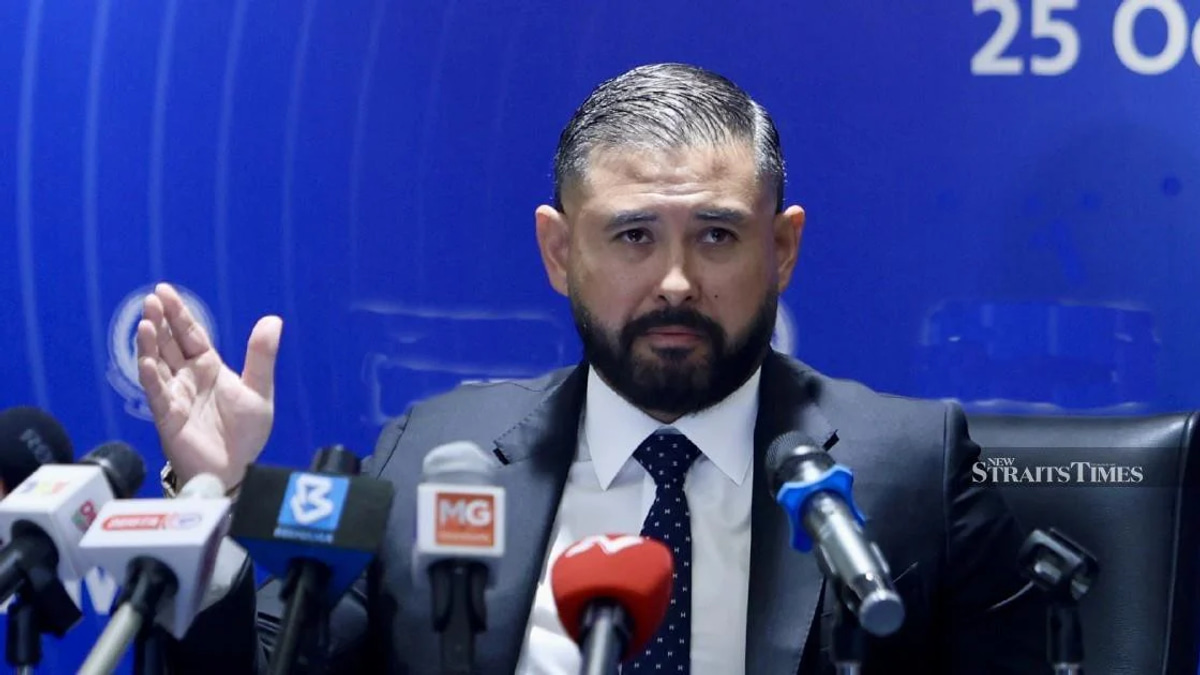
The International Sepaktakraw Federation (ISTAF) has determined there is sufficient cause to pursue formal disciplinary action against members of Thailand's sepaktakraw contingent stemming from a heated confrontation during the team competition final at the ISTAF Sepaktakraw World Cup 2026 held last month. The decision, announced by ISTAF Secretary-General Datuk Abdul Halim Kader on June 20, follows a comprehensive review of match documentation, video evidence, and submissions from both the Malaysian and Thai sepaktakraw governing bodies. The move represents a significant escalation in addressing what many observers view as a serious breach of competitive conduct in a sport governed by strict protocols and traditions of sportsmanship.
According to the federation, five players from Thailand's third team unit face charges related to their alleged refusal to continue play during the match against Malaysia, while two coaches and one team manager are separately charged with either directing the action, endorsing it, or neglecting their duty to prevent it. The online committee meeting that reached this conclusion examined official reports submitted by match referees, a formal complaint lodged by the Sepak Takraw Association of Malaysia (PSM), comprehensive video recordings of the incident, and detailed written arguments presented by the Thailand Sepak Takraw Association (TAT). This multi-layered evidentiary approach underscores the gravity with which ISTAF regards the incident and its commitment to procedural fairness despite the apparent seriousness of the allegations.
The May 23 team event final between Malaysia and Thailand became mired in controversy when the Thai delegation withdrew in protest against a refereeing decision. Malaysia was subsequently awarded victory with a 2-1 scoreline, a result that came under scrutiny and raised international questions about the sport's integrity. For sepaktakraw, a discipline that commands considerable passion across Southeast Asia and carries significant cultural weight, such incidents threaten the sport's credibility on the global stage. The federation's statement emphasised that maintaining the integrity and disciplinary standards of international sepaktakraw competition is essential for the sport's continued development and participation in major continental tournaments.
Datuk Abdul Halim Kader stressed that the disciplinary proceedings must be conducted with both firmness and fairness to preserve the sport's foundational values. He highlighted the critical importance of addressing this matter thoroughly, particularly given that sepaktakraw features prominently in upcoming major competitions, including the Nagoya 2026 Asian Games and the Doha 2030 Asian Games. These tournaments represent the apex of continental competition for the sport, and any perception of mismanagement or weak enforcement of rules could undermine the legitimacy of results achieved in such prestigious venues. The federation's resolve in this case signals to the global sepaktakraw community that it takes its governance responsibilities seriously and will not tolerate conduct that undermines the sport's reputation.
The formal process now underway follows a structured timeline designed to afford all respondents adequate opportunity to present their case. Charge letters were to be issued no later than June 20, with all eight individuals given a fourteen-day window to submit written responses addressing the allegations. This period allows the accused parties and their legal representatives or advisors to prepare comprehensive defences and gather supporting documentation. Following the submission deadline, the Disciplinary Committee will schedule and conduct formal hearings during which both the prosecution of charges and defences will be presented and examined. The committee will then render decisions grounded in the evidence presented and the applicable provisions of the ISTAF Constitution and Regulations, ensuring that judgments rest on established legal and governance frameworks rather than arbitrary determination.
Beyond the formal charges against the core eight individuals, ISTAF has also addressed the broader Thai contingent present during the incident. Seven additional players from Thailand's first and second team units, who were stationed courtside during the altercation, received stern warnings for engaging in actions deemed potentially provocative. These seven players must now formally commit to respecting match officials' decisions, adhering to ISTAF's constitutional provisions and competition rules, refraining from disruptive conduct during competitions, and maintaining the standards of sportsmanship and fair play expected at all international tournaments. The distinction between formal charges and warnings reflects a graduated disciplinary approach that acknowledges varying degrees of culpability while still communicating the federation's expectations for professional conduct across all team members.
The conditional commitments required of the seven cautioned players represent more than symbolic gestures; they constitute binding undertakings enforceable under ISTAF regulations, with breach potentially triggering additional sanctions. By requiring these athletes to formally pledge allegiance to competition rules and sportsmanship standards, the federation creates a documented record of individual acknowledgment that serves both deterrent and protective functions. For Malaysia and the broader Asian sepaktakraw community, such measures provide assurance that the sport's governing body takes transgressions seriously and maintains consistent standards of accountability. The approach also offers players themselves an opportunity to rehabilitate their standing by demonstrating commitment to the values the sport purports to champion.
Crucially, ISTAF has directed the Thailand Sepak Takraw Association itself to issue a public apology to the international sepaktakraw community and spectators for the incident. The federation's statement explicitly noted that the withdrawal and subsequent conduct failed to reflect the sportsmanship ethos that underpins the sport. This requirement, directed at the national federation rather than individual athletes, signals that ISTAF holds national governing bodies accountable not only for the direct actions of their representatives but also for their institutional responsibility to uphold international sporting standards. A public apology from TAT carries symbolic weight that extends beyond the individuals charged, acknowledging systemic or organisational dimensions of the incident and committing the Thai federation to ensuring such conduct does not recur.
The implications of this disciplinary action ripple across Southeast Asian sepaktakraw, where Thailand and Malaysia have historically dominated competition and generate intense national interest. Both countries boast deep-rooted sepaktakraw traditions and maintain some of the world's most competitive training programmes and player development systems. The formal legal proceedings against Thai players and officials will be closely watched by sporting observers throughout the region, with outcomes potentially influencing how other nations' governing bodies manage similar incidents and how ISTAF itself calibrates future enforcement. For Malaysian readers, the case also affirms that international sporting bodies can deliver justice when home nations are wronged, a reassuring signal in a region where sports governance has occasionally been questioned.
The broader context encompasses sepaktakraw's trajectory as an emerging global sport seeking recognition alongside more established disciplines. Unlike football or badminton, which have long-established international governance structures and global audiences, sepaktakraw remains predominantly an Asian phenomenon with concentrated participation and viewership. Major international tournaments and television coverage remain relatively limited, making the sport's image particularly vulnerable to conduct that projects instability or poor sportsmanship. Incidents such as the Thailand walkout, if not addressed decisively, can reinforce perceptions among international sports administrators and potential sponsors that the sport lacks the governance maturity necessary for expansion beyond its regional base. ISTAF's decisive response therefore serves not merely to punish past misconduct but to strengthen the sport's institutional credibility as it seeks greater global recognition and participation.
Looking forward, the formal disciplinary proceedings will unfold over the coming weeks as respondents submit their written defences and the committee processes the accumulated evidence. The outcomes—whether resulting in suspensions, fines, or other sanctions—will establish precedent for how ISTAF handles similar breaches and communicate the federation's tolerance thresholds to national associations and athletes worldwide. For Malaysian sepaktakraw stakeholders, the process represents validation of the complaint filed by PSM and demonstrates that international dispute resolution mechanisms can deliver justice even in geographically dispersed sporting communities. The case also serves as a cautionary tale for any nation or team considering similar protest actions, illustrating the substantial reputational and competitive costs that can accrue from refusing to accept match officials' decisions.
The disciplinary proceedings also occur within a broader evolution of sepaktakraw governance as the sport matures internationally. ISTAF's handling of the incident reflects lessons learned from governance failures in other sports and an apparent determination to establish sepaktakraw as a professionally administered discipline with transparent, rules-based systems of accountability. The federation's emphasis on conducting proceedings fairly while maintaining firmness suggests institutional sophistication and confidence in the sport's ability to manage internal disputes effectively. For Southeast Asian players and coaches, this signals that international competition now operates within a robust legal framework where misconduct will be identified, investigated, and adjudicated according to established procedures rather than ad hoc determination or diplomatic accommodation. This evolution, while potentially constraining for teams accustomed to operating with greater flexibility, ultimately strengthens the sport's legitimacy and sustainability in the international sporting landscape.
%22%2F%3E%3C%2Fpattern%3E%3C%2Fdefs%3E%3Crect%20width%3D%22100%25%22%20height%3D%22100%25%22%20fill%3D%22url(%23ph2jw31g)%22%2F%3E%3Crect%20width%3D%22100%25%22%20height%3D%22100%25%22%20fill%3D%22url(%23ph2jw31p)%22%2F%3E%3Ctext%20x%3D%2250%25%22%20y%3D%2250%25%22%20text-anchor%3D%22middle%22%20dominant-baseline%3D%22central%22%20fill%3D%22rgba(255%2C255%2C255%2C0.95)%22%20font-family%3D%22Georgia%2C%20'Times%20New%20Roman'%2C%20serif%22%20font-weight%3D%22700%22%20font-size%3D%22194%22%20letter-spacing%3D%22-0.02em%22%3ETelekom%3C%2Ftext%3E%3C%2Fsvg%3E)