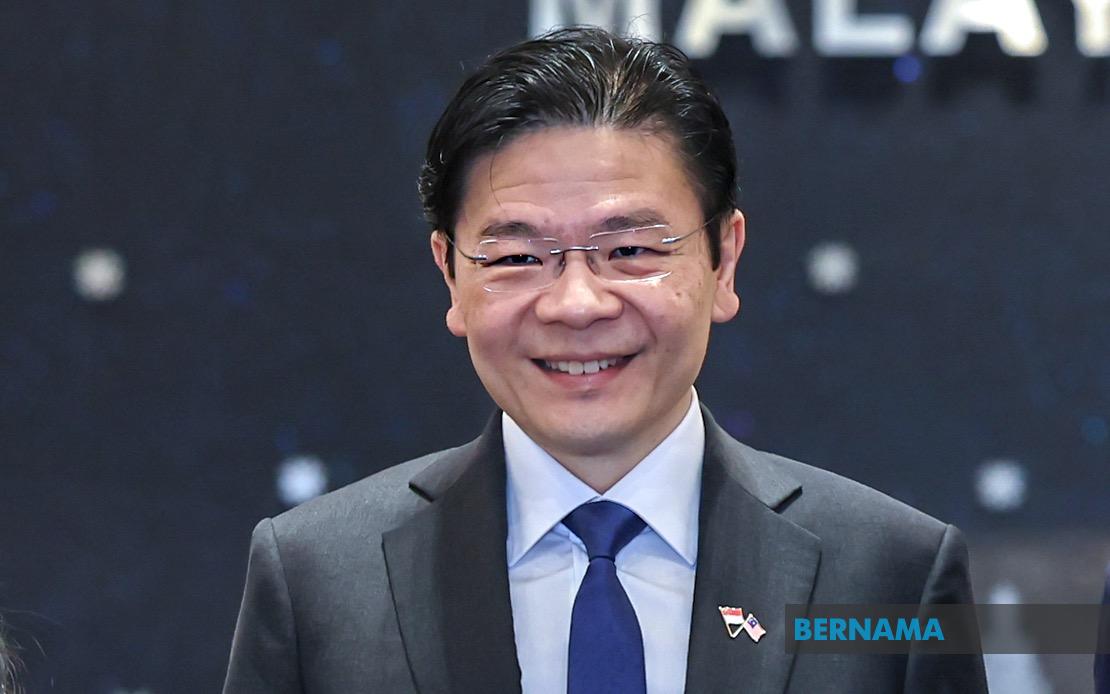
Singapore is preparing a comprehensive reassessment of how it supports families across all life stages, Prime Minister Lawrence Wong announced on Saturday, signalling the government's intention to tackle mounting pressures faced by households navigating an uncertain global environment. The initiative extends well beyond traditional support mechanisms tied to marriage and childbirth, instead taking a holistic view of family needs throughout different seasons of life. Wong's remarks, delivered via video message on the eve of Singapore's 61st National Day, underscored the administration's commitment to creating an environment where citizens can pursue their goals with assurance, raise children without constant financial anxiety, and build confidence in their future prospects.
The centrepiece of the government's family-focused agenda involves direct examination of the financial obstacles preventing many Singaporeans from forming or expanding their households. Child-rearing expenses have become increasingly prohibitive, with particular concern directed at the accessibility and affordability of infant care and childcare services—costs that often represent a substantial portion of household budgets in the city-state. By explicitly naming these financial barriers, Wong acknowledged a growing anxiety among young adults and parents about whether they can realistically manage the economic demands of family life. The government's willingness to undertake what Wong characterised as a "fresh look" at these entrenched challenges suggests recognition that existing programmes may not sufficiently address contemporary cost pressures.
This policy pivot carries significance for the broader Southeast Asian region, where several nations face similar demographic and economic headwinds. Singapore's experience with family support systems, typically considered among the region's most developed, has faced mounting criticism that benefits have not kept pace with living cost increases. Malaysia, Indonesia, and other neighbouring economies monitor Singapore's policy adjustments closely, often using them as reference points for evaluating their own family welfare frameworks. A substantive Singapore programme addressing affordability gaps could influence regional discussions about government responsibility for supporting young families, particularly in middle-income countries struggling to retain younger populations against external migration pressures.
Wong simultaneously highlighted a second major concern reshaping family policy agendas across the developed world: the psychological and social consequences of digital technology on young people. Parents throughout Singapore and the region have grown increasingly anxious about social media's effects on children's mental health, the quality of relationships among adolescents, and the overall developmental trajectory of digitally-immersed generations. The Prime Minister's recognition of these concerns signals that family policy can no longer treat technology as peripheral to child welfare discussions. Instead, government intervention in digital spaces—through regulation, education, or platform design changes—has become integral to comprehensive family support strategies.
The government's commitment to establishing "stronger safeguards" for children navigating digital environments reflects a recognition that traditional parenting advice and household-level supervision prove inadequate when confronting algorithms designed to maximise engagement through psychological manipulation. Wong's framing of technology as something the government will "shape" to serve citizens and strengthen society suggests a willingness to take more assertive regulatory positions, potentially influencing how technology companies operate within Singapore. This approach may diverge from the largely market-driven approach many countries have adopted, instead positioning government as an active architect of digital environments rather than a passive observer.
The timing of these announcements—delivered immediately before the National Day Rally where Wong promised fuller policy details—indicates the government views family support as central to its political messaging heading into the next period. By emphasising family as both a policy priority and a cultural cornerstone, the administration positions itself as attuned to anxieties shaping daily life for millions of Singaporeans. This rhetorical strategy carries particular weight in a society where the government has historically emphasised the family unit as essential to social stability and national cohesion.
For Malaysian observers, Singapore's renewed focus on family affordability carries instructive lessons. While Singapore benefits from significantly higher average incomes and more developed public services, both nations confront the fundamental challenge of making family formation economically feasible for non-wealthy citizens. Malaysia's own support systems—including tax allowances, childcare subsidies, and housing programmes—could face renewed scrutiny as citizens observe whether Singapore's anticipated measures successfully reduce financial barriers to parenthood. The comparative analysis between the two systems may intensify as both governments compete implicitly for talent and demographic vitality in an era of heightened internal and regional migration.
Wong's dual focus on financial support and digital safety reflects an understanding that family welfare encompasses both material security and non-material dimensions of wellbeing. This holistic conception represents an evolution from earlier policy frameworks that treated family support primarily as an economic or housing issue. By incorporating child developmental and psychological concerns into family policy, Wong signals that governments increasingly recognise their responsibility extends to the qualitative aspects of family life, not merely its quantitative sustainability.
The announcement of impending policy details at the National Day Rally creates anticipation among stakeholders monitoring Singapore's social policy direction. Business groups wondering whether childcare subsidies will expand, employers considering how family-friendly policies might require adjustment, and individual families assessing long-term financial planning all await specifics about which programmes will receive increased investment or redesign. This staggered information release—announcement of the commitment followed by detailed rollout—also serves a political function, allowing the government to frame initial messaging around broad aspirations before addressing the fiscal and implementation realities of translating those aspirations into concrete support.
As Singapore refines its approach to family support amid global economic uncertainties and rapid technological change, the city-state's experience will likely shape discussions throughout Southeast Asia about government's evolving role in enabling family formation and protecting child welfare. The emphasis on reviewing existing frameworks rather than introducing entirely novel programmes suggests incremental rather than revolutionary change, yet the breadth of the review—spanning costs, childcare access, digital safety, and life-stage comprehensiveness—indicates government recognition that piecemeal adjustments may no longer suffice. Regional observers will watch closely to determine whether Singapore's renewed commitment translates into material improvements in family affordability and child welfare outcomes.

