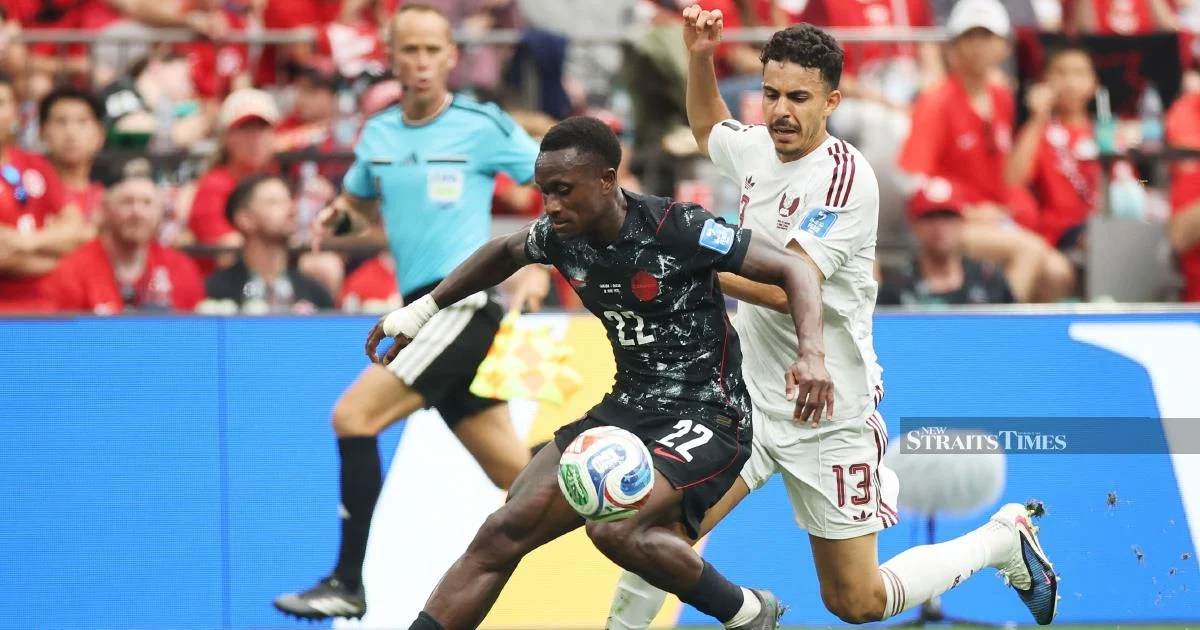
Qatar's 6-0 demolition at the hands of Canada represents one of the tournament's most sobering results, laying bare fundamental questions about the relationship between investment and competitive achievement in international football. The scoreline has prompted reflection within the sport about whether even a nation with substantial financial resources can rapidly construct a credible football programme without deeper institutional foundations.
The overwhelming nature of Canada's victory serves as a stark reminder that monetary expenditure, whilst essential, cannot be the sole architect of sporting excellence. Football observers have long debated whether host nations with newly invested programmes can genuinely challenge established footballing powers, and Qatar's performance provides fresh evidence that the answer is considerably more complex than financial statements might suggest. The gap between spending ambition and on-pitch results reveals structural vulnerabilities that cannot be bridged by transfer fees alone.
Building a sustainable football culture requires decades of systematic development, grassroots infrastructure, and institutional knowledge that cannot be accelerated through cheque books. Qatar's situation mirrors challenges faced by other wealthy nations attempting rapid football advancement—where initial capital infusions generate headlines but fail to produce consistent competitive performance. The investment model assumes that recruiting top talent and providing facilities will automatically generate success, overlooking the cohesion, tactical understanding, and team chemistry that develop gradually through extended competitive experience.
For Southeast Asian readers, Qatar's predicament offers instructive lessons about regional football ambitions. While wealthier nations in Asia pursue aggressive recruitment and infrastructure development, the Canadian victory demonstrates that these strategies alone cannot overcome systemic disadvantages. Countries seeking to improve football competitiveness must balance financial investment with patient development of domestic talent pipelines, coaching education, and competitive structures that build capability over generations rather than seasons.
The defeat also highlights how participation at the World Cup's highest level exposes programmes that rely excessively on short-term solutions. Qatar faced opponents with established football cultures, deeper player development systems, and teams built through sustained competitive campaigns. Canada's victory, though perhaps unexpected in scope, derived from a programme with genuine foundations and player development pathways developed over years of consistent investment in the sport across multiple levels.
Moreover, the result underscores how rapidly assembled squads featuring marquee signings often lack the interpersonal relationships and tactical familiarity that characterise successful teams. Players recruited from different leagues, with varying tactical approaches and communication styles, require significant time to develop coherent playing patterns. This integration challenge becomes more pronounced when teams face opponents with established relationships and shared competitive experience, as Canada's squad possessed.
Experts examining Qatar's performance point toward deficiencies in defensive organisation, tactical flexibility, and game management—areas where experience and institutional knowledge matter more than individual player quality. The team's inability to respond effectively to Canadian pressure suggests deeper coaching and strategic issues that financial resources cannot immediately resolve. Building elite footballing programmes requires technical leadership capable of developing tactical approaches suited to specific personnel and opponents, a capability that emerges through sustained institutional development.
For Malaysia and neighbouring countries, Qatar's experience carries particular relevance given regional aspirations around football competitiveness. The World Cup exit demonstrates that while infrastructure investment and player recruitment remain important, they must integrate within comprehensive development frameworks. Successful football nations typically emphasise youth academy systems, consistent coaching methodologies across age groups, and domestic league standards that challenge local players appropriately before international exposure.
Qatar's substantial spending on tournament preparation and player recruitment ultimately proved insufficient against an opponent with stronger team cohesion and tactical nous. The Canadian team's discipline and execution contrasted sharply with Qatar's disorganised defending and ineffective attacking transitions. This gap between resource allocation and actual performance invites broader reflection about why money alone fails to guarantee sporting success, particularly within competitive environments where experience and institutional maturity determine outcomes more decisively than spending figures.
Looking forward, the defeat may prompt Qatar to reconsider its football development strategy, moving beyond headline-grabbing player signings toward sustained investment in youth development and domestic competition. Regional federations observing this outcome should recognise that genuine football advancement requires commitment to long-term capability building rather than spectacular but unsustainable spending sprees. Qatar's World Cup experience ultimately reinforces a lesson the sport keeps teaching: that financial resources must combine with patience, institutional development, and genuine commitment to grassroots programmes to produce meaningful competitive improvement.