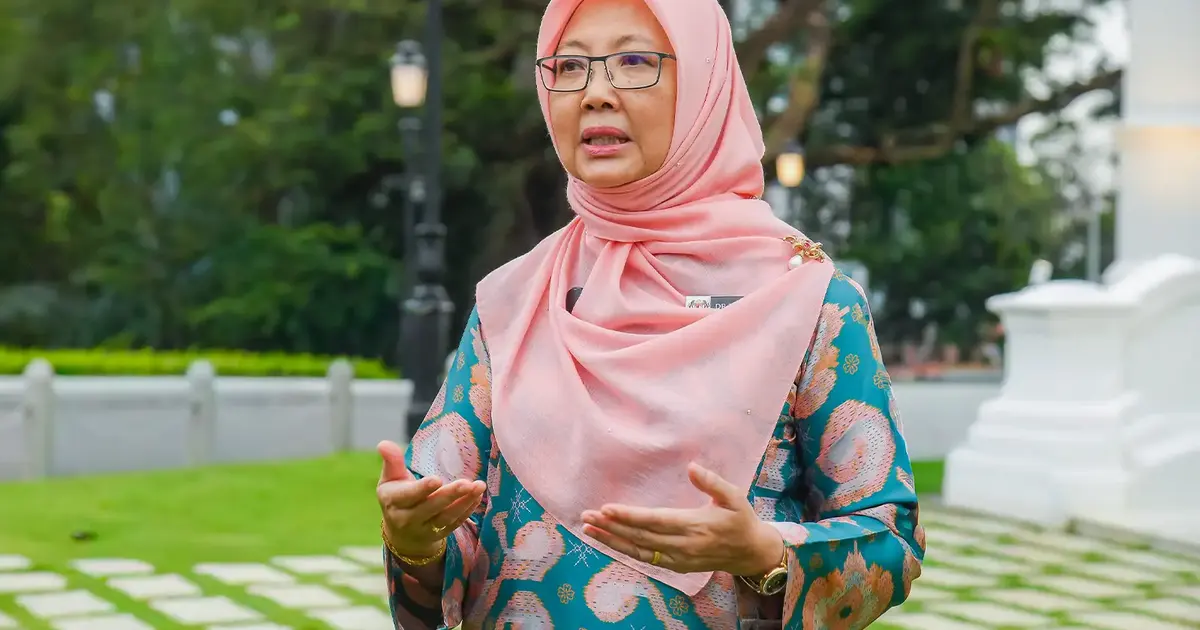
Senior PKR politician Zaliha has expressed bewilderment at calls from Johor's Barisan Nasional leadership demanding that the opposition Pakatan Harapan coalition publicly identify its most prominent electoral figure for the state's upcoming polls. The vice-president of PKR—a key Pakatan Harapan component party—said she struggled to understand the logic behind Johor BN chairman Onn Hafiz Ghazi's request, particularly given the absence of any formal commitment that such a nominated figure would actually be elevated to the menteri besar position following an election victory.
The timing of this demand underscores the increasingly competitive and unpredictable nature of Johor state politics. Unlike previous electoral cycles where coalition leaders signalled their intended chief minister candidates well in advance, the current political landscape appears to favour a more strategic ambiguity. This tactical approach reflects deeper calculations about voter sentiment, coalition dynamics, and the potential for backroom negotiations in a state where no single bloc can be assured of a decisive mandate.
Onn Hafiz's call appears designed to force the opposition coalition into an early commitment that could expose internal disagreements or provide the ruling coalition with ammunition to deploy against specific opposition personalities. In Malaysian politics, naming a chief ministerial candidate this far before elections can be a double-edged sword—it provides voters with clarity about leadership direction, but it also hands opponents a concentrated target for character attacks and scrutiny. The Johor BN chairman's move suggests the coalition may be attempting to frame the narrative around personalities rather than policy platforms or governance records.
For Pakatan Harapan, the strategic calculus appears fundamentally different. The coalition's reluctance to prematurely anoint a poster boy reflects awareness that such declarations can constrain coalition flexibility and invite divisive internal power struggles among its member parties. In a state where the menteri besar post has historically carried enormous patronage powers and symbolic weight, different parties within the opposition alliance naturally harbour ambitions about who should occupy the position. Publicly committing to one candidate before negotiations have been concluded could fracture coalition unity at a crucial moment.
Zaliha's position as a senior PKR figure means her puzzlement carries particular weight. PKR, as Pakatan Harapan's anchor party, likely bears expectations of supplying the menteri besar candidate. However, other coalition partners—particularly the DAP in seats with substantial Chinese-majority electorates—will also expect meaningful consideration in final power-sharing arrangements. These internal coalition dynamics create a genuine dilemma: announcing a single figure risks alienating coalition partners who feel their contributions deserve equivalent recognition in the state government hierarchy.
The broader political context in Johor adds another layer of complexity. The state has emerged as a genuine battleground where electoral outcomes remain genuinely uncertain, unlike some states where one coalition enjoys near-total dominance. This competitive balance means both sides must carefully calibrate their strategies to maximize appeal to floating voters while maintaining internal coalition cohesion. In such circumstances, projecting confidence through an early poster boy declaration might appear premature or overconfident to Johor voters evaluating their options.
Historical precedent in Malaysian state politics also informs opposition thinking. Previous instances where opposition coalitions made early ministerial commitments have sometimes backfired when internal disagreements surfaced publicly or when candidates faced unexpected scandals. The opposition's apparent determination to avoid naming a specific figure until absolutely necessary reflects these cautionary lessons. Furthermore, allowing negotiations to proceed behind the scenes provides more flexibility to balance the competing interests of coalition members and respond to evolving political developments.
Onn Hafiz's demand must also be understood within the broader context of Johor Barisan Nasional's own internal dynamics. The ruling coalition has traditionally relied on Johor's administrative machinery and incumbent advantages, but these have proven insufficient in recent elections to guarantee overwhelming victories. By pushing the opposition to name a candidate early, BN appears to be attempting tactical repositioning—perhaps hoping to exploit any eventual coalition disagreements or to begin building voter perceptions that the opposition candidate is vulnerable or unattractive to significant demographic groups.
For Malaysian observers tracking opposition coalition dynamics more broadly, this exchange reveals the ongoing tensions between transparency and strategic flexibility. Voters increasingly demand clarity about who will lead state governments, yet coalition arrangements among diverse parties with different bases and ambitions require careful negotiation. The opposition's reluctance to provide this clarity immediately reflects real constraints rather than mere evasion, though this distinction may not resonate with some voter segments expecting straightforward declarations.
As electoral calendars tighten across Malaysia's states, similar dynamics will likely emerge elsewhere. The Johor situation encapsulates fundamental challenges facing opposition coalitions across the country: how to project unified, credible alternative leadership while respecting internal party hierarchies and coalition balance-of-power arrangements. Zaliha's expressed confusion highlights how external pressure to conform to conventional practices meets the complex realities of coalition politics in contemporary Malaysia.
%22%2F%3E%3C%2Fpattern%3E%3C%2Fdefs%3E%3Crect%20width%3D%22100%25%22%20height%3D%22100%25%22%20fill%3D%22url(%23ph2z8gfg)%22%2F%3E%3Crect%20width%3D%22100%25%22%20height%3D%22100%25%22%20fill%3D%22url(%23ph2z8gfp)%22%2F%3E%3Ctext%20x%3D%2250%25%22%20y%3D%2250%25%22%20text-anchor%3D%22middle%22%20dominant-baseline%3D%22central%22%20fill%3D%22rgba(255%2C255%2C255%2C0.95)%22%20font-family%3D%22Georgia%2C%20'Times%20New%20Roman'%2C%20serif%22%20font-weight%3D%22700%22%20font-size%3D%22320%22%20letter-spacing%3D%22-0.02em%22%3E32%3C%2Ftext%3E%3C%2Fsvg%3E)