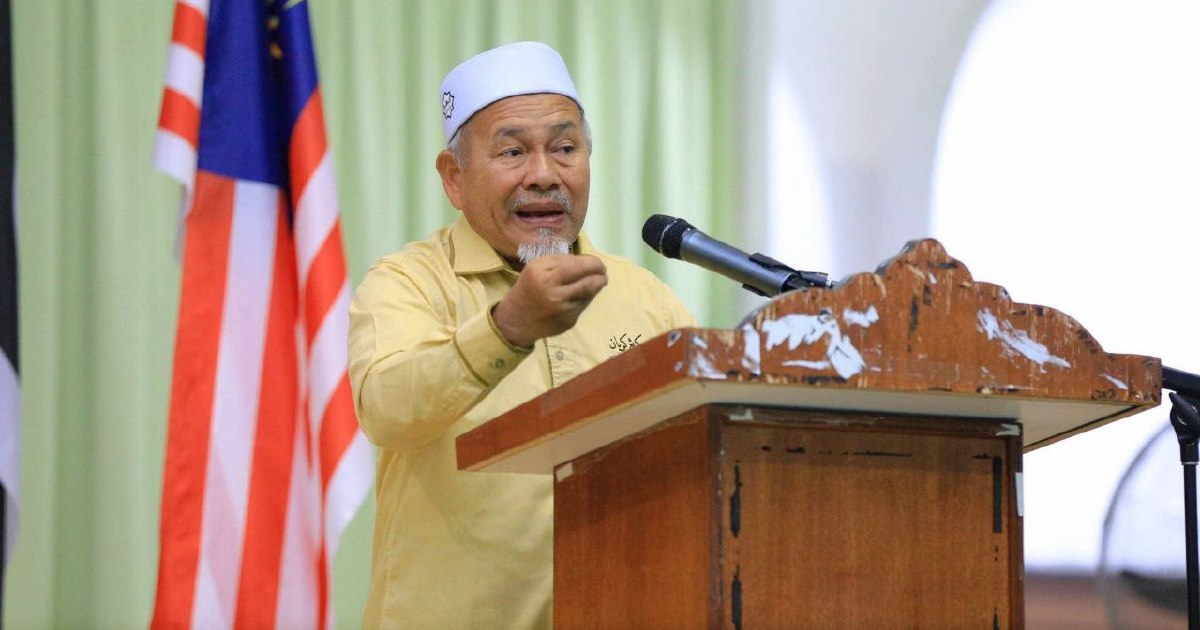
The Islamic Party of Malaysia, through its deputy president Datuk Seri Tuan Ibrahim Tuan Man, has indicated a readiness to explore seat-swapping arrangements with its coalition partner Umno ahead of the next round of elections. Speaking in Temerloh, the senior PAS figure suggested that the party would be open to trading its current state assembly and federal parliamentary constituencies, provided that certain preconditions are satisfied during negotiations between the two Barisan Nasional component parties.
This latest development reflects the ongoing pragmatism that has characterised the PAS-Umno relationship within Malaysia's ruling coalition, where both parties have sought to maximise their combined electoral appeal while managing the complexities of seat allocation in constituencies where they compete for influence and voter support. The willingness to discuss swaps signals PAS's confidence in contesting seats traditionally associated with Umno, while simultaneously acknowledging areas where Umno candidates may be better positioned to retain parliamentary and state representation.
Seat-sharing negotiations between major coalition partners have long been a defining feature of Malaysian electoral politics, with parties attempting to balance internal demands from grassroots members and potential candidates against the strategic imperative of presenting a united front to voters. For PAS, which has expanded its parliamentary presence significantly over the past decade, the flexibility on seat arrangements demonstrates a maturation of electoral strategy that extends beyond symbolic representation to practical considerations of winning majorities in state assemblies and national parliament.
The Temerloh statement carries particular weight given the Pahang context, where PAS has established a notable presence in both urban and rural constituencies. This region has become increasingly competitive, with voters showing willingness to support either Barisan component depending on local issues and candidate appeal. By publicly signalling openness to rearrangements, Datuk Seri Tuan Ibrahim appears to be positioning PAS as a constructive partner committed to the coalition's broader electoral objectives rather than protecting seats defensively.
However, the qualifier that seat swaps remain subject to "certain conditions" hints at remaining sticking points in ongoing coalition discussions. These could include guarantees regarding candidate selection processes, assurances about campaigning support from Umno machinery, or agreements concerning specific policy priorities that resonate with PAS supporters in particular constituencies. The conditions language suggests that while PAS has adopted a fundamentally cooperative stance, it retains leverage to ensure that any arrangements benefit the party's long-term positioning and electoral mathematics.
For Malaysian observers of coalition politics, this development underscores the adaptive nature of Barisan Nasional's partnership structure. Unlike opposition alliances that have sometimes fractured over seat disputes, the ruling coalition has demonstrated capacity for negotiation and compromise, albeit sometimes painfully achieved. PAS's flexibility may also reflect calculations about the broader competitive landscape, where both parties recognise that appearing divided or combative could hand advantages to Pakatan Harapan and other opposition contenders seeking to capitalise on any perception of weakness or internal strife.
The timing of Datuk Seri Tuan Ibrahim's remarks is noteworthy, arriving at a moment when political parties across Malaysia's spectrum are beginning preliminary positioning for elections that could occur within the next two years. Early signalling of flexibility can establish negotiating momentum and demonstrate party leadership's pragmatism to both internal members and coalition partners. For PAS in particular, such positioning helps maintain its identity as a serious governance party rather than a rigid ideological faction resistant to electoral compromises necessary for maintaining power.
Regional implications of this PAS-Umno cooperation dynamic extend beyond Malaysia itself. Political analysts across Southeast Asia often scrutinise Malaysian coalition management as a case study in how competing parties can sustain partnerships despite ideological differences and competing interests. The willingness to discuss seat swaps, rather than engage in acrimonious disputes over constituency allocations, demonstrates institutional maturity that contrasts with volatility observed in some other regional democracies.
Looking forward, the substance of these negotiations will likely emerge only once both parties move from public signals toward private discussions involving formal party machinery. The specific constituencies identified for potential swaps, the nature of the conditions PAS has referenced, and whether reciprocal arrangements favouring PAS are simultaneously discussed will all shape whether this flexibility translates into smooth electoral coordination or becomes another point of contention within Barisan Nasional's management structures.

