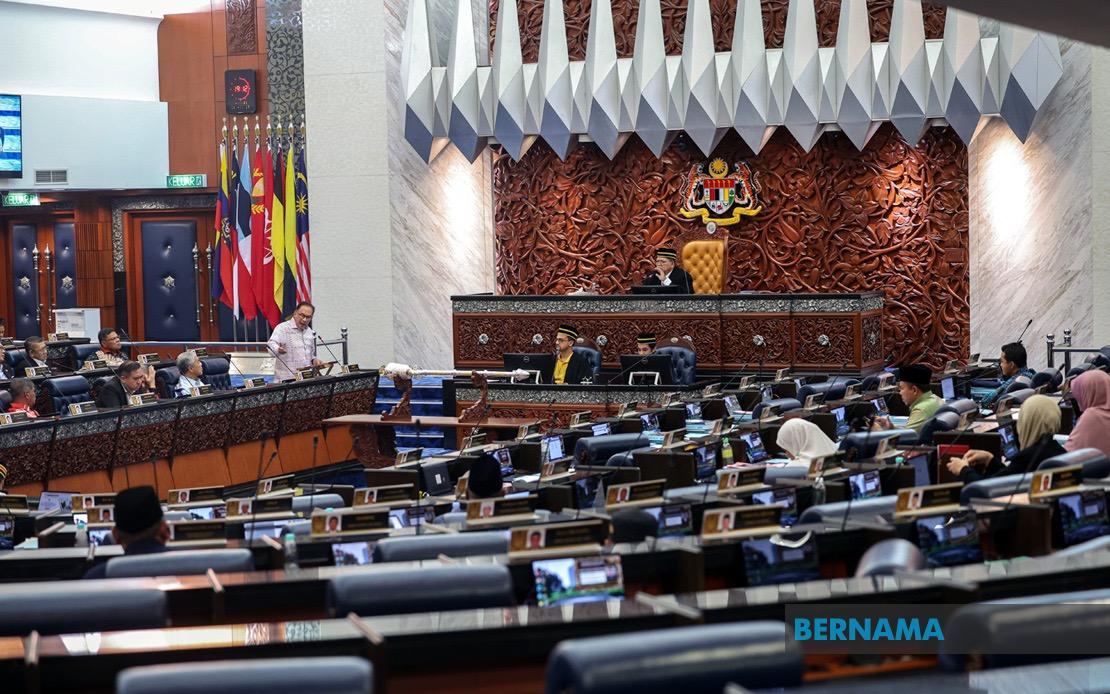
Lawmakers in the Dewan Rakyat have made a forceful case for overhauling Malaysia's approach to prosecuting sexual crimes against children, with both government and opposition members coalescing around the need for more aggressive enforcement, better international coordination, and dedicated resources for victims. The consensus emerged during parliamentary debate on the Sexual Offences Against Children (Amendment) Bill 2026, which seeks to close jurisdictional loopholes that currently constrain Malaysia's ability to pursue perpetrators who commit offences beyond the country's borders.
The amendment addresses a critical vulnerability in Malaysia's legal framework: the challenge of holding accountable individuals who exploit children across international lines. Abd Ghani Ahmad, representing Jerlun under the Perikatan Nasional banner, emphasised that Malaysia must leverage the Mutual Legal Assistance mechanism and extradition protocols to prevent child sexual predators from using foreign jurisdictions as safe havens. His intervention highlighted the reality that sophisticated offenders increasingly operate through transnational networks, exploiting regulatory gaps between countries to evade justice. The proposed legislative changes would expand Malaysia's jurisdiction to prosecute Malaysians who commit child sexual offences abroad, a significant step that aligns with international best practices adopted by developed nations facing similar challenges.
Beyond legislative expansion, parliamentarians stressed that enforcement capacity must expand proportionally. Abd Ghani outlined the necessity for seamless coordination among the Royal Malaysia Police, Immigration Department, Attorney-General's Chambers, Department of Social Welfare, hospitals, and schools. This multi-agency approach recognises that effective investigation and prosecution require expertise spanning law enforcement, digital forensics, child psychology, and social services. Currently, jurisdictional boundaries and communication gaps between these institutions create bottlenecks that delay investigations and compromise evidence preservation, particularly regarding digital materials that deteriorate or are deleted rapidly.
Digital crimes against children emerged as a particular concern, prompting Datuk Seri Doris Sophia Brodi of GPS to advocate for establishing a specialised task force dedicated exclusively to this category of offending. Online grooming, sextortion, and the production of child sexual abuse material represent evolving threats that demand investigative approaches distinct from traditional physical crimes. Brodi's proposal reflects growing international recognition that digital sexual exploitation of children requires specialised expertise, dedicated personnel, and real-time coordination across jurisdictions, since such crimes frequently involve multiple countries simultaneously. She additionally pressed for enhanced digital safety education in schools and parental awareness campaigns targeting recognition of grooming behaviours and exploitation tactics.
The question of victim support surfaced repeatedly, with multiple MPs arguing that Malaysia's current framework prioritises punishment over recovery. Datuk Mas Ermieyati Samsudin proposed establishing a dedicated prosecution unit for child sexual crimes alongside substantial increases in child psychology expertise within public institutions. More significantly, she advocated for a specialised victim assistance fund covering psychological treatment, legal fees, and rehabilitation costs. This proposal acknowledges that survivors frequently face years of trauma requiring sustained professional intervention; current practices often leave families bearing these expenses personally, creating barriers to recovery for economically disadvantaged victims. The funding mechanism would ensure equitable access to essential rehabilitation services regardless of family financial circumstances.
Young Syefura Othman's contribution centred on preventative infrastructure, specifically proposing a national registry of convicted child sexual offenders accessible to enforcement agencies and child-serving institutions. Such databases, already operational in countries including Australia and the United Kingdom, enable schools, daycare facilities, and welfare organisations to screen staff and volunteers against convicted offenders. Syefura went further, recommending mandatory background checks for all individuals employed or volunteering in child-adjacent settings ranging from welfare homes and nurseries to tahfiz centres, sports clubs, and religious organisations. This comprehensive vetting approach recognises that many offenders deliberately position themselves for access to children, making preventative screening a critical protective layer.
The legislative amendment fundamentally addresses Malaysia's international standing on child protection. Currently, Malaysian citizens who travel abroad to exploit children operate with relative impunity upon returning home, since Malaysian courts lack jurisdiction over offences committed in foreign territory. This jurisdictional vacuum has been exploited by predatory networks, with Southeast Asia becoming a noted destination for child sexual tourism. The amendment would close this avenue, establishing that Malaysian law applies to Malaysian nationals who commit such crimes anywhere globally. This expansion aligns Malaysia with international conventions on child protection and positions the country as serious about preventing its citizens from contributing to global child exploitation networks.
The debate also highlighted coordination challenges between Malaysia and neighbouring countries. Given Southeast Asia's porous borders and the region's role in organised child exploitation networks, RSN Rayer advocated for strengthening domestic investigative teams handling child sexual crime cases. Current staffing levels create backlogs in case processing, meaning investigations languish while perpetrators potentially reoffend or flee. Enhanced investigative capacity would facilitate faster case resolution and enable Malaysian authorities to respond more effectively to international requests for assistance, strengthening regional cooperation networks.
Parliamentarians' unified support for these reforms, across political divides, signals recognition that child protection transcends partisan considerations. The breadth of proposals—spanning legal jurisdiction expansion, inter-agency coordination, victim services, workforce vetting, digital crime specialisation, and registry systems—reflects an understanding that comprehensive child protection requires multifaceted intervention rather than legislative amendment alone. Implementation will demand sustained funding, institutional coordination, and political will to overcome bureaucratic inertia and inter-agency territorial concerns.
For Malaysia, these reforms carry implications beyond immediate child protection. Southeast Asia's role in global child exploitation networks has damaged the region's international reputation and tourism sector. Demonstrating serious commitment to prosecution and prevention through legislative and enforcement reforms contributes to regional stability and child welfare. Additionally, as Malaysia positions itself as a rules-based society with strong institutions, capacity to protect vulnerable citizens from transnational crime strengthens both the country's domestic security framework and its standing in international affairs.
The debate's focus on victim rehabilitation rather than purely punitive measures reflects evolving understanding that child sexual abuse creates trauma requiring sustained professional intervention. This shift acknowledges that survivors' recovery depends not on harsh sentencing but on accessible psychological support, financial assistance, and social reintegration pathways. By centring victim welfare, the proposed reforms recognise that effective child protection encompasses both prosecution of offenders and comprehensive restoration of survivors' wellbeing and safety.
The 26 MPs who participated in the debate demonstrated serious engagement with implementation details, moving beyond abstract support for child protection toward specific, operational reforms. Their proposals address genuine gaps in Malaysia's current system: jurisdictional constraints preventing prosecution of transnational offenders, insufficient inter-agency coordination delaying investigations, inadequate victim support services, and limited preventative screening in child-serving institutions. With parliamentary debate continuing, these detailed recommendations provide a substantive foundation for crafting implementing regulations and securing the budgetary allocations necessary to transform legislative intent into operational reality.

