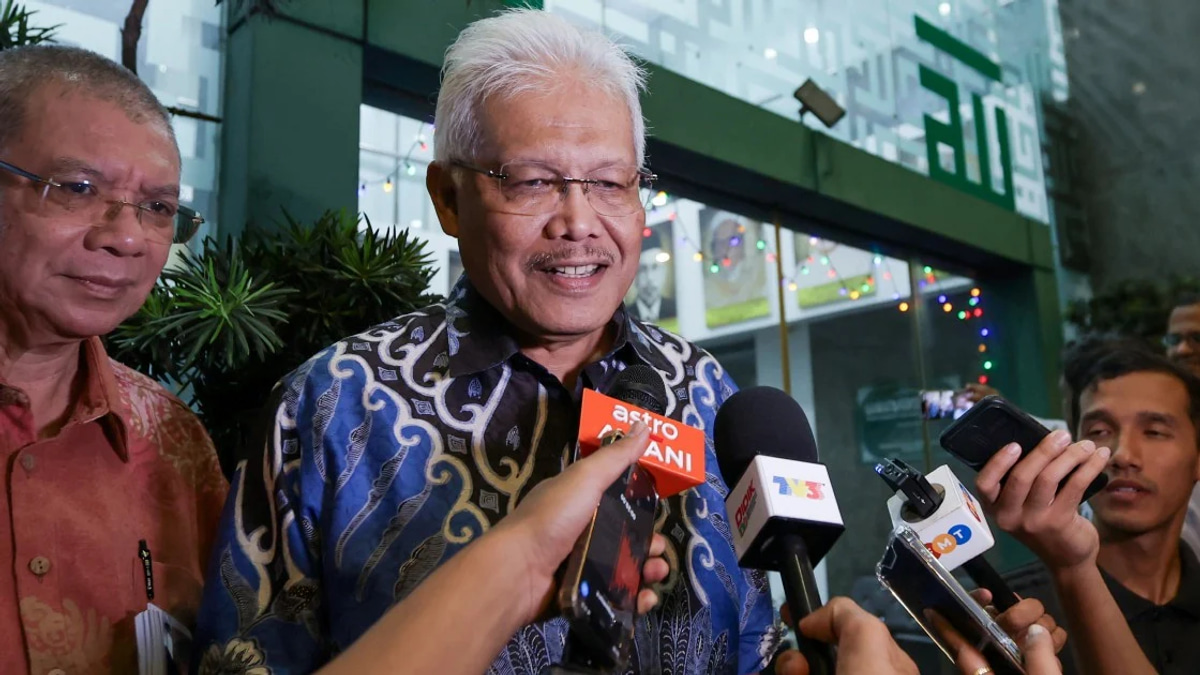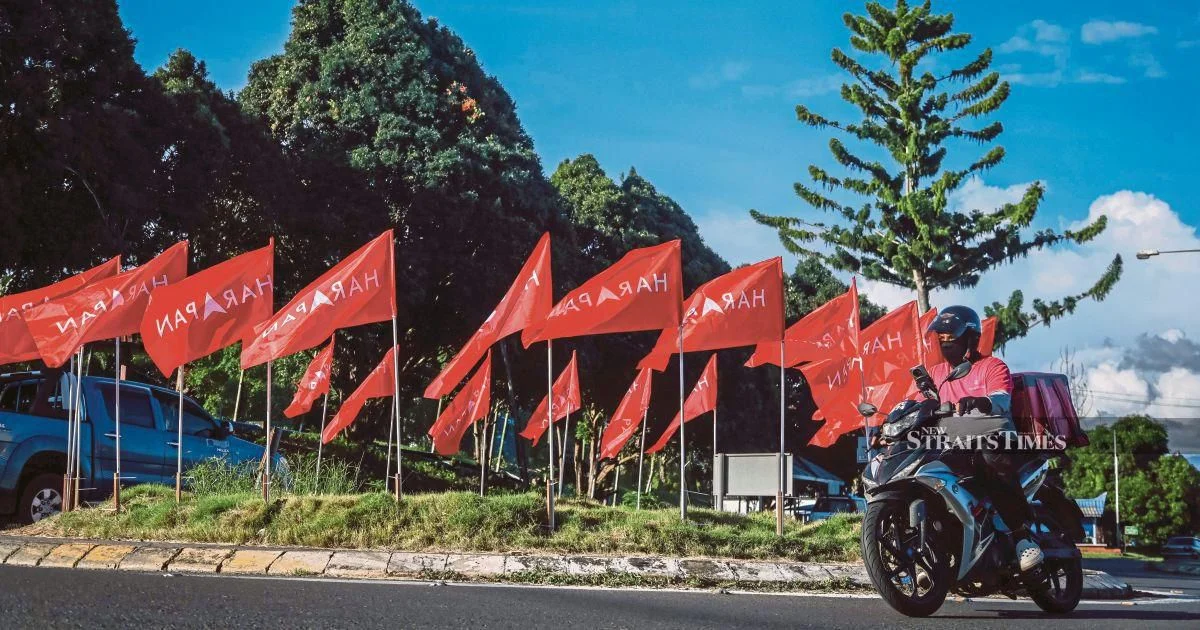
Pakatan Harapan has firmly pushed back against mounting pressure from rival political factions to reveal its choice for menteri besar ahead of the 16th Johor state election, signalling the coalition will move at its own pace in finalizing such a critical leadership decision.
The coalition's refusal to be rushed reflects a strategic calculation that naming a candidate prematurely could invite unnecessary attacks, expose divisions within the alliance, or limit its options as political dynamics shift. By maintaining discretion, PH preserves flexibility while controlling the narrative at a moment when political fortunes in Johor remain fluid.
For Malaysian observers, this measured approach contrasts sharply with how some opposition parties have sought to use media speculation and public pressure as tactics to force coalition partners to commit to specific candidates. Such manoeuvres often backfire, potentially alienating undecided voters who view premature announcements as signs of internal weakness rather than strength.
Johor's political landscape remains consequential for Malaysia's broader power dynamics. As the nation's second-largest state by population and a crucial economic engine, control of the state government carries symbolic and material weight. The 16th state election thus represents more than a local contest; it functions as a testing ground for national coalitions ahead of eventual federal elections.
Pakatan Harapan's strategy of withholding its menteri besar choice until deemed tactically optimal reflects lessons learned from previous campaigns. Announcing candidates too early creates extended periods during which rivals can frame narratives around individual personalities rather than policy platforms. Conversely, later announcements allow the coalition to calibrate its messaging, assess which potential candidates generate the strongest ground support, and respond to evolving voter sentiment.
This tactical patience also provides space for negotiations within the coalition itself. PH comprises multiple parties with their own organizational interests, and designating a menteri besar necessarily involves complex discussions about representation, resource allocation, and positioning within the broader alliance. Rushing such internal processes risks poisoning coalition unity at a critical moment.
For voters in Johor, this delay may prove frustrating in the short term but ultimately beneficial. The additional time allows genuine policy discussions to develop rather than candidate-focused personality campaigns. When Pakatan Harapan eventually announces its choice, that announcement can carry the weight of considered deliberation rather than reactive desperation.
Regionally, Johor's election holds implications for Southeast Asian politics more broadly. Malaysia's internal political stability influences investor confidence, economic growth, and the nation's capacity to drive regional initiatives. Johor's outcome contributes to determining which coalition commands parliamentary majorities and sets national direction.
The opposition's apparent eagerness to force an early announcement itself merits scrutiny. Such pressure tactics typically aim to create hostages to fortune—once a candidate is named, rivals can focus their ammunition on that individual's record, personal background, or perceived vulnerabilities. By resisting this trap, PH avoids gifting opponents six months of uncontested attack time.
Pakatan Harapan's steadfast refusal to name a menteri besar candidate prematurely demonstrates political maturity and strategic confidence. The coalition evidently believes its eventual choice will command strong support, making early announcements unnecessary to boost confidence. This self-assurance, whether justified or aspirational, represents a calculated bet that maintaining control over messaging timelines provides greater advantage than placating critics demanding immediate clarity.
As Johor heads toward the 16th state election, observers should recognize that the timing of candidate announcements carries strategic weight equal to the identity of those ultimately selected. Pakatan Harapan's determined resistance to external pressure suggests the coalition has internalized this reality and intends to play the long game rather than respond reactively to rivals' provocations. Whether this patience yields electoral dividends will become clear once ballots are cast, but the approach itself reflects a coalition unwilling to be dictated to by opposition theatrics.