Malaysia's commitment to supporting youth participation in civil defence has taken concrete form with the approval of a new allowance scheme for Kor SISPA members. A total of 1,107 cadets across 36 higher learning institutions will become the first beneficiaries of this initiative, which has already begun disbursing payments this month. The move signals a shift from policy discussion to tangible implementation, addressing long-standing calls from student volunteers for improved recognition of their contributions to public safety efforts.
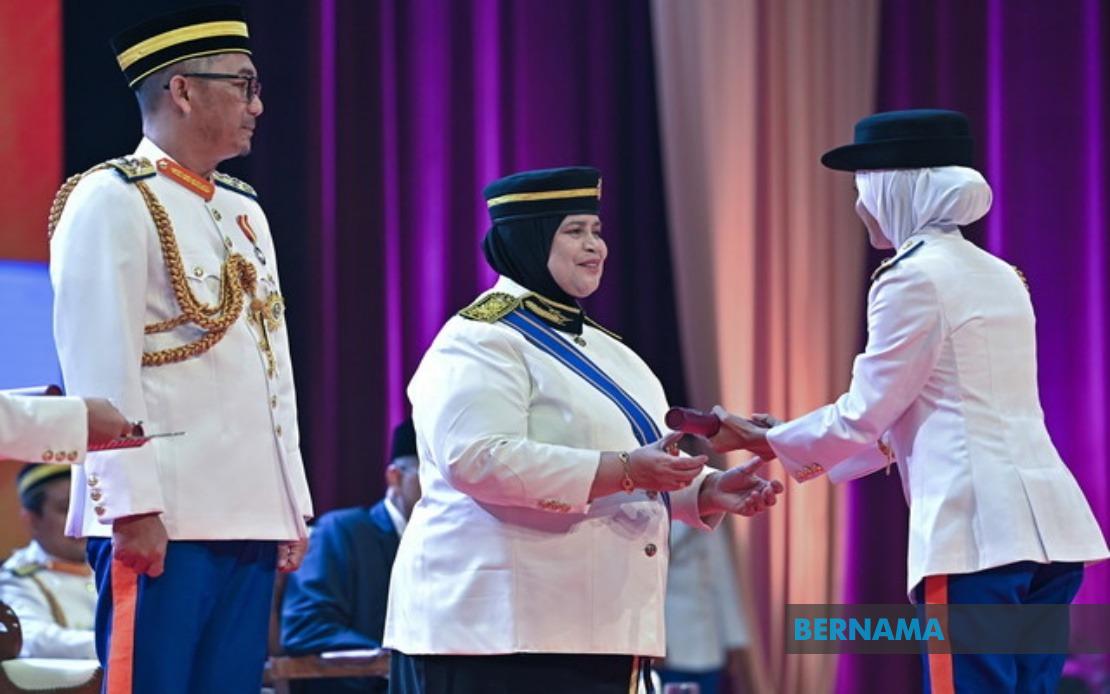
Deputy Minister of Rural and Regional Development Datuk Rubiah Wang, who represents Deputy Prime Minister Datuk Seri Dr Ahmad Zahid Hamidi at the 17th National Kor SISPA Commissioning Ceremony held at Universiti Pendidikan Sultan Idris in Tanjong Malim, characterised the allowance scheme as a watershed moment for the student corps. She emphasised that government deliberations on enhancing welfare provisions have now materialised into concrete financial commitments rather than remaining aspirational goals. The initial rollout carries an estimated financial implication of RM500,000, with the government signalling its intention to explore expanded funding mechanisms to eventually encompass a broader cadet membership.
The allowance structure reflects a recognition of the varying qualification levels among student volunteers. Cadets holding bachelor's degrees will receive RM9.80 per hour for their service, while diploma-qualified members will receive RM8 per hour. This differentiated approach, calculated on actual hours of duty, aims to ensure equitable compensation while acknowledging differences in educational attainment. The one-off nature of the allowance during this initial phase suggests the government may be testing the programme's operational framework before committing to ongoing recurring payments.
The strategic objective behind the allowance extends beyond mere financial incentive. According to Rubiah, the scheme is designed to stimulate participation among university and college students in Kor SISPA programmes, recognising that many young people require tangible motivation alongside the intrinsic satisfaction of public service. The allowance also functions as an investment in workforce development, providing practical exposure to civil defence operations that could shape career trajectories for participants and foster a generation more attuned to emergency preparedness and community resilience.
Understanding the scope of Kor SISPA's operations reveals why this investment matters for Malaysia's civil protection infrastructure. The deputy minister noted that civil defence roles encompass far more than crisis response during disasters. These student volunteers provide year-round assistance at university events, campus activities, and community gatherings, effectively extending the reach of formal civil defence personnel. This continuous presence in institutions and communities builds institutional knowledge about emergency protocols and creates networks of trained responders distributed across the country's higher education sector.
Kor SISPA's institutional history underscores the maturity of this student-led initiative. Launched in 2010 across universities, higher learning institutions, and teacher training colleges, the programme has already graduated over 11,802 members. This substantial alumni base represents two decades of accumulated experience and a significant pool of individuals with civil defence training who may transition into formal roles or carry safety awareness into their professional and personal lives. The longevity of the programme suggests it has demonstrated sufficient value to warrant government financial backing.
The phased implementation approach announced by Rubiah indicates a methodical expansion strategy rather than a rushed rollout. By prioritising initial disbursements to the 1,107 cadets across 36 institutions, the government can assess administrative efficiency, evaluate the scheme's motivational impact on recruitment and retention, and gather data to inform scaling decisions. This measured approach reflects lessons learned from previous social programmes and reduces the risk of implementation failures that might undermine confidence in government initiative.
For Malaysian universities and colleges, this allowance represents validation of the civil defence work undertaken by their student bodies. Many institutions have invested in maintaining Kor SISPA units despite budget pressures, viewing the investment as part of campus safety infrastructure. The new allowance acknowledges this institutional commitment and may encourage additional academic centres to establish or strengthen their civil defence student corps. This could gradually distribute emergency preparedness capacity more evenly across Malaysia's higher education landscape.
The broader policy implications reflect growing recognition that civil resilience depends on decentralised networks of trained individuals embedded within communities and institutions. By compensating student volunteers through an hourly allowance system, the government creates a scalable model that can expand organically as more institutions participate. This approach differs fundamentally from centralised emergency response structures and aligns with contemporary thinking about disaster preparedness and community-based emergency management.
The next scheduled commissioning ceremony at Universiti Sultan Zainal Abidin in Terengganu signals the government's intention to maintain momentum in recognising and formalising the Kor SISPA initiative. Such high-profile institutional recognition, coupled with financial incentives, suggests a deliberate effort to elevate the status of civil defence participation among Malaysian youth. This positioning matters for recruitment and retention, particularly in an era when university students face competing demands for their time and energy.
For Southeast Asian observers, Malaysia's approach to compensating student-led civil defence volunteers offers an interesting case study in leveraging educational institutions for public safety preparedness. Many regional countries face similar challenges in building resilient communities without proportional increases in formal emergency services budgets. Malaysia's phased allowance scheme demonstrates how targeted investments in motivating student participation can distribute safety infrastructure benefits efficiently.
Looking forward, the success of this initial allowance rollout will likely influence policy discussions around similar volunteer recognition programmes in other government agencies. If the scheme proves effective in boosting cadet numbers and improving retention, it may establish a template for other student-based public service initiatives seeking greater government support. The RM500,000 initial investment, modest in budget terms, could generate substantial returns through expanded emergency preparedness capacity and enhanced community safety awareness among Malaysia's university population.

