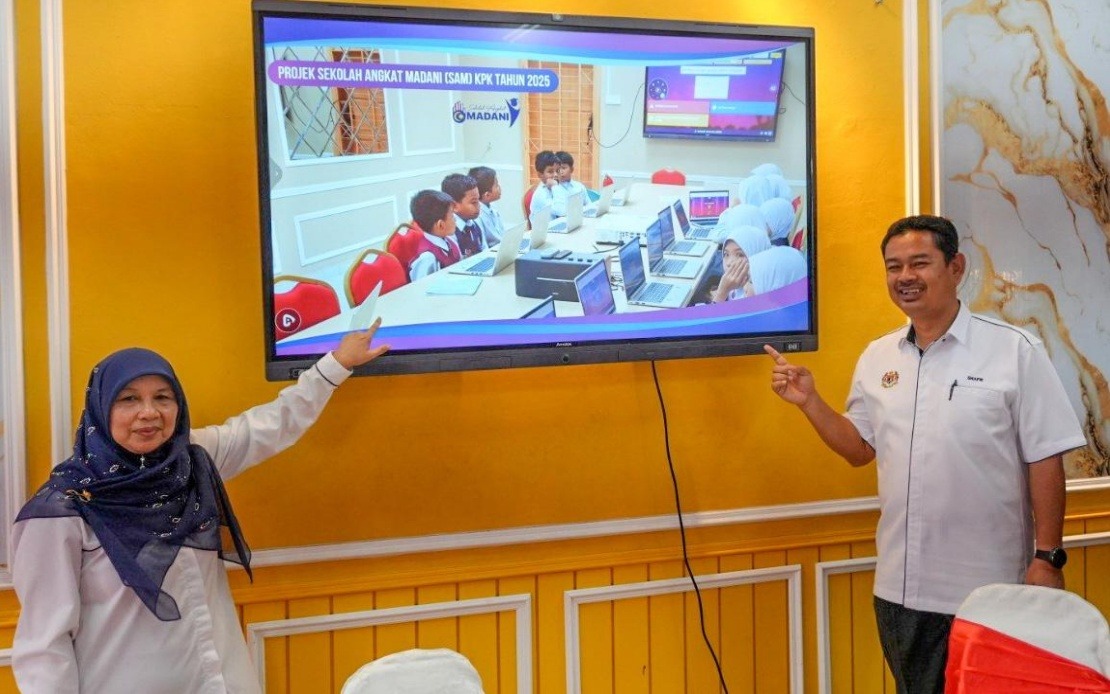
The Ministry of Plantation and Commodities (KPK) has injected RM100,000 into SK Bendang Kering in Kuala Kangsar as part of a structured school adoption programme designed to elevate educational standards in rural communities. The funding commitment was formally handed over during a ceremony at the school on June 19, with KPK deputy secretary-general (Strategic Planning and Management) Shafie Taib presiding over the event. This initiative reflects the government's broader push to ensure that students in less developed areas are not disadvantaged when it comes to accessing quality educational infrastructure and contemporary learning tools.
The Malaysian Rubber Board (LGM) has been designated as the implementing partner for this adoption scheme, shouldering responsibility for coordinating the infrastructure improvements and supporting the school's broader development objectives. This arrangement allows the KPK to extend its reach into education while leveraging the rubber industry board's institutional capacity and resources. The collaboration underscores how sectoral ministries can channel support beyond their immediate purview, contributing to the national education system's modernisation goals while simultaneously reinforcing the government's commitment to human capital development across all regions.
Physical infrastructure improvements form the cornerstone of the project. The allocation has funded comprehensive upgrades to the assembly area, main hall, reading corners, and preschool classrooms, creating a more conducive environment for daily school activities. Complementing these structural enhancements, the school has received interactive smartboards to facilitate pedagogical innovation. These digital teaching aids enable educators to deliver lessons in more engaging and creative ways, moving beyond traditional chalkboard instruction to leverage multimedia resources that appeal to modern learners. The provision reflects recognition that rural schools must have equivalent technological access to maintain educational parity.
The comfort and functionality of learning spaces have been prioritised through the installation of air conditioning units, a seemingly basic amenity that significantly impacts student concentration and retention during Malaysia's hot and humid climate. New furniture has been installed across classrooms, replacing older or worn equipment that may have compromised students' physical comfort and posture during extended learning periods. Complementary improvements include educational signage throughout the campus, helping to reinforce learning themes and create a more purposeful, literacy-rich environment. These incremental enhancements collectively transform the school's physical character, signalling to students and the community that learning is valued and worthy of investment.
Beyond infrastructure, the scheme encompasses structured academic support targeting core subjects that form the foundation of primary education. An academic performance initiative focusing on Malay, English, Science, and Mathematics has been introduced, with incentive schemes motivating students who achieve excellence. This targeted approach recognises that infrastructure alone cannot drive learning outcomes; pedagogical support and student motivation are equally critical. By rewarding academic achievement, the programme encourages healthy competition and sends a clear message that the institution prioritises scholarly excellence. The recognition of high-performing students also boosts school morale and creates positive peer pressure that benefits the broader student cohort.
Character and leadership development constitutes another pillar of the adoption scheme, extending educational objectives beyond academic credentials. The Student Leadership Motivation Camp and Student Talent Development Camp are structured initiatives designed to help young learners identify and cultivate their strengths, whether academic, artistic, athletic, or interpersonal. These programmes respond to growing recognition that 21st-century competitiveness demands more than subject mastery; employers and higher education institutions increasingly value communication skills, emotional intelligence, teamwork, and creative problem-solving. Rural students have traditionally had fewer exposure to such developmental opportunities, making their inclusion in this scheme particularly significant for social mobility and future career prospects.
The selection of SK Bendang Kering for this adoption initiative carries symbolic weight beyond the immediate beneficiaries. It represents an intentional government decision to channel resources toward a rural primary school, challenging the historical pattern whereby educational investment has concentrated in urban centres. This geographic equity approach acknowledges that access disparities between rural and urban schools, if left unaddressed, perpetuate broader socioeconomic inequalities. By demonstrating tangible commitment to rural education, the government signals that it takes seriously its obligation to provide equal opportunities for all Malaysian children, regardless of their parents' geographic or economic circumstances.
The KPK's positioning of this initiative as part of a broader human capital empowerment agenda connects school-level investments to national economic and social development objectives. The ministry frames its rationale not merely in humanitarian terms but as essential infrastructure for producing the skilled, knowledgeable, and competitive workforce that Malaysia requires to sustain economic growth and regional competitiveness. This framing acknowledges that educational investment is not philanthropic discretionary spending but strategic investment in the nation's future productive capacity. For policymakers considering education funding priorities, such linkage to economic outcomes can strengthen the case for sustained investment in previously underfunded areas.
The school adoption programme model offers scalability potential beyond this single institution. By establishing a replicable framework through which government ministries can partner with schools, the initiative demonstrates institutional capacity to extend targeted support across the education system. If successfully implemented and monitored at SK Bendang Kering, the model could serve as a template for similar partnerships elsewhere, gradually reducing infrastructure gaps and capability disparities between privileged and marginalised schools. The involvement of LGM as an implementing agency also shows how organisations outside the education sector can be mobilised to contribute to learning outcomes, expanding the potential resource base available for school improvement.
For SK Bendang Kering students, parents, and educators, the immediate practical changes are substantial. Modern facilities enhance daily learning experiences, interactive technology makes lessons more engaging, and structured support programmes provide pathways for both academic and personal development. The dignified treatment signalled by these investments matters psychologically; students attending a well-resourced, visibly prioritised school internalize messages about their value and potential in ways that influence aspiration and self-confidence. Over time, these shifts in school environment and student mindset can translate into improved attendance, retention, and learning outcomes, with ripple effects extending into the community's broader social fabric.
The sustainability of such initiatives depends partly on maintenance and continued engagement beyond the initial funding phase. While the RM100,000 allocation addresses immediate infrastructure and programme launch, long-term success requires ongoing support for teacher development, curriculum enhancement, and facility upkeep. The designation of LGM as implementing agency suggests some institutional commitment to ongoing oversight, though explicit details regarding programme duration and sustaining mechanisms remain unclear from available information. Malaysian policymakers and education stakeholders should monitor this model's effectiveness and durability, as lessons learned could inform future school adoption initiatives and shape broader strategies for narrowing educational disparities.