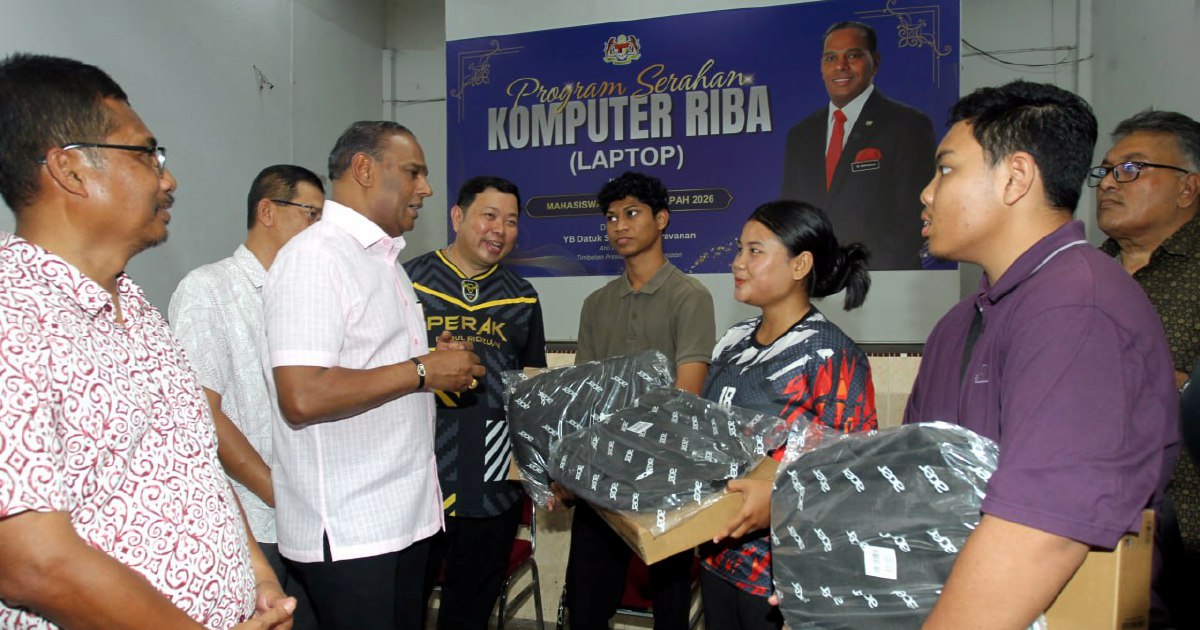
The Malaysian Indian Congress is in the early stages of a comprehensive campaign strategy for the upcoming Melaka election, encompassing candidate identification, voter mapping, and issue prioritisation. Speaking in Tapah, party officials outlined efforts to identify strong contenders capable of winning seats in Malaysia's southernmost state, while simultaneously gauging the concerns and preferences of the electorate across various demographic groups.
MIC's approach reflects the competitive nature of electoral politics in Melaka, where coalition arrangements and candidate selection have historically influenced outcomes. The party is conducting targeted assessments of potential candidates, evaluating their grassroots appeal, community standing, and capacity to connect with voters. This methodical vetting process is intended to ensure that MIC fields competitive contestants who can credibly represent constituent interests and maintain the party's relevance within the Barisan Nasional framework.
The party's focus on understanding voter demographics, particularly among communities traditionally aligned with MIC, indicates awareness that electoral success depends on accurately reading shifting political sentiment. By examining voter composition and preferences early in the campaign cycle, MIC seeks to tailor messaging and policy positions to resonate with Melaka's diverse electorate. This data-driven approach enables more efficient resource allocation and targeted outreach compared to blanket campaign strategies.
Melaka's political landscape has undergone substantial changes in recent electoral cycles, with shifts in voter allegiances and the emergence of new political dynamics following constitutional amendments and state-level developments. MIC's groundwork encompasses understanding how these broader changes have affected voting patterns and whether traditional voter bases remain consolidated. The party's assessment of key issues allows it to position itself as responsive to real community concerns rather than offering generic campaign promises.
The identification of priority issues facing Melaka voters—whether concerning economic opportunities, education, healthcare, or communal affairs—helps MIC calibrate its campaign messaging. This exercise is particularly crucial for a component party within an established coalition, as MIC must differentiate itself while remaining aligned with broader Barisan Nasional objectives. By understanding local grievances and aspirations, the party can craft narratives that emphasise both collective coalition goals and MIC's specific contributions to addressing Melaka-specific challenges.
MIC's electoral preparations in Melaka occur within the broader context of Indian Malaysian political representation and participation. The party faces ongoing pressure to remain relevant to the Indian Malaysian community while adapting to evolving socioeconomic realities and political preferences. Early candidate vetting and voter assessment suggest the party is attempting to move beyond reactive campaign strategies toward proactive position-building that could strengthen its negotiating power within coalition discussions.
The party's examination of voter demographics, including ethnic composition analysis, reflects standard contemporary electoral strategy. Understanding which communities inhabit different constituencies, their demographic trajectories, and their political inclinations allows campaign teams to deploy resources strategically. For MIC specifically, assessing how Indian Malaysian populations and other voter groups perceive the party's performance on governance, representation, and community advocacy directly informs candidate selection and messaging priorities.
Melaka's significance in Malaysian political calculations extends beyond its immediate state government context. As a swing state that has experienced contested elections and coalition negotiations, Melaka often influences national political discourse and demonstrates broader electoral trends. MIC's systematic preparation suggests recognition that strong performance in Melaka could strengthen the party's position in national coalition politics and demonstrate continued viability as a component member of Barisan Nasional.
The timing of MIC's groundwork is strategically significant, as early preparation allows for refined candidate selection, volunteer mobilisation, and issue development before formal campaign periods commence. Rather than scrambling for candidates during official nomination periods, this advance work enables MIC to enter electoral contests with pre-vetted candidates already established within communities. Such preparation also facilitates coherent party messaging across constituencies, ensuring consistency in policy positions while allowing local nuance in addressing specific community concerns.
MIC's voter assessment exercise carries implications for broader Malaysian political dynamics. The party's evaluation of voter sentiment, particularly regarding issues of concern to Indian Malaysian communities and Melaka residents generally, may reveal shifting political preferences or emerging concerns that coalition partners should address. Understanding these voter priorities helps explain what political messages resonate and which policy areas might require coalition-wide attention to maintain electoral support.
The party's comprehensive preparation for Melaka elections underscores the professionalisation of Malaysian political campaigning, where data-driven strategies increasingly complement traditional grassroots mobilisation. By combining candidate evaluation, voter analysis, and issue identification, MIC is attempting to build a more evidence-informed campaign architecture. This approach acknowledges that electoral success depends on aligning candidate quality, campaign messaging, and policy positions with demonstrated voter preferences and community realities.

