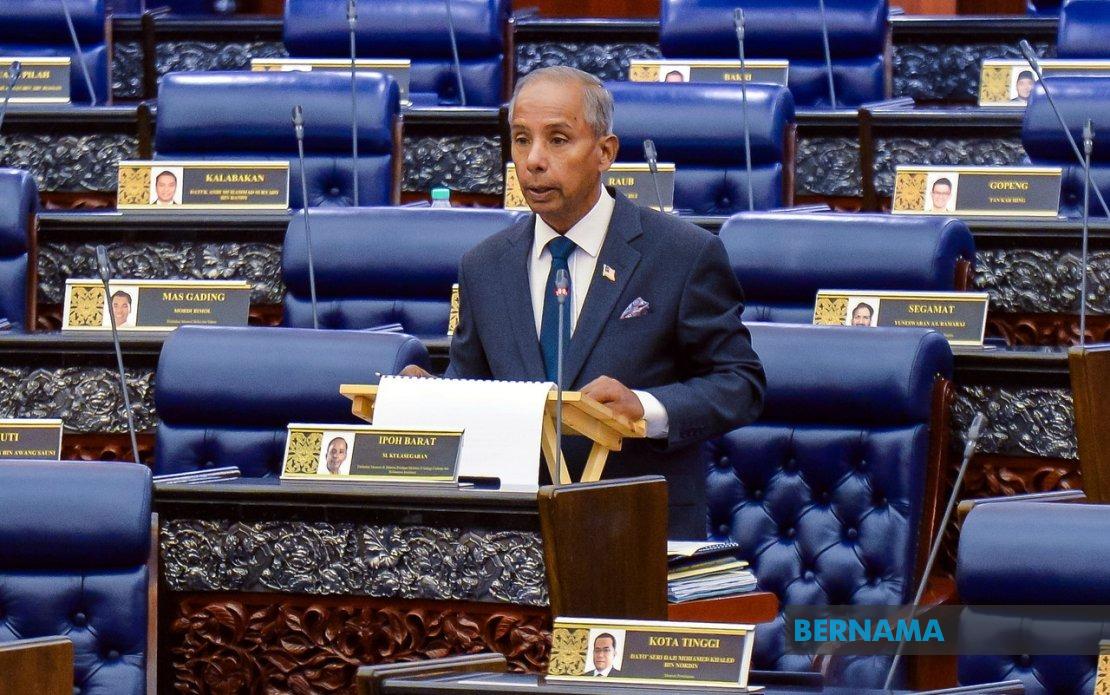
Parliament's lower house has given overwhelming approval to legislative changes that fundamentally reshape how Malaysia pursues predators who victimise children beyond the nation's borders. The Sexual Offences Against Children (Amendment) Bill 2026, passed by the Dewan Rakyat on June 30 following substantive deliberation among 25 lawmakers from both government and opposition benches, represents a significant hardening of the country's stance against extraterritorial child abuse.
The legislative modification introduces extraterritorial reach into Malaysia's child protection framework, addressing a persistent vulnerability in international enforcement. Previously, individuals with connections to Malaysia could theoretically commit sexual offences against children in foreign jurisdictions while remaining insulated from Malaysian legal consequences. This amendment closes that gateway by enabling authorities to pursue cases where the accused maintains ties to the country, regardless of where the crime physically occurred. The distinction matters enormously for families and investigative agencies seeking accountability across borders.
M. Kulasegaran, Deputy Minister in the Prime Minister's Department (Law and Institutional Reform), clarified during parliamentary proceedings that the amendment operates within carefully delineated boundaries. Malaysia is not claiming blanket jurisdiction over every child abuse case occurring internationally. Instead, the framework preserves the principle of primary jurisdiction for the country where offences transpired. This measured approach reflects international legal norms while still addressing a genuine enforcement gap affecting Malaysian nationals and residents who prey on vulnerable children abroad.
The practical mechanics of enforcement will depend heavily on institutional cooperation and diplomatic coordination. When allegations surface in multiple jurisdictions simultaneously, Malaysian authorities will engage with counterparts through established international channels to determine which venue offers the most effective investigative and prosecutorial response. Considerations including witness availability, evidence preservation, judicial capacity, and ultimately the best interests of child victims will guide these decisions. This collaborative framework acknowledges that extraterritorial jurisdiction, however well-intentioned, functions optimally within coordinated legal systems rather than through competitive territorial claims.
For Malaysian readers, the amendment carries immediate relevance given the country's position as both a source and transit point in international human trafficking networks. Children from Southeast Asia are disproportionately vulnerable to exploitation by perpetrators who deliberately exploit jurisdictional gaps. Enabling Malaysian prosecution of nationals or residents who commit such offences overseas substantially strengthens protections for vulnerable populations throughout the region. The legislation sends an unambiguous signal that geography no longer shields predators from accountability.
The broad parliamentary support—encompassing both government and opposition members—underscores recognition that child protection transcends partisan divisions. This consensus reflects public concern about child sexual exploitation generally and acknowledgment that existing legal frameworks had developed blind spots. The bipartisan backing also increases likelihood of effective implementation, as enforcement agencies will face fewer political obstacles and enjoy sustained institutional commitment across electoral cycles.
Southeast Asian context further illuminates the amendment's significance. The region faces documented challenges with child sexual abuse material production and distribution, often involving offenders who maintain distance from immediate crime scenes through digital intermediaries. Expanding Malaysia's extraterritorial reach contributes to a broader regional architecture of accountability, particularly when coordinated with similar initiatives in Singapore, Thailand, and other neighbouring jurisdictions. Cumulative legislative changes across the region progressively narrow the operational space for transnationally-oriented abusers.
Implementation will test Malaysia's diplomatic infrastructure and international law enforcement relationships. Officers will require training in navigating foreign legal systems, managing evidence collected under different procedural standards, and conducting investigations across language and cultural barriers. The Attorney General's Chambers will need expanded capacity and resources to coordinate with foreign counterparts systematically rather than on ad-hoc bases. Investment in these institutional capacities will determine whether legislative intention translates into actual prosecutions.
The amendment also reflects evolving international norms around extraterritorial jurisdiction. Most developed nations now recognise that permitting citizens to commit crimes abroad while remaining unreachable at home represents intolerable policy failure. Maritime jurisdictions and digital crimes have already normalised extraterritorial application. Extending this principle to child sexual abuse reflects global recognition that such offences represent threats to fundamental human dignity that transcend territorial boundaries.
Critical questions remain regarding practical thresholds for Malaysian intervention. The legislation will likely require interpretive development through appellate decisions addressing whether casual residence, citizenship held at any prior point, corporate registration, or digital presence establishes sufficient connection to trigger jurisdiction. These borderline cases will determine whether the law's protective reach remains robust or gradually narrows through judicial interpretation.
Moving forward, the amendment's real-world effectiveness will emerge through enforcement patterns over coming years. Civil society organisations monitoring prosecution rates, conviction outcomes, and international cooperation metrics can provide early warning if implementation lags legislative intent. The parliamentary consensus supporting passage suggests political will exists to resource enforcement adequately, though budgetary pressures and competing priorities persistently threaten such commitments in practice.
Ultimately, this legislative evolution reflects Malaysia's maturing recognition that child protection requires institutional responses matching the sophistication of transnational exploitation networks. By extending accountability beyond territorial boundaries while respecting international legal cooperation principles, the amendment positions Malaysia within a modernising global framework. The true measure of success will appear not in parliamentary debates but in courtrooms where this expanded jurisdiction translates into protection for vulnerable children throughout and beyond the region.

