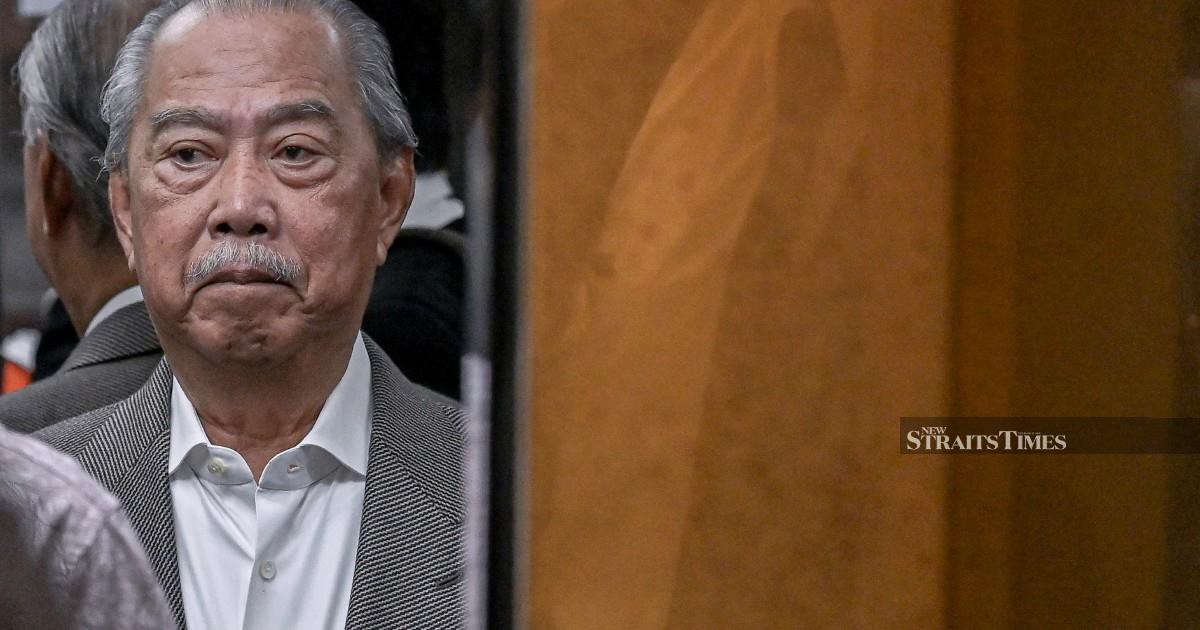
A finance manager employed by KCJ Engineering Sdn Bhd provided testimony before the High Court in Kuala Lumpur on Wednesday, stating she had been informed that a substantial RM800,000 contribution to the political party Bersatu maintained a direct connection to Jana Wibawa projects that the engineering firm had received.
The disclosure marks a significant moment in ongoing investigations into the intersection of corporate political donations and government contract awards. The Jana Wibawa Initiative, a national development programme, has come under scrutiny as authorities examine whether business entities receiving project allocations subsequently made partisan contributions. For Malaysian readers tracking corporate governance issues, this case exemplifies the complexity surrounding donation transparency and the potential intermingling of commercial interests with political funding structures.
The testimony presented in court suggests that within KCJ Engineering's internal communications and financial deliberations, there existed understanding—whether explicit or implied—that the company's contribution to Bersatu bore substantive relevance to projects it had secured through government channels. Such disclosure during judicial proceedings typically indicates that investigative bodies have gathered documentary or witness evidence suggesting a correlation between contract awards and subsequent political support.
The Jana Wibawa projects themselves represent a broader government initiative aimed at driving economic development and infrastructure improvement across Malaysia. That a private contractor engaged in these projects would simultaneously channel significant funds to a particular political party naturally invites examination of whether contractual relationships influenced or were influenced by political allegiances. This dynamic carries implications for how Malaysian businesses navigate the intersection of commerce, government relations, and political participation.
From a regulatory perspective, Malaysia's political financing framework has long been subject to debate regarding transparency and accountability. Political party donations remain an area where disclosure requirements exist but enforcement mechanisms have faced criticism. The KCJ Engineering case exemplifies why clearer guidelines distinguishing legitimate business-political relationships from problematic quid pro quo arrangements remain important for maintaining public confidence in both governmental procurement processes and the political system.
The finance manager's courtroom statement introduces an additional layer of complexity: the question of whether such donations reflect organisational decisions by company leadership or represent understandings about contractual expectations. Her account that she was "informed" of the connection suggests knowledge passed through the company's hierarchy, possibly indicating that decision-makers understood the link as material to their business interests.
For businesses operating in Malaysia's development sector, this testimony underscores the contemporary scrutiny applied to government contracting relationships. Companies increasingly face expectations that their operations demonstrate separation between commercial activities and political contributions, even when such separation remains theoretically challenging in practice. The Jana Wibawa context is particularly significant given the programme's scale and the multiple contractors involved.
The High Court proceedings themselves reflect Malaysia's judicial engagement with cases touching on political finance, government contracts, and corporate accountability. These cases frequently involve technical financial evidence and witness testimony regarding internal company communications and decision-making processes. The fact that a finance manager's understanding of project-donation linkage merits courtroom examination indicates that investigative authorities have pursued detailed examination of corporate records and personnel knowledge.
Regionally, Malaysia's experience with scrutinising political donations and government contracting relationships parallels challenges faced across Southeast Asia. Thailand, Indonesia, and the Philippines have similarly grappled with distinguishing legitimate corporate political participation from arrangements that compromise procurement integrity. Malaysian authorities' pursuit of such cases positions the country within this regional conversation about governance standards.
The broader implications extend beyond KCJ Engineering to the wider contractor community working on government projects. Many Malaysian businesses maintain relationships with political parties through various mechanisms—donations, sponsorships, and employment arrangements. Cases like this one trigger internal reviews within organisations regarding how such relationships are structured, documented, and justified to shareholders and regulatory bodies.
Looking forward, the High Court's treatment of this testimony may influence how Malaysian courts evaluate evidence linking political contributions to government contracts. Should findings support assertions of improper connections, consequences could extend to contract validity, funding recovery, and broader policy discussions about strengthening procurement independence from political considerations. Conversely, the court may determine that while temporal and documentary connections exist, they do not constitute unlawful arrangements.
The Jana Wibawa initiative's credibility also faces questions depending on investigation outcomes. Public development programmes derive legitimacy partly from the perception that beneficiary selection reflects merit and developmental priorities rather than political considerations. If multiple contractors receiving Jana Wibawa allocations subsequently contributed to particular political parties, patterns suggesting systemic issues could emerge, potentially prompting programme review or enhanced oversight mechanisms.
Stakeholders monitoring Malaysian corporate governance—including investors, auditors, compliance professionals, and business associations—are tracking such cases closely as indicators of evolving expectations regarding political donations, disclosure practices, and the relationship between commercial success and political support. The KCJ Engineering finance manager's testimony thus carries significance extending well beyond one company's accounting practices, touching instead on fundamental questions about how Malaysia structures the relationship between business, politics, and public procurement.

