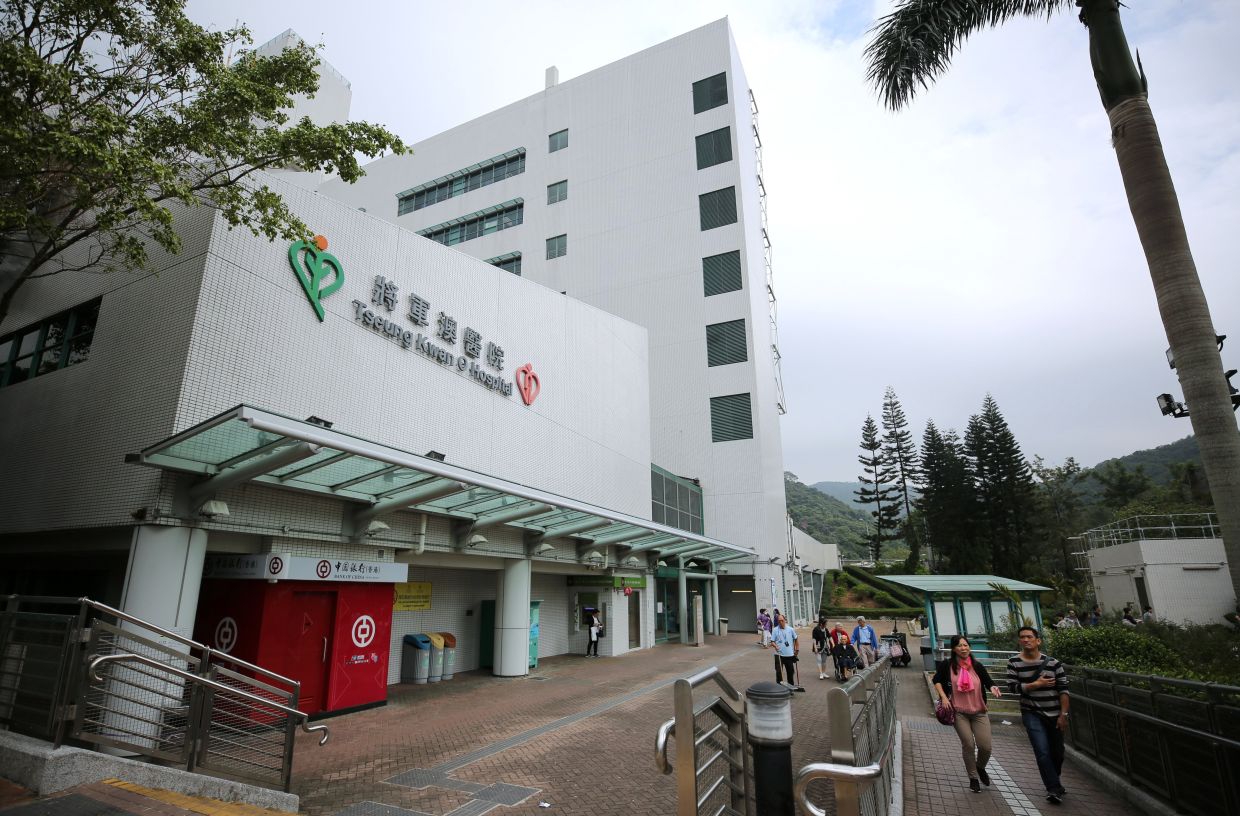
Tseung Kwan O Hospital in Hong Kong has released findings from an inquiry into a fatal surgical error in which a surgeon created a colostomy opening in the wrong organ, revealing that cognitive bias played a central role in the life-threatening mistake. The hospital's cause analysis report, released on Thursday, examined the February 7 incident involving an 85-year-old woman who had obstructive sigmoid colon cancer and subsequently died in March, adding to growing scrutiny of patient safety in Hong Kong's public healthcare system.
The intended procedure was a straightforward transverse colostomy designed to alleviate an intestinal blockage by creating a surgical opening, or stoma, in the abdominal wall. The woman's vital signs initially remained stable following the operation, but medical staff began noticing unusually elevated output from the stoma, a sign that should have prompted immediate investigation. However, this warning signal went largely unheeded by the surgical team, setting the stage for a cascade of complications.
The patient's condition deteriorated sharply on March 1 when she developed low blood pressure and tachycardia, requiring emergency transfer from Haven of Hope Hospital back to Tseung Kwan O Hospital the following day. A computerised tomography scan then revealed the catastrophic error: the surgeon had created the stoma in the stomach rather than the transverse colon. By this point, her clinical deterioration was irreversible. She died on March 3 after her family consented to a do-not-attempt-resuscitation order, marking a tragic outcome that could have been prevented through proper surgical verification.
The hospital's investigation attributed the surgical error to the surgeon exhibiting "confirmation bias" when identifying structures within the abdominal cavity during the operation. This cognitive phenomenon, where individuals unconsciously seek information that confirms their existing beliefs while dismissing contradictory evidence, proved disastrous in this context. The report explicitly stated that the surgeon wrongly exteriorised the stomach instead of the transverse colon without implementing additional confirmation measures or cross-checks that are standard safety protocols in modern surgery.
Beyond the surgeon's individual error, the inquiry identified systemic deficiencies across the surgical team that compounded the initial mistake. Abnormal stomal output—which should have triggered immediate reassessment—was inadequately monitored and acted upon. The healthcare staff involved demonstrated insufficient experience in managing complex post-operative scenarios. Critically, communication between the surgical team and rehabilitation staff proved inadequate, delaying recognition and intervention when warning signs emerged after the patient's transfer to a different facility.
Former Hong Kong lawmaker Michael Tien Puk-sun has intensified calls for disciplinary action against the surgeon, highlighting that this individual had a documented history of previous errors. Tien characterised the blunder as a rookie mistake of inexplicable severity, questioning how such fundamental surgical errors could occur in an institution responsible for maintaining Hong Kong's reputation as a leading medical hub in Asia. His remarks reflect broader public concern about accountability within the healthcare system, particularly when preventable errors result in patient deaths.
The investigation panel issued comprehensive recommendations aimed at preventing similar incidents. These include a systematic review of clinical governance structures within the surgery department, mandatory involvement of surgical teams in patient care continuity even after transfer between facilities, and requirements that stoma and wound care specialists conduct thorough post-operative assessments with proper documentation and timely reporting protocols. Each recommendation directly addresses gaps identified in this case.
Tseung Kwan O Hospital has confirmed acceptance of all recommendations and announced implementation of enhanced patient safety measures, including a restructuring of the surgery department under a cluster-based governance model. This administrative reorganisation aims to improve oversight and communication between different surgical units. However, critics note that such structural changes, while necessary, do not directly address the underlying issue of individual surgeon competence and judgment that directly caused this patient's death.
The hospital indicated that it would pursue human resources procedures concerning the doctors involved and may refer the case to the Medical Council, Hong Kong's medical regulatory body. The potential involvement of the Medical Council raises questions about whether the surgeon's registration status will be reviewed or restricted. For Malaysian readers, this case underscores the importance of robust patient safety protocols in Southeast Asian hospitals, where similar systemic vulnerabilities may exist.
This incident carries particular significance for the region's healthcare system, as it demonstrates that even in well-established institutions, multiple layers of safeguards can fail when cognitive biases and inadequate team communication intersect. The case serves as a cautionary reminder that technological advancement and hospital accreditation alone cannot guarantee patient safety without vigilant adherence to verification protocols and strong inter-departmental communication. Malaysian healthcare providers may view this Hong Kong experience as a valuable lesson in strengthening surgical governance frameworks and implementing fail-safe verification systems before, during, and after critical procedures.


%22%2F%3E%3C%2Fpattern%3E%3C%2Fdefs%3E%3Crect%20width%3D%22100%25%22%20height%3D%22100%25%22%20fill%3D%22url(%23ph4rvt6g)%22%2F%3E%3Crect%20width%3D%22100%25%22%20height%3D%22100%25%22%20fill%3D%22url(%23ph4rvt6p)%22%2F%3E%3Ctext%20x%3D%2250%25%22%20y%3D%2250%25%22%20text-anchor%3D%22middle%22%20dominant-baseline%3D%22central%22%20fill%3D%22rgba(255%2C255%2C255%2C0.95)%22%20font-family%3D%22Georgia%2C%20'Times%20New%20Roman'%2C%20serif%22%20font-weight%3D%22700%22%20font-size%3D%22320%22%20letter-spacing%3D%22-0.02em%22%3ERare%3C%2Ftext%3E%3C%2Fsvg%3E)