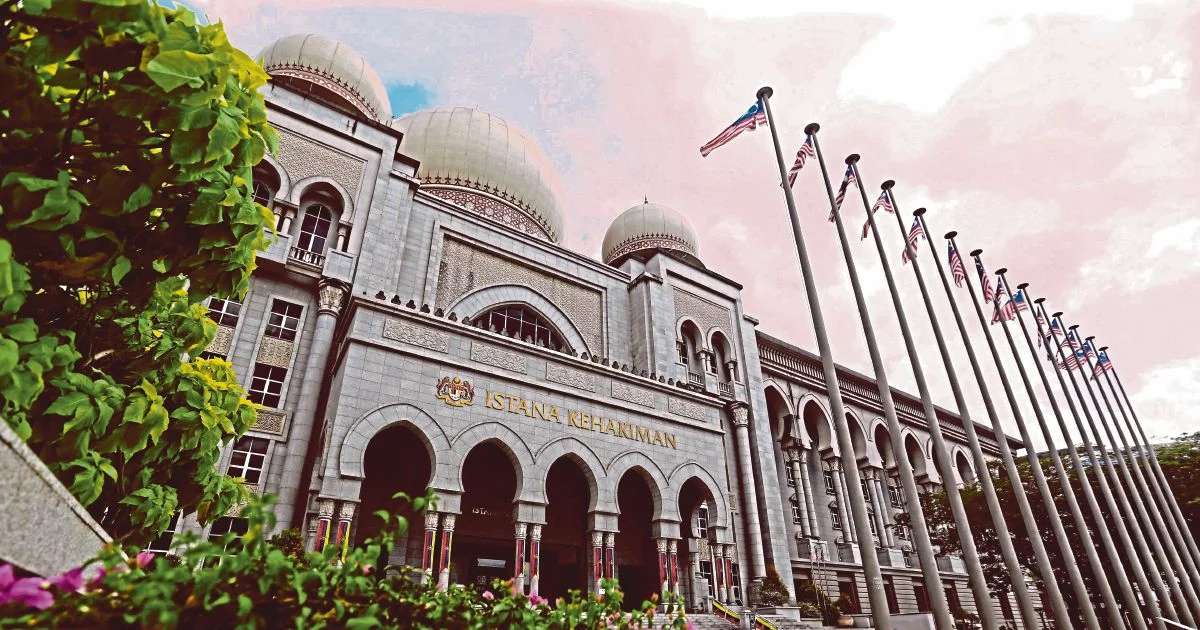
The Malaysian judiciary enters a significant week with two prominent corruption-related cases commanding public and media scrutiny. Former Felda chairman Datuk Seri Mohd Isa Abdul Samad's ongoing review of his corruption conviction and the parallel proceedings against retired military leader Tan Sri Muhammad Hafizuddeain Jantan on money laundering charges represent critical junctures in the nation's continuing fight against graft and financial crimes.
Mohd Isa Abdul Samad's case carries particular resonance given his long history in Malaysian politics and institutional leadership. As the former chief of the Federal Land Development Authority, a major plantation and rural development agency, his position granted considerable influence over significant state resources and land distribution programmes. The review of his conviction signals the judiciary's commitment to examining past cases through contemporary legal standards and evidence scrutiny, a process that has become increasingly common as anti-corruption efforts gain momentum and investigative techniques improve.
The conviction review process itself reflects an important aspect of Malaysia's legal framework. Such reviews typically occur when new evidence emerges, procedural irregularities are identified, or appellate courts determine that grounds exist for reconsidering sentencing and findings. For observers tracking Malaysia's progress on governance and institutional accountability, the handling of high-profile figures remains a bellwether of the judicial system's independence and effectiveness. The scrutiny applied to this case will undoubtedly influence public confidence in how the courts handle similar matters involving former officials.
In parallel, the proceedings against Tan Sri Muhammad Hafizuddeain Jantan introduce another dimension to this week's legal proceedings. The retired military commander's involvement in alleged money laundering activities raises questions about how financial crimes permeate institutions traditionally viewed as custodians of national security and discipline. Military leaders occupy positions of enormous trust and authority, making any allegations of financial misconduct particularly significant for institutional integrity and public confidence in defence establishments.
Money laundering cases, by their nature, often intersect with broader organised crime networks and corruption ecosystems. The charges against a former military chief suggest investigative authorities have identified concerns warranting formal prosecution. Such cases typically require substantial documentary evidence, financial transaction records, and witness testimony to establish the movement of illicit funds through legitimate channels. The complexity of mounting credible money laundering prosecutions means that cases reaching this stage have often undergone exhaustive preliminary investigation.
For Southeast Asian readers and Malaysia particularly, these parallel cases underscore the region's intensifying confrontation with financial crimes and institutional corruption. International pressure for compliance with anti-money laundering standards, combined with regional cooperation agreements, has elevated the sophistication and persistence of financial crime investigations. Malaysia's willingness to prosecute prominent military and civilian figures sends signals about the evenhandedness of its judicial system—a factor increasingly important for the nation's international standing and investor confidence.
The implications extend beyond individual accountability. Both cases demonstrate that no sector or rank provides immunity from legal consequences when evidence of wrongdoing emerges. This week's proceedings will be closely observed by civil society organisations, anti-corruption advocates, and government agencies involved in institutional reform. The outcomes may influence how future investigations into high-profile figures are conducted and which standards of evidence prove persuasive to the courts.
The timing of these cases arriving simultaneously reflects the backlog commonly experienced by superior courts handling complex criminal matters. Both corruption and money laundering cases typically demand extensive courtroom time for examination of witnesses, cross-examination of evidence, and detailed legal arguments. The docket concentration this week illustrates the substantial judicial resources required to process major financial crime cases properly—a reality affecting case throughput and sentencing schedules across Malaysian courts.
For those tracking Malaysia's governance trajectory, this week's proceedings matter beyond their immediate legal outcomes. Each judgment and procedural decision contributes to the evolving jurisprudence around how courts interpret corruption statutes, assess evidence in financial crime cases, and balance institutional concerns with accountability requirements. The attention these cases receive also reflects broader public awareness of governance issues and citizen expectations regarding how officials—both serving and retired—should conduct themselves regarding public resources and financial probity.
As the courts prepare for these hearings, the precedents and principles established will likely resonate throughout Malaysia's institutions. Military leadership, governmental administration, and statutory authorities all have stakes in how these cases unfold and how courts approach similar allegations in future. The judiciary faces the ongoing challenge of demonstrating that its scrutiny applies uniformly regardless of an accused person's former position or prominence.
%22%2F%3E%3C%2Fpattern%3E%3C%2Fdefs%3E%3Crect%20width%3D%22100%25%22%20height%3D%22100%25%22%20fill%3D%22url(%23ph3l4smg)%22%2F%3E%3Crect%20width%3D%22100%25%22%20height%3D%22100%25%22%20fill%3D%22url(%23ph3l4smp)%22%2F%3E%3Ctext%20x%3D%2250%25%22%20y%3D%2250%25%22%20text-anchor%3D%22middle%22%20dominant-baseline%3D%22central%22%20fill%3D%22rgba(255%2C255%2C255%2C0.95)%22%20font-family%3D%22Georgia%2C%20'Times%20New%20Roman'%2C%20serif%22%20font-weight%3D%22700%22%20font-size%3D%22194%22%20letter-spacing%3D%22-0.02em%22%3EBersatu%3C%2Ftext%3E%3C%2Fsvg%3E)
%22%2F%3E%3C%2Fpattern%3E%3C%2Fdefs%3E%3Crect%20width%3D%22100%25%22%20height%3D%22100%25%22%20fill%3D%22url(%23ph4zr2og)%22%2F%3E%3Crect%20width%3D%22100%25%22%20height%3D%22100%25%22%20fill%3D%22url(%23ph4zr2op)%22%2F%3E%3Ctext%20x%3D%2250%25%22%20y%3D%2250%25%22%20text-anchor%3D%22middle%22%20dominant-baseline%3D%22central%22%20fill%3D%22rgba(255%2C255%2C255%2C0.95)%22%20font-family%3D%22Georgia%2C%20'Times%20New%20Roman'%2C%20serif%22%20font-weight%3D%22700%22%20font-size%3D%22320%22%20letter-spacing%3D%22-0.02em%22%3EKing%3C%2Ftext%3E%3C%2Fsvg%3E)