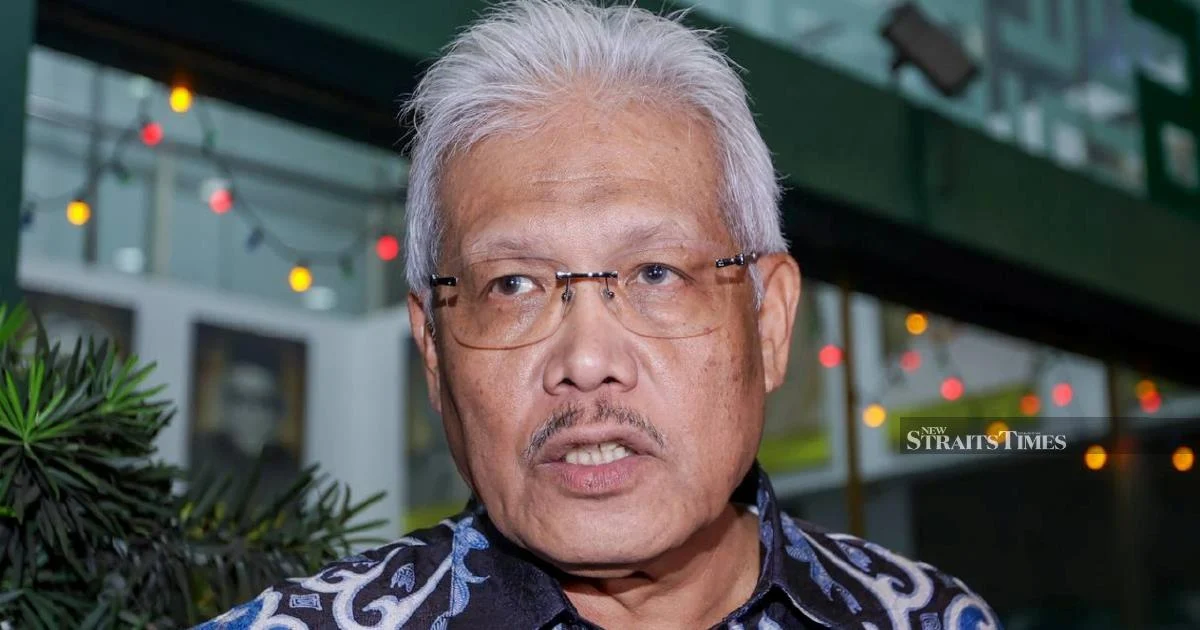
The Malaysian Parliament will receive formal notification of Datuk Seri Hamzah Zainudin's appointment as opposition leader before MPs reconvene for their next sitting. Officials confirmed in Kota Baru that the documentation will be properly submitted to the Dewan Rakyat Speaker, establishing the parliamentary recognition required for Hamzah to exercise the constitutional and ceremonial responsibilities attached to the position.
This procedural step represents a pivotal institutional moment in the country's legislative framework. The opposition leader role carries significant parliamentary privileges, including priority in debate scheduling, access to reserved speaking time, and formal representation when engaging with the government on matters of national importance. The formalization through official notice ensures that all parliamentary procedures and conventions governing this office will properly apply to Hamzah from the moment of recognition.
Hamzah's elevation to the opposition leadership position signals noteworthy shifts within Malaysia's fractious political landscape. His appointment reflects developments within the opposition coalition and decisions about which figure commands sufficient backing to claim the mantle of leading the parliamentary opposition. The timing of submitting the notice before rather than during the next sitting demonstrates parliamentary protocol and allows administrative preparation.
The notification process, though administrative in nature, carries deeper political significance in Malaysia's Westminster-influenced system. Formal recognition by the Speaker's office represents institutional acknowledgment of parliamentary strength and legitimacy. It provides the opposition leader with standing to raise matters of urgent public importance, demand government responses on policy failures, and coordinate opposition-side questioning during parliamentary debates.
This development arrives amid ongoing realignment within Malaysian opposition politics. Various opposition blocs have competed for legislative influence and public perception as the authentic alternative government. The crystallization of opposition leadership under Hamzah suggests consolidation efforts within opposition ranks, though Malaysia's fractious party system means such arrangements remain subject to fluid political dynamics and potential instability.
The submission deadline—before the next parliamentary sitting rather than at its commencement—reflects practical parliamentary management. It allows the Speaker's office to update parliamentary records, notify all relevant authorities, and ensure procedural readiness. This advance notice ensures that when parliament reconvenes, the opposition leader will immediately possess full standing and all accompanying parliamentary privileges without requiring additional formalities.
For Malaysian and Southeast Asian observers, the succession question matters beyond mere titles. The opposition leader serves as the primary interlocutor with government on legislative matters and represents the most organized parliamentary alternative to the ruling administration. The designation therefore carries implications for how opposition voices will be heard during debates, how scrutiny of government policy will be structured, and which opposition figure will gain prominence in national discourse.
Hamzah's background and political networks position him distinctively within opposition circles. His appointment reflects calculations about which opposition figure possesses sufficient cross-party backing, parliamentary experience, and public credibility to effectively discharge opposition responsibilities. The formal notification crystallizes these political judgments into institutional reality.
Regional political observers have noted how Malaysia's Westminster parliamentary system differs from presidential arrangements found elsewhere in Southeast Asia. In Malaysia, the opposition leader gains institutional prominence precisely because of parliament's continuing role in government accountability. Formal recognition strengthens the opposition leader's ability to demand parliamentary time, raise constitutional questions, and provide organized counterweight to executive power.
The procedural move also reflects Malaysia's attention to parliamentary convention and institutional propriety. Despite the country's reputation for political turbulence, key actors generally observe fundamental parliamentary rules and processes. The decision to formally notify the Speaker before rather than during the next sitting demonstrates respect for institutional procedures even amid competitive political circumstances.
Looking ahead, Hamzah's recognized status as opposition leader will shape parliamentary dynamics significantly. His interventions will receive amplified attention, his questions will command priority, and his position will allow him to frame opposition strategy more effectively. These procedural advantages translate into genuine influence over parliamentary agenda and national conversation.
The notice submission deadline also provides opposition members clarity about their leadership structure. Some observers have noted uncertainty within opposition ranks about formal positions and decision-making authority. Hamzah's official recognition removes ambiguity and establishes clear lines of opposition coordination and representation during parliamentary sessions.
Ultimately, this administrative notification marks transition from political arrangement to institutional fact. Once the Speaker's office receives and processes the formal notice, Hamzah will exercise opposition leader prerogatives with full parliamentary backing and ceremonial recognition. This transformation from political claim to procedural reality demonstrates how Malaysia's Westminster system converts political strength into institutional authority.