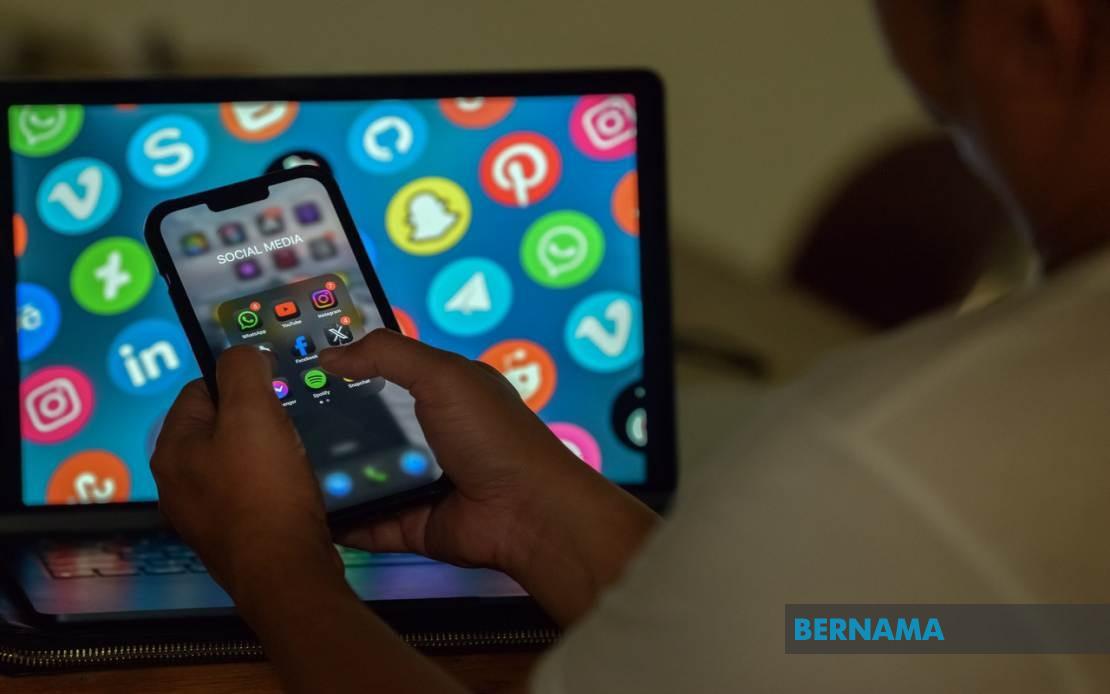
The transformation of election campaigns in Negeri Sembilan reflects a broader shift in Malaysian political strategy, with candidates from Pakatan Harapan, Barisan Nasional, Perikatan Nasional and smaller parties abandoning the traditional model of door-to-door campaigning in favour of algorithmically-driven digital platforms. As voting approaches on August 1, with early ballots cast on July 28, social media has become the undisputed epicentre of campaign activity across the state's 889,490 registered voters.
The sophistication of these digital strategies reveals how far Malaysian election management has evolved. Rather than employing a one-size-fits-all approach, political operatives have segmented their online presence to match where specific voter cohorts congregate. Facebook and YouTube predominantly attract older demographics including Baby Boomers, Generation X, and Millennials, who tend to spend considerable time on these established platforms. Meanwhile, younger voters—particularly Generation Z—congregate on TikTok, Threads, and Instagram, where fleeting, visually-driven content dominates the information landscape. This generational parsing of campaign messaging indicates a maturation in how Malaysian parties understand voter psychology and digital behaviour.
The substance of these campaigns has also fundamentally changed. Rather than relying on lengthy policy speeches or formal manifestos delivered at rallies, candidates now craft infographics distilling complex policy positions into shareable visual formats. Campaign updates flow constantly throughout the day, documenting candidates' movements, interactions with constituents, and responses to breaking political developments. This constant documentation serves multiple purposes: it maintains candidate visibility, signals accessibility and engagement, and generates organic sharing as supporters amplify campaign content through their own networks. The cumulative effect is a democratisation of campaign messaging, where supporters become de facto campaign staff amplifying official narratives.
The emergence of short-form video content represents perhaps the most significant tactical shift. TikTok Reels and YouTube Shorts have displaced lengthy policy expositions, replacing them with Point of View clips, trending audio overlays, and behind-the-scenes glimpses of campaign life. This format shift reflects a harsh reality: younger voters will not invest attention in extended political messaging. Instead, campaigns must compress their appeals into fifteen to sixty-second windows, relying on aesthetic appeal and entertainment value as much as substantive policy content. The successful campaign in 2024 is one that can seamlessly blend political messaging with entertainment conventions.
Datuk Seri Aminuddin Harun, the Pakatan Harapan candidate for Linggi and current menteri besar, exemplifies this new hybrid approach. His social media feed documents quotidian moments—dawn prayers, breakfast with residents, motorcycle tours through constituencies—that humanise political leadership and present him as embedded within community life rather than separated from it. Such content serves a crucial psychological function: it counters the perception of politicians as distant elites disconnected from ordinary life. By sharing mundane activities, candidates perform accessibility and relatability, qualities that resonate powerfully with voters fatigued by traditional political theatre.
The Paroi constituency presents another model, where candidate Ahmad Shahir Mohd Shah, known professionally as Ustaz Shahir, has deployed his religious credentials and digital presence simultaneously. The integration of religious authority with social media competence represents a particularly effective combination in Malaysian electoral contexts, where faith remains a significant voter concern. Similarly, Dr Azizul Hakim Mahdi in Rantau has weaponised his professional credentials—a medical background—by offering free health screenings for senior citizens whilst simultaneously documenting these activities across social platforms. This strategy conflates campaign activity with tangible community benefit, creating positive associations between the candidate's party affiliation and material improvements to constituents' lives.
Barisan Nasional candidates including Datuk Seri Mohamad Hasan and Datuk Seri Jalaluddin Alias have adopted comparable strategies, recognising that digital parity with opposition parties is now non-negotiable in competitive elections. The traditional advantages held by ruling coalitions—media access, financial resources, institutional support—have been substantially eroded by the democratisation of digital platforms. A well-executed TikTok campaign can reach more voters than a state-funded advertisement, particularly among younger demographics whose political allegiances remain fluid.
The participation of smaller parties and independent candidates further illustrates how social media has lowered barriers to competitive entry. Parti Pribumi Bersatu Malaysia, Parti Orang Asli Malaysia, Parti Sosialis Malaysia, Barisan Jemaah Islamiah Se-Malaysia, and independent candidates lacking the resource advantages of major coalitions can nonetheless project substantial campaign presence through disciplined social media activity. This levelling effect may theoretically expand genuine democratic competition, though the quality of online discourse and the prevalence of misinformation remain significant concerns.
From a Malaysian perspective, the Negeri Sembilan campaign offers instructive lessons about how electoral politics is evolving nationwide. The state's 889,490 voters provide a meaningful sample of broader demographic patterns, and the strategies refined here will almost certainly be replicated across future national and state elections. The implications extend beyond campaign mechanics: social media campaigning fundamentally restructures the relationship between candidates and voters, prioritising constant engagement and responsiveness over the traditional model of campaign periods followed by representation. Voters increasingly expect politicians to maintain active digital presence year-round, transforming political accountability itself.
The shift toward social media also raises questions about information quality and democratic deliberation. When campaign content is optimised for algorithmic promotion rather than substantive analysis, when entertainment value trumps policy depth, and when voter attention spans contract to fifteen-second intervals, the nature of electoral choice shifts considerably. Voters may become more mobilised yet less informed about complex policy trade-offs. The Malaysian Election Commission and civil society organisations will need to grapple with these tensions as digital-first campaigning becomes the norm rather than the exception.
Looking ahead to August 1, the Negeri Sembilan election will serve as a barometer of whether digital-native campaigning proves decisive in actual voting outcomes. Early voting on July 28 will provide preliminary indicators of turnout patterns and coalition performance. The results will illuminate whether the substantial investment in social media infrastructure translates into electoral victory, or whether traditional factors—party machinery, local relationships, bread-and-butter issues—continue to dominate voter decision-making. Regardless of outcomes, Malaysian politics has unmistakably entered a new era where digital competence represents a core requirement for electoral competitiveness.

