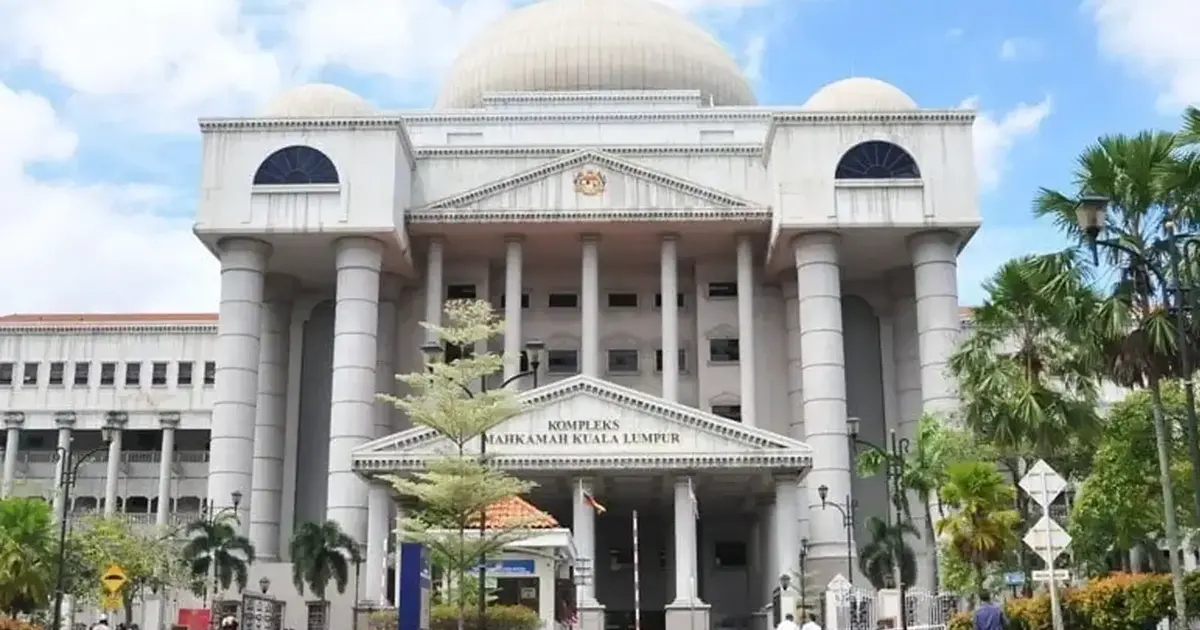
The High Court has ruled in favour of a Malaysian businessman in a significant defamation case, awarding Yeoh Ee Seong RM400,000 in damages against Sin Chew Media Corporation Bhd for a report that he contends damaged his reputation. The judgment underscores the legal consequences media organisations face when publishing allegations that lack sufficient evidentiary foundation, particularly when such claims touch on criminal conduct.
Yeoh's lawsuit centred on a newspaper article published by Sin Chew, one of Malaysia's major Chinese-language dailies, which reportedly insinuated that he had orchestrated or instigated an assault on a legal professional. The businessman argued that the publication's framing of the events, through its word choice and narrative construction, created a false and damaging impression among readers that he bore responsibility for the violent incident. Rather than presenting him as tangentially connected to events or as a person of interest, the article allegedly presented him as the guiding force behind the attack.
Defamation cases in Malaysia hinge on demonstrating that published material has harmed someone's standing in the community while also proving the defendant failed to exercise reasonable care in verification. The High Court's decision suggests that Sin Chew's reporting fell short of journalistic standards expected of a major publication, either through inadequate fact-checking, reliance on unverified sources, or permitting editorial interpretation to override factual accuracy. This distinction matters significantly in Malaysian jurisprudence, where courts balance press freedom with individual rights to reputation.
The RM400,000 award represents a substantial financial consequence for the media organisation, signalling judicial seriousness about protecting citizens from defamatory imputations. For Malaysian businesses and individuals regularly subjected to media scrutiny, the judgment offers a concrete pathway to legal recourse when coverage crosses the line from critical reporting into false accusation. The sum awarded suggests the court accepted that Yeoh's reputation suffered material damage—both in business dealings and personal standing—from the publication's allegations.
Sin Chew Media Corporation, which operates multiple Chinese-language publications across Malaysia and has significant reach within the Chinese-speaking community, will likely review its editorial protocols following this judgment. The ruling creates institutional pressure on newsrooms to implement stronger verification procedures before publishing allegations of criminal involvement or conspiracy, particularly when implicating individuals by name or clear identification. Editors must now weigh the journalistic value of publishing such material against heightened legal liability.
The case also reflects broader tensions in Malaysia's media landscape regarding the balance between public interest reporting and personal reputation protection. Malaysian courts have historically been attentive to defamation claims, recognizing that in a multi-ethnic society with distinct linguistic media ecosystems, false allegations can circulate rapidly within particular communities and cause lasting reputational harm. This judgment reinforces that principle while maintaining that legitimate public interest reporting—properly substantiated—remains protected.
For readers and civil society observers, the decision raises important questions about media accountability mechanisms. While defamation suits provide legal remedy for individuals who can afford litigation, systemic media governance through professional standards, editorial ombudspersons, or press councils remains underdeveloped in Malaysia. This case demonstrates that financial penalties may deter some inaccurate reporting, but a comprehensive approach to media quality and public trust requires complementary non-legal mechanisms.
The judgment comes amid ongoing discussions in Malaysia about media freedom and responsibility. Government authorities, civil society groups, and industry players frequently debate the boundaries of permissible coverage, particularly regarding allegations of criminal conduct or corruption. While this case involves a private dispute rather than political controversy, it establishes legal precedent that courts will protect citizens against defamatory imputations regardless of whether the underlying subject matter involves public figures or private individuals.
Yeoh's successful litigation may also encourage other Malaysian citizens or businesses who believe they have suffered reputational harm from inaccurate media reporting to pursue legal action. However, the high costs of defamation litigation, combined with the burden of proof on plaintiffs to demonstrate falsity and negligence, means that only those with substantial resources typically access this remedy. The case thus illuminates both the availability and limitations of defamation law as a tool for media accountability in the Malaysian context.

