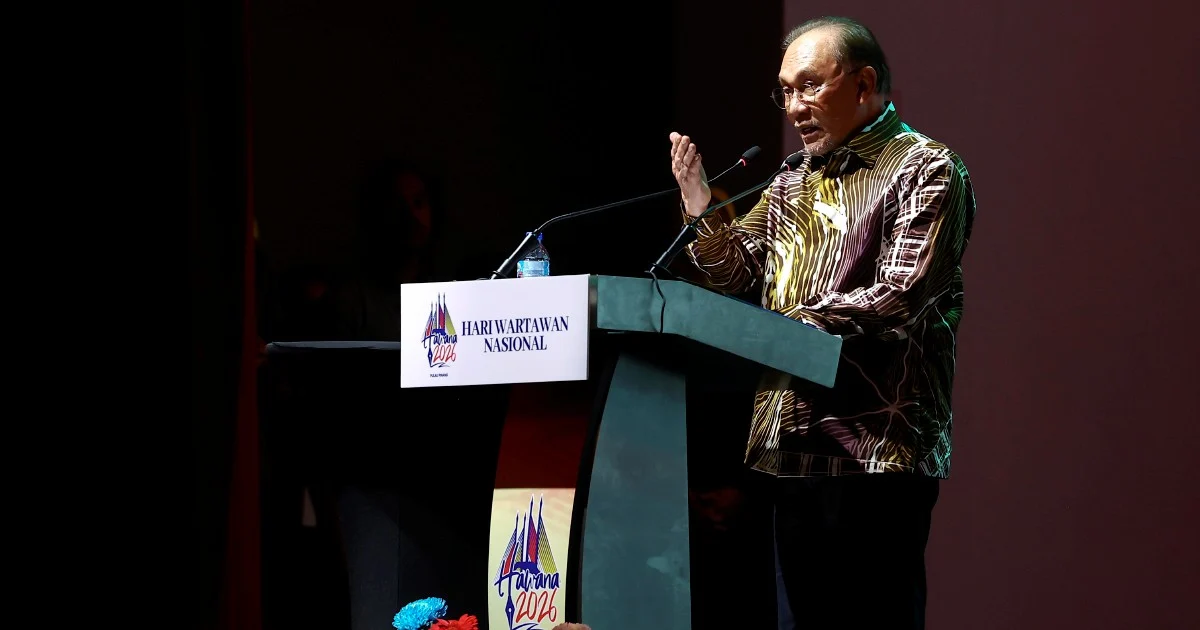
The Pakatan Harapan coalition is poised to enter the next phase of its campaign strategy for the Johor state election, with coalition chairman Datuk Seri Anwar Ibrahim scheduled to formally unveil the lineup of candidates who will contest on behalf of the opposition alliance in Bukit Gambir tomorrow. This announcement marks a critical juncture in the electoral preparations, as the coalition seeks to consolidate support across the southern state ahead of polling day.
The decision to conduct the candidate announcement in Bukit Gambir carries symbolic weight, as the constituency represents an important battleground within Johor's political landscape. The location choice signals Pakatan Harapan's commitment to competing across diverse electoral districts, ranging from urban centres to suburban constituencies that have historically demonstrated competitive voting patterns.
Candidate selection processes within multi-party coalitions often reflect delicate negotiations between member parties, with Pakatan Harapan's composition—including the Democratic Action Party, Amanah, and other allied parties—requiring careful balancing of representation and electoral viability. The announcement event will provide the first concrete indication of how these negotiations have concluded and which personalities and fresh faces the coalition intends to position as its standard-bearers throughout the state.
For Malaysian political observers, the candidate slate holds broader significance beyond Johor itself. State elections frequently serve as barometers of national political sentiment, and a coalition's choice of candidates often reflects its confidence levels in specific constituencies and its overall strategic direction. The candidates announced tomorrow will essentially constitute the coalition's wager on which faces and records voters find most persuasive.
Johor has historically maintained distinct political characteristics within Malaysia's federal system. The state's significance in the broader political equation stems from its size, population, and economic importance, combined with its role as a swing state that has shifted coalition support in previous electoral cycles. A strong showing for Pakatan Harapan would provide momentum for the coalition ahead of potential federal electoral contests.
The timing of the announcement also reflects considerations of campaign momentum. By formally introducing candidates sufficiently ahead of polling day, the coalition allows time for candidate-to-voter engagement, media coverage, and grassroots mobilization efforts. Campaign periods in Malaysian electoral history have demonstrated that early candidate announcements generally provide advantages in name recognition and campaign infrastructure development.
Anwar Ibrahim's personal role in conducting the announcement underscores the coalition's emphasis on centralized leadership and coordination. As coalition chairman, his presence at the event signals that Pakatan Harapan is treating the Johor contest as a priority engagement rather than a secondary concern. This high-profile involvement typically generates media attention and conveys confidence to coalition supporters and the general electorate.
The candidate announcement will inevitably attract scrutiny regarding inclusivity and representation. Electoral observers examine whether slates reflect demographic diversity, gender balance, experience levels, and the balance between established political figures and newcomers. Such considerations matter both for coalition cohesion and for appealing to increasingly diverse voter preferences across Malaysian constituencies.
From a regional perspective, Johor's political direction carries implications beyond state boundaries. The state's proximity to Singapore and its role as a major economic hub means that political stability and investor confidence intersect with electoral outcomes. Electoral contests that produce clear mandates and legitimate governance structures generally support regional business confidence and cross-border cooperation frameworks.
For supporters of Pakatan Harapan across Southeast Asia's broader political context, the coalition's Johor campaign represents an important test of opposition coalition viability. Political observers throughout the region monitor how Malaysian coalitions manage internal diversity and present unified electoral platforms, as these dynamics reflect broader questions about opposition politics throughout Southeast Asia.
The Bukit Gambir announcement event itself will likely feature speeches from coalition leaders beyond Anwar, allowing other parties and candidates to articulate their campaign messages and commitments to voters. Such multi-speaker formats provide platforms for different voices within the coalition to address specific voter concerns and establish distinct campaign identities within the broader coalition framework.
As Johor prepares for electoral contests, the candidate announcement marks the transition from behind-the-scenes preparation to public-facing campaign engagement. From tomorrow onwards, candidates will begin direct voter outreach, townhall discussions, and community engagement activities that characterize Malaysian electoral campaigns. The slate announced will determine which individuals carry the coalition's hopes and policy agendas into constituencies throughout the state.
%22%2F%3E%3C%2Fpattern%3E%3C%2Fdefs%3E%3Crect%20width%3D%22100%25%22%20height%3D%22100%25%22%20fill%3D%22url(%23phbnsqg)%22%2F%3E%3Crect%20width%3D%22100%25%22%20height%3D%22100%25%22%20fill%3D%22url(%23phbnsqp)%22%2F%3E%3Ctext%20x%3D%2250%25%22%20y%3D%2250%25%22%20text-anchor%3D%22middle%22%20dominant-baseline%3D%22central%22%20fill%3D%22rgba(255%2C255%2C255%2C0.95)%22%20font-family%3D%22Georgia%2C%20'Times%20New%20Roman'%2C%20serif%22%20font-weight%3D%22700%22%20font-size%3D%22320%22%20letter-spacing%3D%22-0.02em%22%3EMUDA%3C%2Ftext%3E%3C%2Fsvg%3E)
