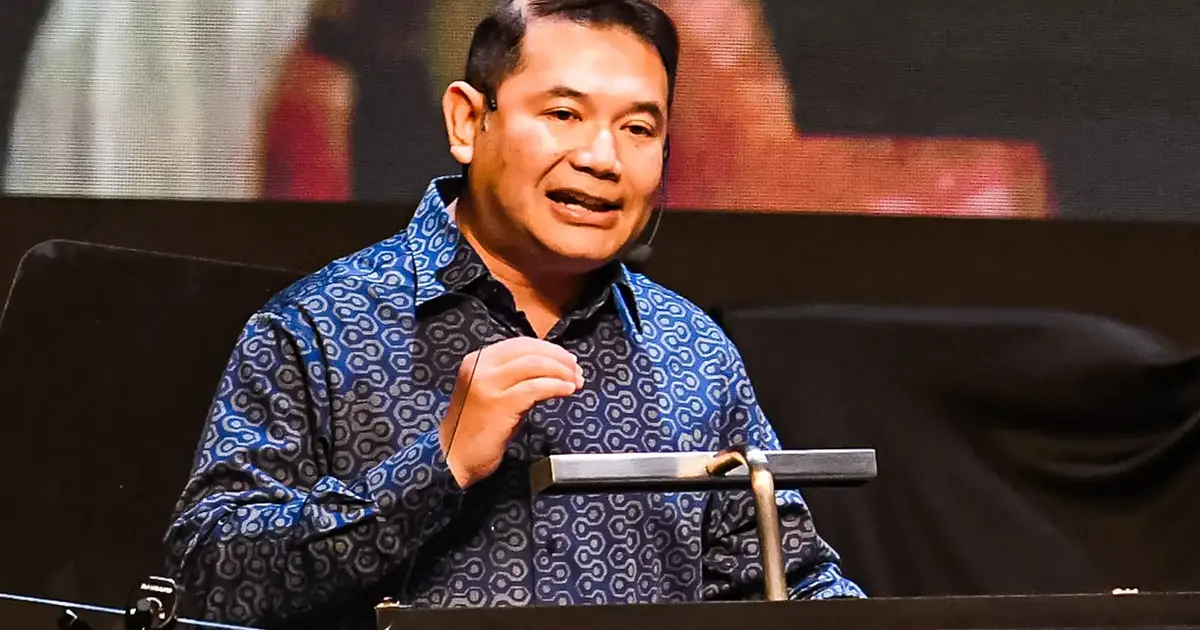
Parti Bersama Malaysia has concluded its candidate selection process for the Johor state election, with party president Rafizi Ramli confirming that 73 individuals have volunteered to represent the fledgling political outfit in the polls. The party will reveal the names of its shortlisted candidates on Friday, marking a significant milestone for the relatively new political entity as it gears up for its maiden electoral campaign. This announcement represents a crucial step in Bersama's evolution from a newly established party into an active player in Malaysian electoral politics.
The scale of volunteer participation underscores growing interest in Bersama's political platform, particularly among voters seeking alternatives to the established major coalitions. The party, which registered as a political entity in recent years, has positioned itself as a centrist force capable of building bridges across Malaysia's often-fractious political landscape. The fact that 73 candidates stepped forward despite the party's relative newness and lack of track record in elected office suggests meaningful traction among those attracted to its reformist messaging and inclusive political positioning.
For the Johor electorate, Bersama's entry represents a potential shift in voting dynamics that have traditionally orbited around Barisan Nasional dominance and Pakatan Harapan's opposition presence. The state, Malaysia's southernmost peninsula territory, has historically witnessed closely contested battles between these two major political blocs, with smaller parties playing largely peripheral roles. Bersama's decision to field candidates across a substantial portion of state assembly seats signals ambitions beyond token participation and suggests the party sees genuine electoral opportunities within Johor's diverse constituencies.
Rafizi's leadership of the candidate vetting process reflects the party's commitment to fielding individuals aligned with Bersama's ideological framework and capable of effectively representing constituents. The selection methodology, whatever criteria the party employed, presumably screened candidates for integrity, policy understanding, and community standing. Given that only a portion of 73 volunteers will make the final shortlist, the vetting process appears rigorous, designed to ensure that those ultimately fielded can credibly campaign and potentially serve in the state assembly.
The timing of the Friday announcement gives selected candidates approximately two weeks to campaign before voters head to the polls, compressing what would normally be a longer election period. This abbreviated timeline places pressure on Bersama to rapidly build name recognition and articulate clear policy positions that distinguish the party from rivals. For candidates themselves, the sprint to election day will test their organisational capacity and ability to mobilise volunteer networks and grassroots support.
Geographically, Johor represents an attractive entry point for Bersama's electoral ambitions. The state comprises 56 state assembly constituencies spread across an expansive territory, offering diverse opportunities for candidates representing urban, suburban, and rural communities. The state's demographic diversity—encompassing traditional Malay-Muslim strongholds, substantial Chinese and Indian populations, and growing middle-class urban centres—aligns with Bersama's stated intention to transcend traditional ethnic and religious political divisions. Success in Johor would validate the party's broader national strategy.
From a Malaysian political economy perspective, Bersama's emergence and electoral participation reflect broader shifts in voter sentiment. Traditional two-coalition politics has faced growing scepticism following years of political instability, leadership transitions, and governance questions that have eroded public confidence. New entrants offering fresh faces and reformist platforms have gained traction among voters fatigued by established political rivalries. Bersama's approach—eschewing toxic partisan confrontation in favour of constructive governance narratives—appears calculated to appeal to this demographic.
The Johor state election itself carries national ramifications beyond state-level governance. Results here will signal whether Bersama can translate volunteer enthusiasm into actual electoral support, providing insights into the party's viability as a force in future national elections. Strong performances would strengthen Rafizi's position as a significant political operator and validate his strategy of positioning Bersama as a non-ideological, merit-focused alternative. Conversely, disappointing results would raise questions about whether the party's centrist positioning resonates with actual voters or merely appeals to urban political observers.
For the broader Southeast Asian context, Malaysia's receptiveness to new political movements contrasts sharply with some neighbouring democracies experiencing hardening of established party systems. Bersama's ability to mobilise 73 candidates for a state election demonstrates that Malaysian voters retain genuine appetite for political experimentation and fresh alternatives. This openness to new political actors, while creating uncertainty, also represents a distinctive feature of Malaysian democracy that distinguishes it from more sclerotic political systems in the region.
The completion of Bersama's candidate selection process reflects months of groundwork involving constituency surveys, grassroots outreach, and party-building activities. That the party could attract 73 volunteers willing to subject themselves to public scrutiny and electoral risk indicates successful early-stage party development. Whether this volunteer enthusiasm translates into sustained organisational capacity and voter approval will only become clear once campaigning intensifies and Johorians render their verdicts at the ballot box.
%22%2F%3E%3C%2Fpattern%3E%3C%2Fdefs%3E%3Crect%20width%3D%22100%25%22%20height%3D%22100%25%22%20fill%3D%22url(%23ph3l4smg)%22%2F%3E%3Crect%20width%3D%22100%25%22%20height%3D%22100%25%22%20fill%3D%22url(%23ph3l4smp)%22%2F%3E%3Ctext%20x%3D%2250%25%22%20y%3D%2250%25%22%20text-anchor%3D%22middle%22%20dominant-baseline%3D%22central%22%20fill%3D%22rgba(255%2C255%2C255%2C0.95)%22%20font-family%3D%22Georgia%2C%20'Times%20New%20Roman'%2C%20serif%22%20font-weight%3D%22700%22%20font-size%3D%22194%22%20letter-spacing%3D%22-0.02em%22%3EBersatu%3C%2Ftext%3E%3C%2Fsvg%3E)
%22%2F%3E%3C%2Fpattern%3E%3C%2Fdefs%3E%3Crect%20width%3D%22100%25%22%20height%3D%22100%25%22%20fill%3D%22url(%23ph4zr2og)%22%2F%3E%3Crect%20width%3D%22100%25%22%20height%3D%22100%25%22%20fill%3D%22url(%23ph4zr2op)%22%2F%3E%3Ctext%20x%3D%2250%25%22%20y%3D%2250%25%22%20text-anchor%3D%22middle%22%20dominant-baseline%3D%22central%22%20fill%3D%22rgba(255%2C255%2C255%2C0.95)%22%20font-family%3D%22Georgia%2C%20'Times%20New%20Roman'%2C%20serif%22%20font-weight%3D%22700%22%20font-size%3D%22320%22%20letter-spacing%3D%22-0.02em%22%3EKing%3C%2Ftext%3E%3C%2Fsvg%3E)