The escalating contamination of vape products with illicit synthetic substances has provided Malaysian health authorities with what they describe as compelling evidence for pursuing a comprehensive ban on electronic cigarettes. According to data released by Health Minister Datuk Seri Dr Dzulkefly Ahmad, police seizures through April this year documented 402 separate incidents in which vape devices and liquids were found adulterated with various dangerous synthetic compounds, underscoring the severity of the problem and adding significant weight to the government's deliberations on restricting vaping altogether.
The contaminated vape products seized by the Royal Malaysia Police have tested positive for an alarming array of prohibited substances that pose serious health and safety risks. Among the detected compounds are benzodiazepine, nimetazepam, MDMA, cannabinoids, tetrahydrocannabinol, and methamphetamine—all of which are classified as illegal and dangerous, particularly for vulnerable populations including minors and young adults below the age of majority. The presence of these substances in vape preparations represents not merely a regulatory violation but a clear public health emergency, as unsuspecting users may inhale these powerful narcotics without knowledge of their contents.
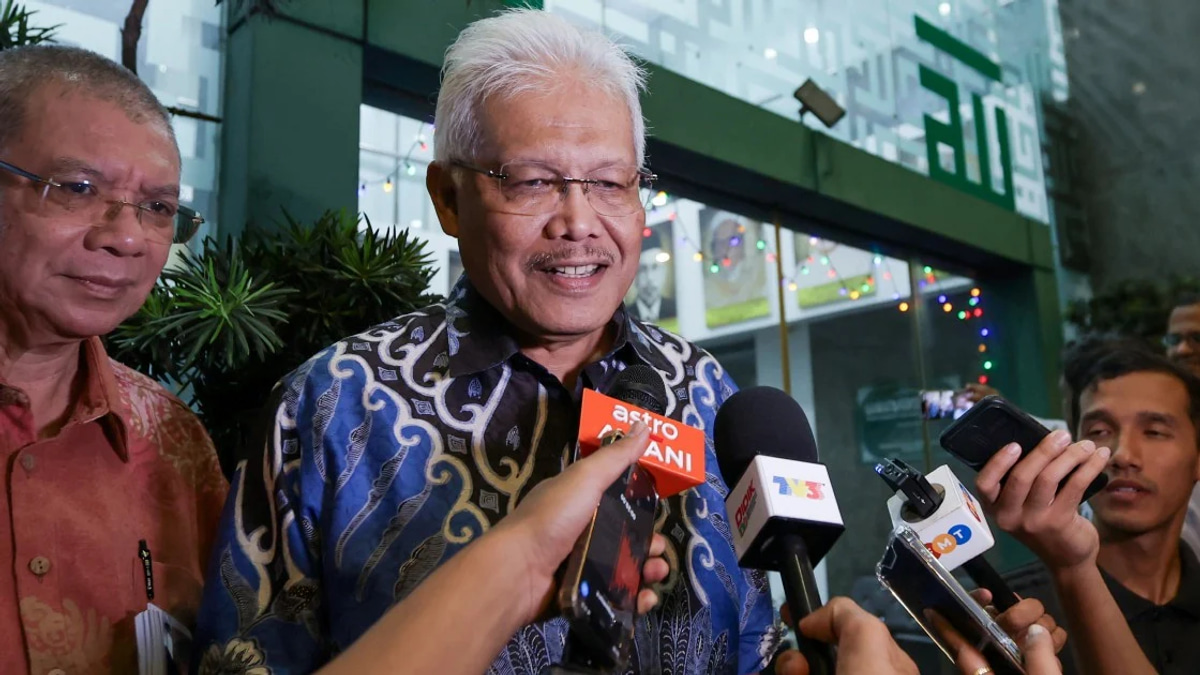
Dr Dzulkefly articulated the government's position during remarks delivered at the launch of a public health initiative in Kuala Lumpur on June 20, emphasizing that the sheer volume and nature of seized cases constitute sufficient grounds for moving toward a ban. He characterized the evidence base as offering a powerful justification for regulatory intervention, stressing that the health risks documented through enforcement operations have reached a threshold that demands decisive action. The minister's statement reflects growing urgency within cabinet circles regarding the trajectory of vape-related incidents and the associated threat to population health.
The emergence of novel synthetic drugs further complicates the enforcement landscape and reinforces the case for prohibition. Deputy Inspector-General of Police Tan Sri Ayob Khan Mydin Pitchay drew particular attention to a newly identified substance called "Piu Piu," which has been detected in electronic cigarette liquids circulating throughout Malaysia. This development signals that suppliers and manufacturers are continuously adapting their formulations to evade detection or create more potent products, suggesting that enforcement efforts focused on individual banned substances will perpetually lag behind innovation within illicit supply chains. The discovery of novel compounds underscores the inherent challenge of regulating vaping through substance-by-substance bans rather than addressing the devices themselves.
While the government's formal decision on a vape ban remains under consideration, the Ministry of Health has signaled its institutional commitment to treating the issue with appropriate seriousness. Rather than relying on the health ministry's enforcement capacity alone, Malaysian authorities have adopted a cross-agency coordination model that incorporates the Ministry of Home Affairs and the Royal Malaysia Police, reflecting recognition that combating vape-related offences requires sustained pressure across multiple government bodies. This collaborative approach suggests that any eventual ban would be supported by comprehensive implementation mechanisms and enhanced enforcement infrastructure.
Simultaneously, the government has invested substantial resources in complementary public health interventions aimed at reducing tobacco and nicotine use through cessation support rather than enforcement alone. The Cik Era AI application, launched in March as a digital companion designed to guide individuals toward quitting smoking or vaping, has recorded encouraging adoption metrics. Since its initial deployment on March 15, the platform has generated 17,412 user interactions, averaging 258 daily engagements, demonstrating meaningful demand for technology-enabled cessation support.
Recent promotional activities have substantially amplified engagement with the Cik Era initiative. The rollout of the Cik Era Rides the MRT Programme, implemented in partnership with Malaysia's Mass Rapid Transit system and strategically positioned to reach approximately 200,000 daily commuters on the MRT Putrajaya Line, catalyzed a notable surge in user interactions. Following the launch of this expanded awareness campaign through a memorandum of understanding governing the mQuit Services platform, daily interaction rates with the Cik Era application rose by 34 percent to 347 interactions daily as measured on June 15, suggesting that accessible, convenient messaging can meaningfully influence health-seeking behavior among Malaysian commuters.
The government's cessation infrastructure has expanded beyond AI applications to encompass a broader ecosystem of professional treatment options. The JomQuit platform has been developed to connect individuals seeking nicotine addiction treatment with 90 registered private service providers, substantially democratizing access to professional support outside the public health system. Since its expansion in October 2024, JomQuit has assisted 9,349 clients in pursuing smoking or vaping cessation, indicating strong latent demand for structured addiction treatment services. The integration of public AI tools, platform-based service linkages, and professional treatment options reflects a sophisticated public health approach that addresses both the behavioral and biomedical dimensions of nicotine addiction.
These cessation initiatives operate in tandem with Malaysia's newly enacted Control of Smoking Products for Public Health Act 2024, legislation designed to provide regulatory tools for reducing smoking prevalence and advancing the government's stated aspiration of creating a smoke-free generation. The comprehensive architecture of prohibition, enforcement, AI-enabled digital support, and professional treatment options represents an integrated strategy for addressing nicotine use and related substance contamination across Malaysian society. The government's framing of vaping restrictions as part of a broader initiative to reduce chronic disease burden lends additional legitimacy to prohibition, positioning it not merely as drug enforcement but as essential chronic disease prevention.
For Malaysian public health advocates and policymakers, the accumulation of evidence regarding synthetic drug contamination in vape products provides a distinct pathway toward regulation that emphasizes health protection over criminal justice concerns. The 402 documented seizure cases represent concrete evidence of market failure rather than abstract risk assessment, offering both moral and pragmatic justification for state intervention in restricting access to vaping devices. While the government continues its deliberations, the emerging consensus among health and law enforcement authorities suggests that vape prohibition has crossed from theoretical discussion to serious policy consideration.
The broader Southeast Asian context lends additional weight to Malaysia's policy trajectory. Several neighboring jurisdictions have implemented vaping restrictions or bans, creating both competitive regulatory pressure and practical evidence regarding implementation challenges and public compliance. Malaysia's integrated approach combining enforcement, cessation support, and public health messaging through accessible digital platforms positions the country to implement prohibition effectively should the government decide to proceed. The emphasis on proactive support through platforms like Cik Era AI and JomQuit suggests that any ban would be accompanied by robust alternative pathways for individuals seeking to address nicotine dependence, potentially mitigating public backlash and supporting sustained compliance.
As the government continues evaluating vape policy, the documented contamination of vape products with synthetics like methamphetamine, MDMA, and novel compounds such as Piu Piu has fundamentally shifted the policy conversation from abstract health concerns to concrete evidence of market dangers. The 402 seized cases represent real incidents involving real exposures to dangerous substances, transforming vape regulation from an aspirational health goal into an urgent public safety imperative. The convergence of enforcement evidence, technological innovation in cessation support, expanded treatment infrastructure, and comprehensive legislative frameworks suggests that Malaysia's policymakers possess the tools and institutional capacity to implement evidence-based vaping restrictions in the coming months.