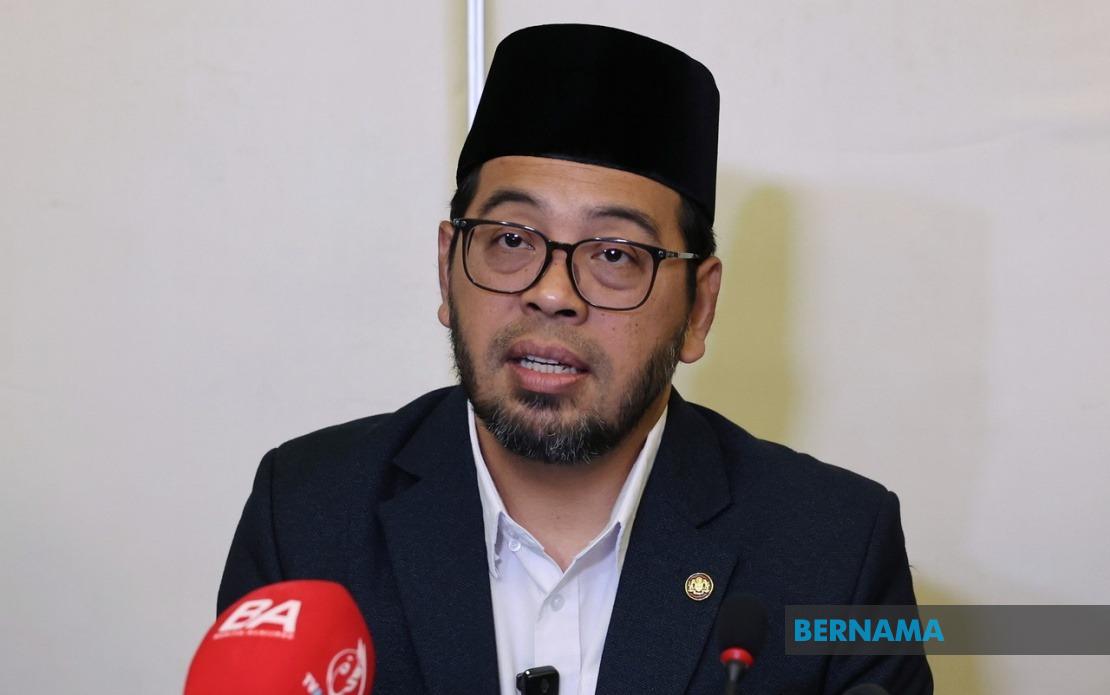
Malaysia's Religious Affairs Minister Dr Zulkifli Hasan is set to brief Parliament on the findings of a Royal Commission of Inquiry into Lembaga Tabung Haji's (TH) management and operations across a seven-year period, marking a significant moment of parliamentary scrutiny over the controversial Islamic pilgrimage fund. The special sitting of the Dewan Rakyat, beginning at 10 am tomorrow, will provide lawmakers with the opportunity to examine the comprehensive 211-page report that was made public on July 29 following Cabinet approval for full disclosure of its findings.
Zulkifli confirmed in a brief statement to journalists that he will deliver the ministerial presentation on the RCI report, which investigated TH's administration from 2014 to 2020—a period that saw the fund grapple with significant financial difficulties and governance challenges. Joining him in the parliamentary session will be Finance Minister II Datuk Seri Amir Hamzah Azizan, who will participate in concluding the parliamentary debate. This two-minister approach reflects the government's recognition that the TH situation touches both religious and financial portfolios, requiring coordinated oversight and accountability mechanisms across multiple departments.
Cabinet has already signalled its commitment to pursuing consequences for those implicated in the report's findings, with Zulkifli explicitly stating that action should be taken against individuals involved in the matters detailed by the inquiry. This announcement represents an important assurance to parliament and the public that the government intends to move beyond merely releasing findings and will translate the RCI's conclusions into concrete enforcement measures. The nature and scope of such actions remain to be detailed, but the statement indicates that responsibility will be assigned where the inquiry identified lapses or misconduct.
Th RCI itself represents a watershed moment in Malaysia's approach to institutional accountability, particularly regarding government-linked companies managing public funds. The seven-year investigation period encompasses the administration of billions of ringgit in pilgrims' savings, making the inquiry's scope and potential implications particularly significant for Muslim Malaysians who have entrusted their hajj deposits to the fund. The decision to release the full report publicly demonstrates a shift toward transparency, though questions remain about the depth and speed of implementation of any remedial measures recommended in the findings.
Parliamentary interest in the matter runs high, with Communications Minister Datuk Seri Fahmi Fadzil previously revealing that at least 40 MPs have signalled their intention to participate in tomorrow's debate. This substantial level of participation indicates the cross-party significance of the issue and the public concern surrounding TH's governance failings. The large number of potential speakers will ensure extended scrutiny and allow various political perspectives to be aired, from both government and opposition benches, providing multiple layers of accountability through parliamentary questioning and commentary.
The RCI's investigation of TH's 2014-2020 operations carries particular weight given that this period included years of financial deterioration that ultimately necessitated government intervention and restructuring measures. The fund faced substantial losses and management criticisms that eroded public confidence in its stewardship of savings designated for Islamic pilgrimage. By examining this specific timeframe, the inquiry could identify critical decision-making points, policy failures, or individual misconduct that contributed to institutional decline, offering valuable insights for preventing similar situations in other government entities.
Public release of the full 211-page report on July 29 represented a decisive move away from the secrecy that often shrouds inquiries into sensitive government matters, signalling governmental confidence in public disclosure or acknowledgment that concealment would be politically untenable. This transparency approach allows all stakeholders—members of parliament, civil society, religious organizations, and affected depositors—to review findings independently rather than relying solely on official summaries or media interpretation. However, transparency regarding findings must be matched by transparency in implementation, and parliamentary debate tomorrow will likely focus on ensuring that recommendations are not merely accepted but actively pursued.
For Malaysian Muslims, particularly the hundreds of thousands who have contributed to TH over decades, tomorrow's parliamentary sitting represents a critical juncture in determining whether institutional failures will be addressed meaningfully. The fund's significance extends beyond financial management to touch religious obligations and community trust; rebuilding confidence will require not just acknowledgment of past problems but demonstrated commitment to systemic improvement and personal accountability. The involvement of two senior ministers in parliamentary proceedings underscores government seriousness about the matter, though implementation timelines and enforcement mechanisms remain uncertain.
The special parliamentary sitting also occurs against a broader backdrop of governance scrutiny affecting Malaysian institutions, with public expectations rising for faster, more transparent investigations and genuine consequences for administrative failures. The TH case, given its scale and direct impact on citizens' financial security, has become emblematic of accountability challenges in government-linked entities. How effectively parliament and government translate the RCI's findings into policy change and disciplinary action will set precedent for future inquiries and shape public perception of institutional reform efforts across the Malaysian public sector.

