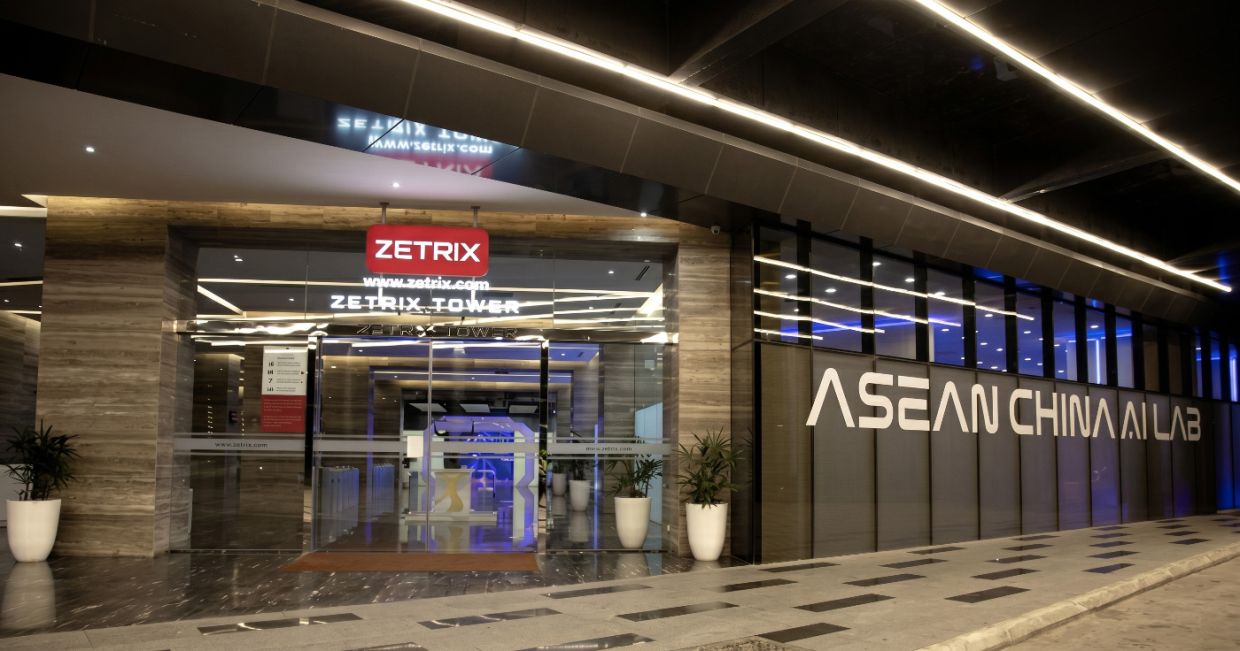
Zetrix AI Bhd has moved swiftly to disconnect itself from a corruption scandal engulfing former human resources minister Datuk Seri M. Saravanan, following a dramatic market collapse that saw the technology company's shares plunge to multi-year lows. In a formal response to Bursa Malaysia Securities Bhd, the publicly listed firm categorically rejected any involvement, association, or complicity in the three graft charges filed against Saravanan at the Sessions Court on 28 August, which centre on alleged improprieties in approving foreign worker quotas.
The denial came as Zetrix AI sought to stem what it characterized as unfounded rumours and speculation linking the company to Saravanan's legal troubles. The technology company emphasized that no factual basis existed for connecting its operations or business interests to the former minister's case, and stressed it had no awareness of any substantive link between the criminal charges and the group's commercial activities or strategic direction. This statement represents a critical attempt by management to restore investor confidence amid what appears to be a severe case of guilt-by-association trading dynamics.
The market's reaction to Saravanan's indictment proved devastating for Zetrix AI shareholders. On the trading day following the charges, the company's shares cratered, hitting the lower limit down of 30 sen, representing a loss of 29.5 sen or 50.4% of value. The ferocity of the sell-off was underscored by the volume of trading, with approximately 1.05 billion shares changing hands as investors rushed to exit positions. Such a dramatic single-day collapse typically signals either fundamental deterioration in company prospects or the rapid spread of market misinformation—in this case, the latter explanation appears most plausible given Zetrix AI's subsequent categorical denials.
In conducting its mandatory investigation into the unusual market activity, Zetrix AI engaged directly with its board of directors, principal shareholders, and other relevant stakeholders to ascertain whether any undisclosed corporate developments might account for the trading volatility. The company confirmed that no material unannounced transactions, mergers, acquisitions, strategic partnerships, or negotiations at advanced stages existed that could justify the share price movement. This comprehensive internal review effectively ruled out legitimate corporate news as an explanation for the market reaction, concentrating suspicion firmly on external rumour and speculation as the sole driver.
The graft charges against Saravanan himself raise significant questions about governance in Malaysia's immigration and foreign worker management systems. The alleged improprieties concerning foreign worker quota approvals strike at a sensitive nerve in Malaysian policy-making, as the country's manufacturing, construction, plantation, and domestic service sectors depend heavily on imported labour. Any suggestion that quota approvals were influenced by corrupt considerations rather than economic necessity or labour market assessments could trigger broader concerns about the integrity of processes managing hundreds of thousands of foreign workers across the country.
For Zetrix AI specifically, the crisis illustrates the vulnerability of technology and services companies to reputational spillover when senior government figures face legal jeopardy. Investors operating in Malaysia's equity markets must grapple with the reality that share prices can move sharply on speculation and rumour, particularly when narratives involve corruption or political controversy. The 50% single-day decline experienced by Zetrix AI represents an extreme example of how quickly market sentiment can shift against companies perceived, however tenuously, to occupy the same ecosystem as a politically compromised individual.
The timing of the share price collapse raises important questions about information flow and market efficiency within Malaysia's capital markets. The question of how Zetrix AI became so closely linked to Saravanan's legal troubles in investor minds remains somewhat opaque. Tracing the origin of such rumours—whether they emerged from activist social media accounts, rival business competitors, disgruntled market participants, or genuine confusion about corporate relationships—would prove valuable for understanding how Malaysian share prices respond to news and gossip. The absence of any substantive business connection between Zetrix AI and the former minister suggests that market participants operated on misinformation rather than documented facts.
Such incidents carry broader implications for Malaysia's stock exchange and investor protection frameworks. Bursa Malaysia's decision to trigger an unusual market activity inquiry demonstrates the exchange's commitment to investigating unexplained volatility, yet the underlying question remains whether retail investors and small shareholders suffer disproportionate losses during the period between rumour emergence and official company clarification. The window between market euphoria or panic and verified corporate information represents a critical vulnerability in market structure that regulators continue to grapple with globally.
For technology companies operating in Malaysia's regulated sectors, the Zetrix AI incident offers cautionary lessons about the importance of maintaining clear boundaries between corporate operations and government relationships. While inevitable contact occurs between private enterprises and government ministries overseeing regulation and policy, maintaining transparency about such relationships and documenting them clearly can help insulate companies from reputational damage if officials subsequently face legal difficulties. The incident also underscores the premium that Malaysian investors place on corporate governance clarity and the rapid erosion of share valuations when governance questions arise, even indirectly.
The share price recovery timeline for Zetrix AI will merit close observation in coming weeks and months. If the market accepts the company's categorical denials and official investigations reveal no improper connections, share prices may gradually recover toward pre-scandal levels. Conversely, if additional information emerges suggesting business relationships or transactions between Zetrix AI and Saravanan that were not previously disclosed, the market downturn could prove justified and potentially signal the onset of deeper problems. The company's future credibility with investors hinges on the accuracy and completeness of its current denials.

